


Why Does the Purification of High-Purity Quartz Sand Hit a Snag? A Breakdown from Impurity Distribution to Process Optimization
I. Typical Symptoms of a Jam in the High-Purity Quartz Sand Purification Process
The issues that cause the purification process of high-purity quartz sand to stall exhibit highly similar characteristics.
First, the silica content reaches a certain range and then fails to increase further. It is not that progress stops completely, but rather that every slight increase requires significant effort; even after extending acid washing time or repeatedly adjusting the flotation process, the levels fluctuate briefly before returning to their original state.
Second, aluminum is the primary obstacle. Iron is relatively easier to reduce; magnetic separation combined with acid washing can generally bring it down to a low level. Aluminum, however, is different: flotation reduces part of it, acid washing reduces another part, but the remaining 10 to 20 ppm often cannot be reduced no matter what.
Third, batch-to-batch consistency is poor. Even with the same ore batch and identical processing parameters, there are significant variations in aluminum content between different batches. Downstream customers require a stable supply, not just the occasional batch of high-quality material.
Fourth, acid leaching is costly yet yields limited results. Despite significant acid consumption and extended soaking times, the aluminum removal rate simply won\'t improve, and the pressure to treat waste liquid increases accordingly.
Behind these issues lies a single underlying problem: the purification of high-purity quartz sand is not a matter of a single process step, but rather a matter of coordination across the entire purification chain.
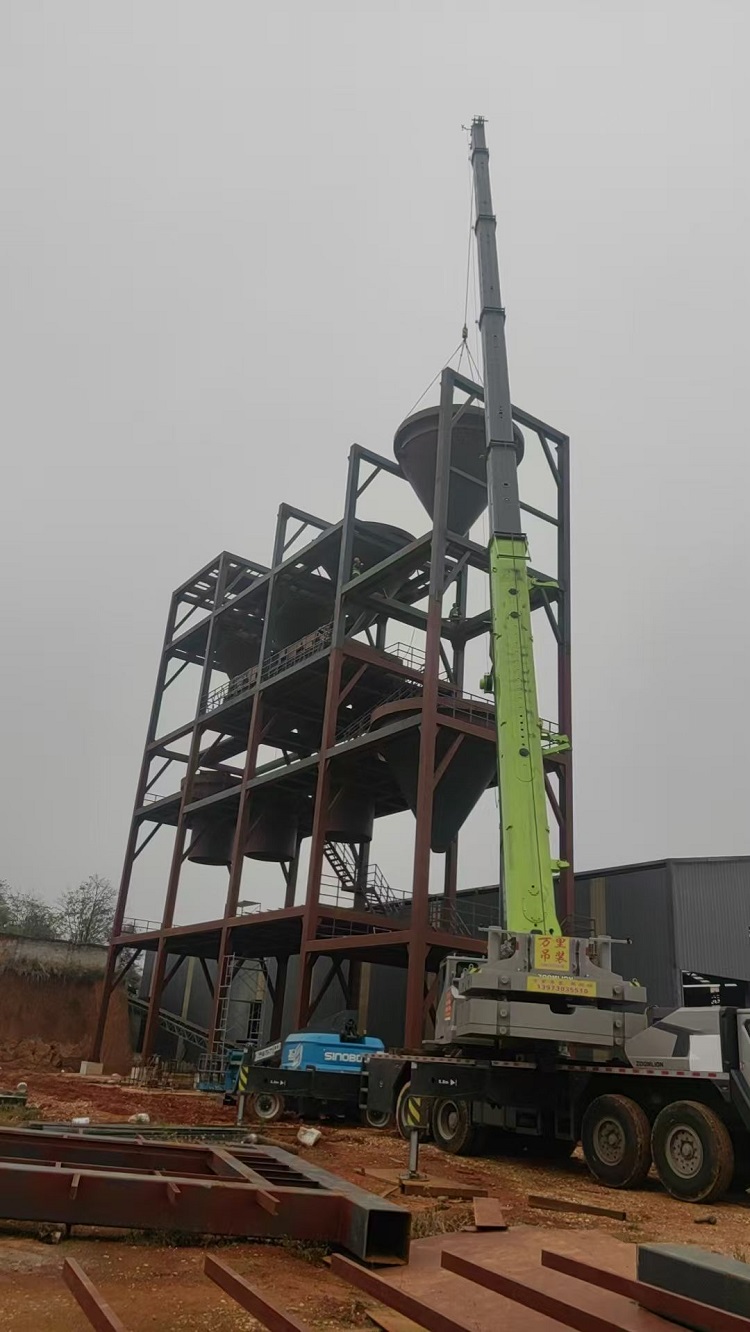
II. Three Underlying Reasons for the Difficulty in Purifying High-Purity Quartz Sand
Reason 1: The State of Impurities Has Not Been Fully Understood. The forms in which impurities exist in quartz sand vary greatly.Independent mineral particles can be treated by magnetic separation and flotation; gas-liquid inclusions and mineral inclusions require calcination followed by water quenching to be released; lattice impurities—such as aluminum, titanium, and lithium, which replace silicon through isomorphous substitution—are largely unaffected by physical beneficiation and conventional acid leaching.Many projects immediately begin adjusting flotation parameters or adding acid leaching without first conducting rock and ore identification, leaving them unaware of where the aluminum actually is. If the aluminum is present in feldspar, flotation is the key; if it is within the crystal lattice, chloride roasting is the solution.If the approach is wrong from the start, all subsequent efforts will be compromised. This assessment aligns with the fundamental principle of process design prior to mineral processing tests: first, determine the form of impurities through spectral analysis, microscopic observation, and multi-element chemical analysis; then decide on the process route to avoid repeatedly adjusting parameters in the wrong direction.
Reason 2: The critical process step of calcination followed by water quenching was either overlooked or improperly executed. In the purification of high-purity quartz sand, calcination followed by water quenching is a watershed moment.At high temperatures, the quartz crystal lattice expands; when suddenly quenched with cold water, microcracks form inside the particles, tearing open the originally sealed inclusions so that the acid solution can penetrate.Many projects either omit this step entirely or perform it with incorrect parameters: temperatures are too low, water quenching is not performed promptly, or water temperatures are too high. As a result, the microcracks are not deep or dense enough, and subsequent acid washing merely cleans the surface. Impurities trapped within the inclusions cannot be removed, so the aluminum content naturally cannot be reduced.
Reason 3: The acid etching system lacks specificity. Acid etching is not merely “soaking in acid”; it is a targeted chemical reaction. Hydrochloric acid targets metal oxides; hydrofluoric acid targets silicates and causes partial lattice corrosion; nitric acid targets redox environments.Since impurity types vary depending on the ore source, the primary and secondary ratios in the acid system must be adjusted accordingly. In many projects, acid washing formulations are simply copied from others or continued based on experience. While this may work for ordinary quartz sand, at the 4N grade, even slight variations in ratio, temperature, or duration can result in significantly different removal rates.The selection of an acid leaching system should also take into account the neutralization and reuse of spent acid, as well as the treatment of fluorine-containing exhaust gases; process and environmental protection measures must be designed in tandem.
III. Approaches to the Purification of High-Purity Quartz Sand
Step 1: Begin with an evaluation of the raw ore to determine the state of impurity occurrence. When purifying high-purity quartz sand, the first step is not to adjust the equipment, but to evaluate the raw ore. Rock and ore characterization must answer several questions: In what form does iron exist? Is aluminum present in feldspar or within the crystal lattice? What is the density of inclusions?Are gas-liquid inclusions or mineral inclusions predominant? This step determines the process route: for feldspar-associated ores, flotation is the primary focus; for ores with high lattice impurities, chlorination roasting must be considered; for ores with dense inclusions, the parameters for water quenching after roasting are critical.
Step 2: Calibration of roasting and water quenching parameters to ensure proper “exposure.” The roasting temperature must fall within the window for the quartz phase transformation, and the duration must allow heat to conduct to the center of the particles; water quenching must be rapid, and the temperature difference must be significant.Specific parameters vary by ore; it is recommended to conduct gradient experiments using a small experimental furnace to identify the optimal exposure conditions for that particular ore source. If this step is executed thoroughly, subsequent acid leaching efficiency will improve significantly; if not, even prolonged acid leaching will only yield superficial results.
Step 3: Optimize the acid leaching system and tailor the acid blend. Determine the primary and secondary acids based on the impurity characteristics of the raw ore. If iron is the dominant impurity, use hydrochloric acid and nitric acid as the base; if aluminum and alkali metals are dominant, include hydrofluoric acid, but control its concentration to prevent excessive corrosion of the quartz matrix and resulting loss of fine particles.Since acid leaching involves many variables, it is recommended to use orthogonal experiments to find the optimal balance. Calibrate temperature, time, liquid-to-solid ratio, and acid concentration individually based on the specific ore source; do not simply copy others\' formulas.
Step 4: High-temperature chlorination roasting to remove lattice impurities. If the aluminum content remains stuck at around ten ppm or higher after acid leaching, it indicates that the aluminum is trapped within the crystal lattice and cannot be reached by the acid leaching process; in this case, high-temperature chlorination roasting should be considered.At high temperatures, chlorine or hydrogen chloride gas is introduced to convert the aluminum, titanium, and lithium within the crystal lattice into volatile chlorides that can be removed.This step involves significant investment, and chlorine gas management, exhaust gas treatment, and environmental approvals must all be properly addressed; however, for crucible sand and semiconductor-grade sand, this step is unavoidable.
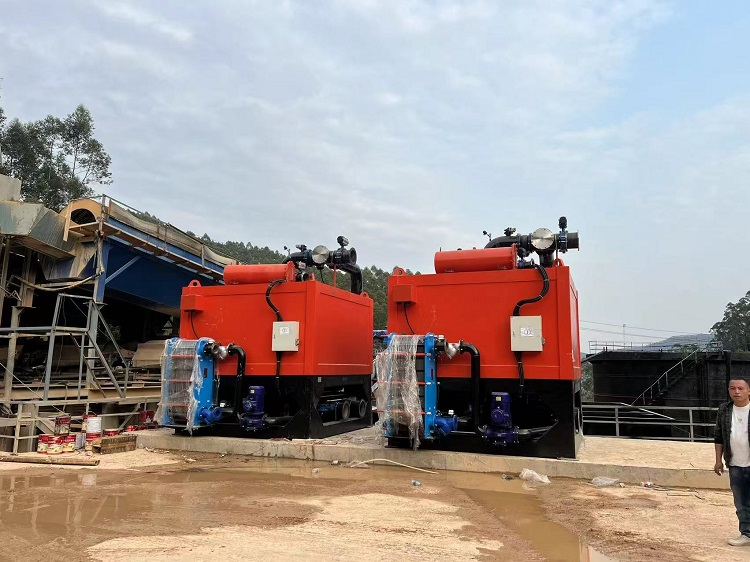
IV. How to Implement the High-Purity Quartz Sand Purification Plan
To implement the high-purity quartz sand purification plan, we recommend proceeding in five phases, each with distinct objectives; skipping steps is not advisable.
Diagnostic Phase: Analyze the natural occurrence of the raw ore, review existing process data, and identify the root causes of issues. Experimental Phase: Conduct experiments on calcination and water quenching conditions, as well as orthogonal experiments on acid washing, to identify optimal parameter combinations. Modification Phase: Adjust or add equipment, calibrate parameters, and ensure that both hardware and parameters are in place.Trial Run Phase: Continuous operation, verification of batch-to-batch consistency, and ensuring indicators consistently meet standards. Consolidation Phase: Development of operating procedures, team training, and transition to long-term, stable operation.
Particularly during the diagnostic phase, many projects rush to install equipment and adjust parameters, which actually leads them down the wrong path.To determine whether implementation has been fully achieved, look for the following indicators: Is there noticeable steam when the calcined material enters the water? Are the temperature and concentration of the acid washing tank recorded every shift? Are impurity data from batch samples continuously tracked? Only when these are in place can the high-purity quartz sand purification plan be considered truly implemented.
V. How to Evaluate the Effectiveness of High-Purity Quartz Sand Purification
The effectiveness of high-purity quartz sand purification cannot be judged by a single lab report alone; it must be evaluated based on stability over a period of time.
Typical conditions before improvement: Silicon dioxide (SiO₂) content fluctuated within a low range; total impurities were in the tens of ppm; aluminum was generally in the teens to twenties of ppm; and there was significant batch-to-batch variation.Typical conditions after improvement: Silicon dioxide content moves toward the higher range; total impurities are reduced to the 20 ppm range; aluminum approaches the 10 ppm range; and batch-to-batch variations are significantly reduced.
Specific results depend on the properties of the ore; differences between ore sources are significant, so it is not appropriate to use uniform numerical values for evaluation. However, the direction is clear: calcination followed by water quenching opens pathways, composite acid leaching removes accessible impurities, and high-temperature chlorination addresses lattice impurities.Only when these three steps are properly aligned can the stable production of high-purity quartz sand be achieved. The final specifications are ultimately determined by the natural distribution of impurities in the ore; what the process can achieve is to push the quality to the highest attainable level under the conditions of that specific ore.
VI. Common Questions Regarding the Purification of High-Purity Quartz Sand
What level of purity is considered acceptable for high-purity quartz sand? It depends on the downstream application.The requirements differ for inner-layer sand in photovoltaic crucibles and semiconductor-grade quartz sand. Generally speaking, achieving higher silicon dioxide purity and reducing total impurities to the 20 ppm range is the basic threshold for 4N8 grade.
Can acid washing replace chloride roasting? No. Acid washing removes impurities accessible on the surface and in fissures, while chloride roasting removes lattice impurities; the two processes are complementary and cannot be substituted for one another.
How is the water-quenching temperature for calcination determined? There is no single answer; experimental testing under various conditions is required. The phase transition temperatures, inclusion types, and particle size distributions vary among different quartz ores.
How long should beneficiation tests take? Routine tests take about four to six weeks, and a complete report is typically ready within one to one and a half months. When ore properties are complex or higher purity levels are required, expanded testing or process validation is necessary, which extends the timeline accordingly. This is a worthwhile investment before finalizing the purification route for high-purity quartz sand.
How should one select equipment for high-purity quartz sand purification? First, determine the process; then select the equipment. For calcining furnaces, consider temperature uniformity and atmosphere control; for acid washing tanks, consider corrosion resistance and temperature control accuracy; and for chlorination calcination units, consider gas tightness and exhaust gas treatment capacity.Equipment must be manufactured according to process drawings, and the process and mechanical systems must be coordinated to avoid discrepancies between the design and the equipment.
Are environmental requirements for high-purity quartz sand purification stringent? They are becoming increasingly so. Acid washing waste liquid, chlorination exhaust gases, and dust are all key regulatory focuses. For new projects, obtaining environmental approval is a prerequisite.
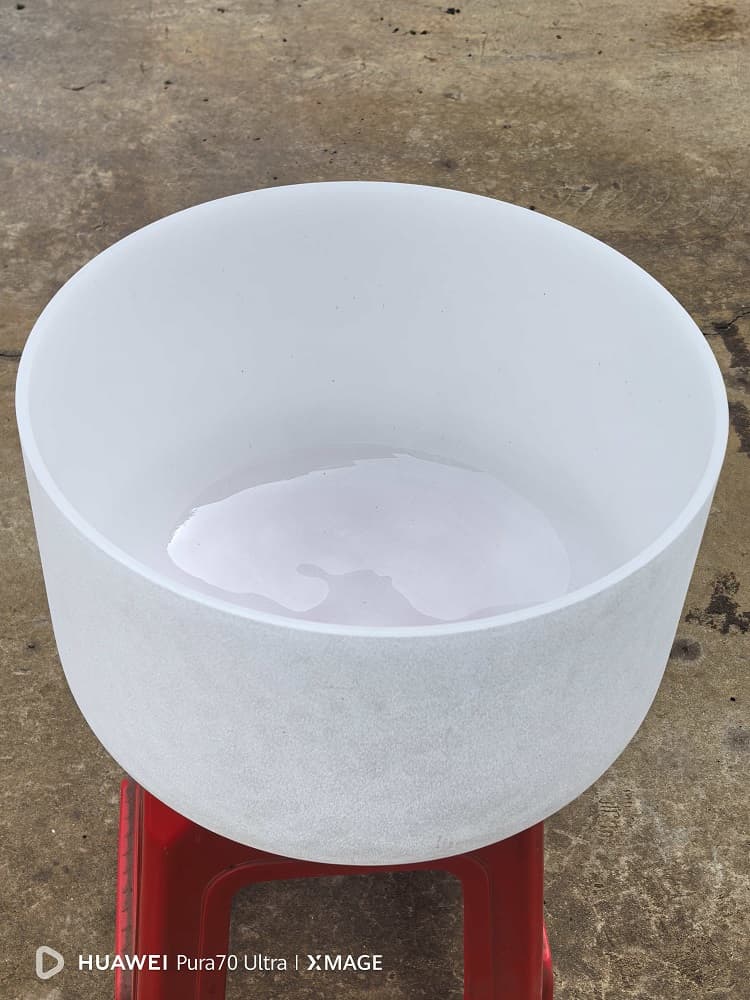
VII. Recommendations for Equipment Selection and Acceptance in High-Purity Quartz Sand Purification
When selecting equipment, do not evaluate calcining furnaces based solely on maximum temperature; instead, consider temperature uniformity and atmosphere controllability. For acid washing tanks, do not focus solely on corrosion resistance; instead, evaluate temperature control accuracy and agitation effectiveness. For chlorination and calcination units, do not judge them solely by production capacity; instead, assess gas tightness and the supporting exhaust gas treatment system.
For acceptance testing, do not rely solely on a single test report; instead, take continuous samples to assess batch-to-batch consistency. When reviewing impurity data, consider total impurities rather than focusing solely on iron and aluminum, as alkali metals, titanium, and lithium also impact downstream applications.
VIII. Key Environmental and Compliance Considerations for the Purification of High-Purity Quartz Sand
The purification of high-purity quartz sand involves the use of acids and alkalis as well as high-temperature chlorination, making environmental compliance a prerequisite. Acid washing waste liquid must undergo neutralization treatment and be reused; it must not be discharged directly. Chlorination exhaust gases must be treated with alkali spray scrubbing and activated carbon adsorption; dust must be collected and treated.For new projects, without environmental approval, the facility cannot be operated even if the equipment is installed. This is not an option—it is a mandatory requirement. Incorporating environmental design early on is far less costly than making retroactive corrections. Local approval procedures must be advanced in parallel during the early stages of the project to avoid project delays due to procedural issues after equipment arrives on-site.
IX. Common Misconceptions About High-Purity Quartz Sand Purification
Misconception 1: Treating acid washing as a panacea. Acid washing can only remove impurities that it comes into direct contact with. Impurities within inclusions, as well as aluminum, titanium, and lithium within the crystal lattice, are beyond the reach of the acid solution. Simply increasing the acid dosage or extending the processing time will only yield results up to a certain point; beyond that, progress stalls, while it also increases silicon loss and the burden of waste liquid treatment.
Misconception 2: Blindly Copying Others\' Formulations. The distribution of impurities varies by ore source, so the primary and secondary ratios in the acid system must be adjusted accordingly. Even if another company\'s formulation works for their ore, switching to a different source might reveal that aluminum is bound within feldspar, making flotation the key process. Formulations can provide guidance, but parameters should not be copied verbatim.
Misconception 3: Purchasing equipment before finalizing the process. If the process route isn\'t determined, the purchased equipment may not be compatible. The temperature uniformity of the roasting furnace, the temperature control accuracy of the acid leaching tank, and the airtightness of the chlorination unit must all be selected based on process requirements; otherwise, rework is likely.
Misconception 4: Relying solely on a single test report. Batch consistency is more important than individual test results. Downstream customers require long-term, stable supply—not just the occasional batch of high-quality material. Sampling must be continuous, data must be tracked, and fluctuations must be analyzed.
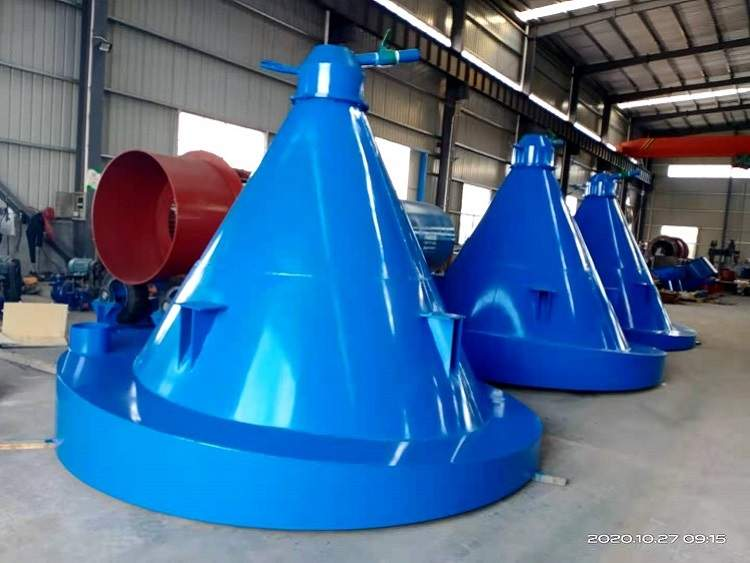
X. How to Develop a Viable Process Route for Purifying High-Purity Quartz Sand
There is no single set of universal parameters that can solve all problems in the purification of high-purity quartz sand. Since the distribution of impurities varies by ore source, the process route must be adjusted accordingly. A viable approach is to begin by evaluating the raw ore to map out the purification process route for high-purity quartz sand, ensuring that the parameters for each stage—including water quenching after roasting,acid leaching system, and chlorination roasting—and use laboratory testing to guide process design, rely on core equipment to ensure production line coordination, and then use commissioning and operational support to guarantee stability after production begins.
If a project is currently stalled at the high-purity quartz sand purification stage, we recommend taking three steps first: First, clarify the occurrence state of the raw ore; second, inspect the water-quenching stage of the roasting process to determine if there are sufficient microcracks;third, if the aluminum content simply won\'t go down, evaluate the necessity of the chlorination roasting step. Purifying high-purity quartz sand is not a matter of luck; it requires precisely matching the physicochemical conditions at every step. Only by defining the process route accurately can the path to purifying high-purity quartz sand be steady and reliable.