


A Five-Stage Process Involving Crushing, Grinding, Magnetic Separation, Flotation, and Dewatering, Combined with Proprietary Chemicals for Impurity Removal and Whiteness Enhancement
The core of a turnkey quartz sand flotation and purification production line lies not in individual pieces of equipment, but in the process integration of the five stages: crushing, grinding, magnetic separation, flotation, and dewatering. The flotation reagent regimen determines the upper limit of purification, but the reagent scheme must be determined through testing specific to the ore in question; there is no universal formula.The value of a turnkey solution lies in unified accountability, with a single entity taking full responsibility throughout the entire process—from process design to commissioning and achieving target standards.These three points serve as the starting point for determining whether a quartz sand flotation and purification production line can stably produce qualified concentrate, and they also represent the most fundamental difference between a turnkey quartz sand flotation and purification project and a standard equipment assembly line.
I. Why Is Quartz Sand Flotation and Purification Gaining Increasing Attention?
Purity requirements for quartz sand used in photovoltaic glass, electronic glass, and high-end glass panels have been steadily tightening. Even a slight increase in iron content reduces the light transmittance of the glass; if mica and feldspar are not thoroughly removed, the whiteness of the product becomes unstable.
While demand-side standards are rising, the supply side faces a harsh reality: high-quality ore deposits are becoming increasingly scarce.At many quartz sand deposits, the iron content in the ore and the distribution of impurities make it impossible to produce qualified products through simple washing and magnetic separation alone. As a result, flotation purification has evolved from an “optional process” to a “necessary process,” and the procurement of quartz sand flotation and purification production lines has shifted from purchasing individual machines to turnkey line delivery.
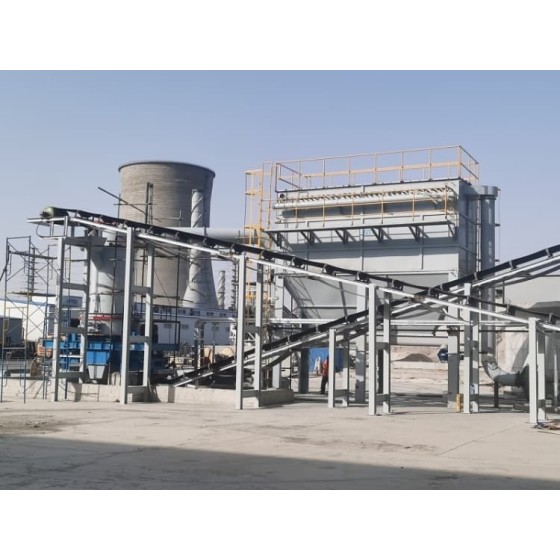
A complete turnkey quartz sand flotation and purification production line covers five process stages: crushing, grinding, magnetic separation, flotation, and dewatering.Each stage plays a specific role; if any single link in the process fails, the final concentrate specifications cannot be guaranteed. This is why turnkey quartz sand flotation and purification production lines emphasize the coordination of the entire process rather than simply stacking individual pieces of equipment.
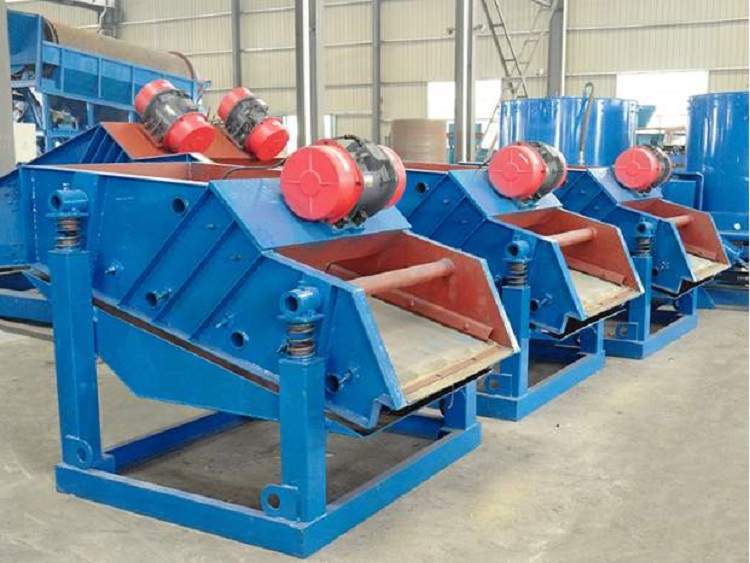
II. Crushing and Grinding: Achieving Adequate Liberation
The crushing stage has two objectives: to reduce the ore to a feed size acceptable for the grinding mill, while minimizing the introduction of ferrous impurities. Due to quartz\'s high hardness, wear parts from jaw and cone crushers can introduce mechanical iron during the crushing process.Installing a magnetic separator after the fine crushing stage to remove mechanical iron first is far more efficient than leaving it for magnetic separation later in the process.
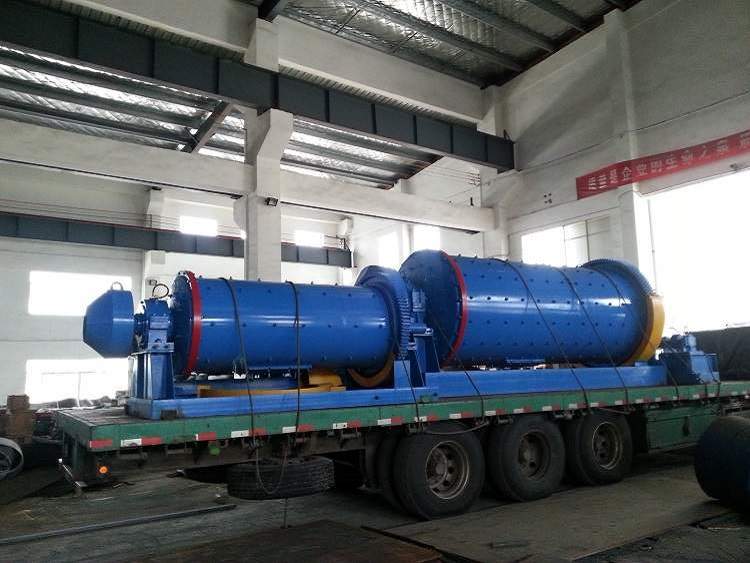
Grinding is the key factor determining the effectiveness of subsequent separation. If the grind is too coarse, impurity minerals and quartz will not be individually liberated, preventing flotation reagents from contacting the surfaces of the impurities; if the grind is too fine, severe slagging occurs, flotation foam becomes unstable, and concentrate is prone to tailing loss.
Rod mills are commonly used for grinding quartz sand, as they produce a uniform particle size with minimal overgrinding.The grinding fineness is determined based on the grain size distribution of the ore; classification equipment is used to ensure that only the qualified grain size enters the next stage, while unqualified material is returned for regrinding. The effectiveness of this closed-circuit process directly affects the stability of the flotation feed and, in turn, the final purification efficiency of the quartz sand flotation production line.
III. Magnetic Separation: First, Remove What Can Be Physically Removed
Placing magnetic separation before flotation follows a clear logic: impurities that can be removed physically at low cost should not be left for flotation to handle. Flotation reagents incur costs, and tailings water adds to environmental pressure.
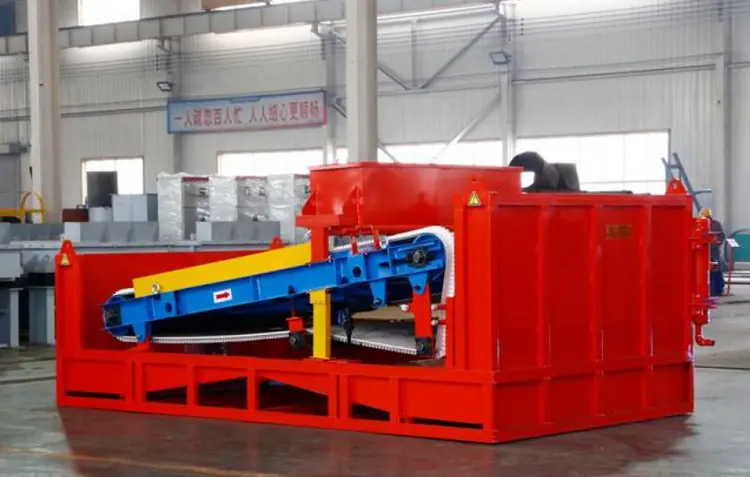
Magnetic separation is typically divided into two stages. The first stage uses a medium magnetic field strength to remove mechanical iron and strongly magnetic minerals introduced during crushing and grinding. The second stage uses a high-gradient magnetic separator to process weakly magnetic impurities, such as hematite, limonite, and some biotite.
The key to the magnetic separation stage is selecting the appropriate magnetic field strength. If the field strength is too low, weakly magnetic impurities cannot be removed; if it is too high, quartz itself may be carried into the tailings, affecting recovery rates.The specific magnetic field strength must be determined based on the ore\'s magnetic analysis, as there can be significant variations between different ore deposits. The proper configuration of the magnetic separation stage directly determines the feed load and reagent consumption for the subsequent quartz sand flotation and purification process.
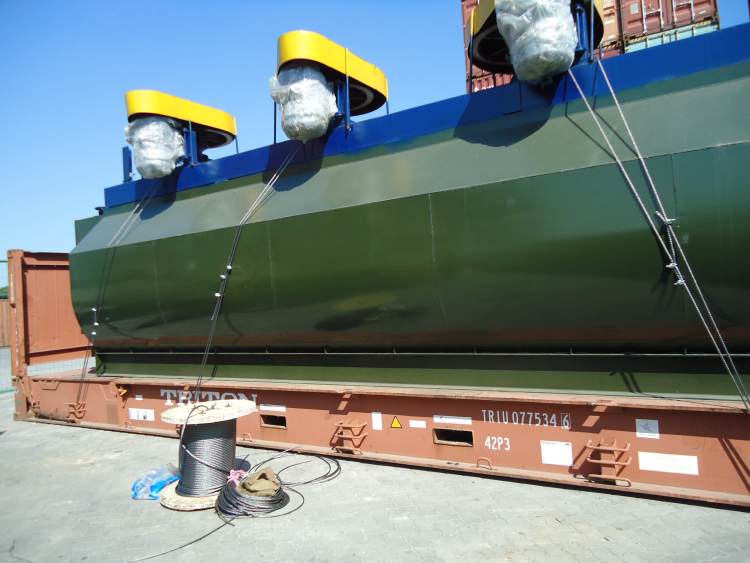
IV. Flotation: The Technical Core of the Entire Quartz Sand Flotation and Purification Production Line
Quartz sand flotation follows a reverse flotation logic—quartz itself does not float, so the impurity minerals must be floated away. This logic determines the basic direction of the reagent regimen.
In practice, the process is typically carried out in two steps. The first step involves floating mica using cationic collectors under acidic conditions. Within the acidic pH range, the surface charge characteristics of mica change, allowing cationic collectors to selectively adsorb it. In the second step, the pH is adjusted, an activator is added to activate the feldspar, and a mixed collector is then used to float the feldspar.
One point must be emphasized here: there is no universal reagent formulation. Since the types of mica and feldspar in the ore, their embedding patterns, and their association vary, the type of collector, the dosage of inhibitor, and the pH adjustment point must all be adjusted accordingly. Laboratory flotation testing is the only reliable method for determining the reagent regime. Simply adopting someone else\'s formulation will most likely result in performance metrics falling short of expectations.The term “proprietary reagents for impurity removal and whitening” refers to formulations and dosing regimens customized to the specific properties of the ore—not reagents that are unavailable on the market. The reagents themselves are standard flotation chemicals; the key lies in the precise ratios, dosing sequence, and fixed dosing points.
The structure of the flotation process must also be determined based on the ore characteristics. For ores with low impurity content, a single roughing stage followed by a single scavenging stage may suffice; for ores with multiple impurities and fine embedding, multi-stage enrichment is required. The number of flotation cells and the aeration rate must be matched to the slurry residence time, and the dosing system must be capable of stably controlling the amount of reagents added.The technical sophistication of a turnkey quartz sand flotation and purification production line is largely reflected in the flotation stage\'s chemical scheme and process configuration.
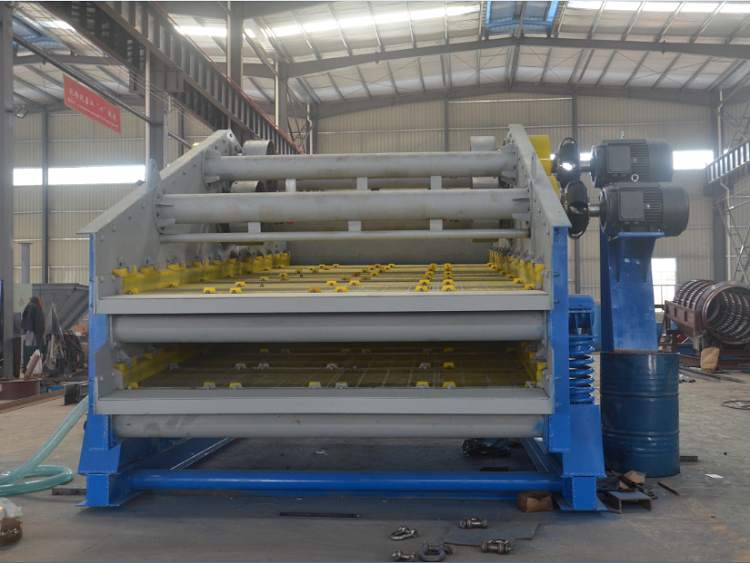
V. Dewatering: This Step Determines Whether the Product Is Marketable
The flotation concentrate is a slurry with high moisture content. If dewatering is not done properly, transportation costs will rise, and energy consumption for downstream drying will also increase.
Conventional dewatering configurations include a dewatering screen combined with a centrifugal dewatering machine, or the use of a filter press. The moisture content of the dewatered quartz sand must be controlled within a reasonable range before it enters the drying system. The dewatering stage also serves another function that is often overlooked: the reuse of recirculated water.The clear water generated from the dewatering of flotation tailings and concentrates can be treated and reused in the grinding and flotation processes. However, residual reagents and metal ions in the recycled water can affect flotation performance once they accumulate to a certain level, so the proportion of recycled water must be carefully controlled.If the recycled water ratio is not properly controlled, the performance indicators of the quartz sand flotation and purification production line will fluctuate, regardless of how meticulously the preceding flotation stage is executed.
VI. Process Differences in Quartz Sand Flotation and Purification Production Lines by Industry Scenario
The specification requirements for quartz sand vary significantly across different downstream industries, leading to corresponding differences in process routes and reagent regimens. The following breakdown by industry scenario facilitates comparison with your own project.
1. Engineered Quartz Slab Industry: Maintaining Whiteness, Removing Black Spots, and Controlling Grain Shape
The core requirements for slab-grade sand are stable whiteness, minimal black spots, and a reasonable particle size distribution. Black spot minerals such as tourmaline and hornblende have densities and weak magnetic properties similar to quartz, so magnetic separation alone often fails to remove them completely.The typical process involves scrubbing and magnetic separation as a preliminary step, followed by flotation to selectively remove black spot minerals, combined with precise classification to control the particle size distribution. The flotation reagent regimen for slab sand emphasizes the selectivity of collectors toward black spot minerals, while ensuring that the inhibitor effectively suppresses quartz to prevent loss of concentrate.
2. Photovoltaic Glass and Ultra-Clear Glass Industries: A Relentless Pursuit of Low Iron Content While Balancing Environmental Protection
Requirements for iron content in photovoltaic glass sand have become significantly stricter, typically requiring a combination of flotation and high-gradient magnetic separation. In some production areas, environmental regulations strictly control acid leaching discharges, making flotation a viable alternative to replace or reduce acid leaching. This approach requires the flotation stage to achieve stable iron mineral removal efficiency, and the reagent regime must be adaptable to variations in the iron content and form of the raw ore.The ultimate achievable iron content depends on the iron content of the raw ore, the form in which iron is present, and the structure of the flotation process; there are significant variations among different ore deposits. Laboratory tests can provide a predictable range, but it is not advisable to discuss absolute figures without considering the specific ore conditions.
3. Electronic Display and Electronics-Grade High-Purity Sand Industries: Extreme Impurity Removal and Dual Particle Size Control
Quartz powder used in TFT-LCD substrate glass and electronic-grade high-purity quartz sand have even stricter requirements for iron content and particle size distribution.The flotation process may require multiple stages of enrichment, a more precise reagent regimen, and subsequent steps such as calcination, acid leaching, or higher-level purification methods. For such projects, it is essential to control the grinding fineness and classification accuracy at the front end of the quartz sand flotation and purification production line; otherwise, the subsequent purification stages will be overburdened.
4. General Glass and Foundry Industries: “Good Enough” Is Sufficient—No Need for Over-Engineering
Ordinary glass sand has a relatively high tolerance for iron content; magnetic separation combined with washing is often sufficient. Foundry sand places greater emphasis on clay content, particle shape, and the stability of silicon content; the key is to prioritize multiple crushing stages over grinding to preserve particle shape, and to use washing to remove clay.In these scenarios, a full-scale flotation purification system is not necessary. Before deciding whether to install a flotation line, it is recommended to first conduct an ore property analysis and laboratory beneficiation tests, using data to determine the process route rather than relying solely on experience.
5. Tailings and Solid Waste Resource Recovery Scenarios: Diagnose First, Then Determine the Process Line
Raw materials such as quartz tailings, metal mine tailings, and silicon-containing solid waste exhibit significant fluctuations in properties and contain complex mixtures of impurities. Before implementing a quartz sand flotation purification production line for such projects, it is essential to first conduct a diagnostic assessment of the tailings to determine the distribution of valuable components and impurities, and then decide on the appropriate combination of magnetic separation, flotation, and acid leaching.For projects with highly variable feed materials, the reagent regimen must allow for adjustment, and the flotation process structure must be correspondingly flexible.
VII. The Difference Between Turnkey Production Lines and Assembling Lines with Self-Purchased Equipment
Many project owners run the numbers: Is it cheaper to purchase equipment and assemble a production line themselves rather than opting for a turnkey solution?
Looking solely at equipment quotes, it may indeed seem cheaper. However, several hidden costs are often overlooked.
Process integration costs. The particle size of the crushed feed must match the mill\'s feed rate; the mill\'s processing capacity must match the magnetic separator\'s throughput; and the number of flotation cells must match the slurry flow rate. If any of these do not match, the entire line must operate at reduced capacity. When assembling a line yourself, equipment manufacturers are each responsible for their own segment, and no one takes full responsibility for integration issues.
Cost of the reagent formulation. Flotation reagents aren\'t ready to use right out of the box. Testing is required based on the ore to determine the formulation and dosage. A turnkey provider offers a reagent formulation; if you purchase the equipment yourself, you\'ll have to handle this on your own.
Costs of commissioning and achieving compliance. Simply installing the equipment does not guarantee the production of compliant products. Commissioning with actual feed, stabilizing performance indicators, and making adjustments when ore properties fluctuate—all of these require experienced personnel on-site. A prolonged commissioning period results in lost production.
The essence of a turnkey solution is to make these hidden costs explicit, with a single entity taking full responsibility for the final performance metrics. This is also the most fundamental difference between a turnkey production line for quartz sand flotation and purification and standard equipment procurement.The value of a turnkey project for quartz sand flotation and purification lies not in the length of the equipment list, but in the fact that process design, reagent regimens, and commissioning to meet standards are all integrated and managed by a single entity.
VIII. Common Types of Flotation Reagents for Quartz Sand and the Logic Behind Customizing Proprietary Reagents
Flotation reagents are divided into several major categories, each serving a distinct function.
Collectors make the surface of the target mineral hydrophobic, allowing it to float with the foam.Cationic collectors, such as muscovite, are commonly used in quartz sand flotation, while mixed cationic-anionic collectors are used to float feldspar. Inhibitors are used to suppress quartz and prevent it from being carried away with the froth. Activators are used to alter the surface properties of feldspar, allowing the collector to adsorb onto it. Dispersants prevent the agglomeration of mineral slime, which would otherwise affect separation selectivity.
There is no one-size-fits-all answer for the selection and proportioning of reagents. Even for the same type of reagent, different dosing sequences and dosing points can result in significantly different outcomes. During the commissioning phase, these parameters must be finalized one by one to establish a stable regimen tailored to the specific ore.The so-called “proprietary reagents” for impurity removal and whitening are based on the custom formulation and dosing regimen tailored to specific ores, rather than the scarcity of the reagent categories themselves. Whether a flotation reagent scheme for quartz sand is mature depends on whether it has been validated through laboratory testing, finalized during commissioning with actual feed, and can be fine-tuned to accommodate fluctuations in the raw ore.
IX. Flotation Tailings Water Treatment and Environmental Compliance
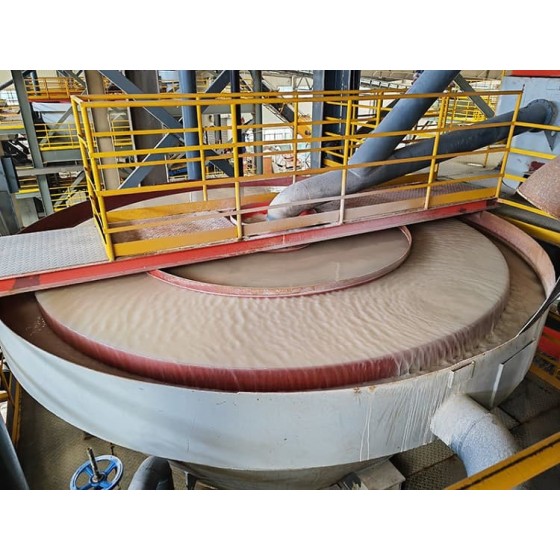
Flotation tailings water is a critical aspect that must be addressed in quartz sand flotation and purification production lines. Tailings are typically fed into a thickener, where flocculants are added to accelerate settling; the supernatant is recycled for production, while the underflow is sent to a filter press to form filter cakes for off-site disposal or comprehensive utilization.
One point to note regarding the reuse of recirculated water is that residual collectors and metal ions can accumulate in the recirculated water; once these reach a certain level, they will adversely affect flotation performance. The recirculation ratio must be controlled, and fresh water should be added for dilution when necessary.
In terms of environmental compliance, the selection of flotation reagents must take into account their biodegradability and the difficulty of treating tailings water. Poor reagent selection can significantly increase the cost of tailings water treatment, a factor that must be factored into the budget before the line goes online. The environmental costs of a quartz sand flotation and purification production line often lie not in the flotation machines themselves, but in the tailings water and recirculated water systems.
X. Before Selecting a Model, Complete These Steps First
If you are considering implementing a quartz sand flotation and purification line, we recommend proceeding in the following order:
- Collect representative ore samples and conduct chemical and mineralogical analyses to determine the content and distribution of iron, mica, and feldspar.
- Conduct laboratory flotation tests on the ore samples to determine the general process flow and reagent requirements.
- Based on the test results, develop a process design to determine the specifications of equipment for each process stage and the interface parameters.
- Use the process plan as the basis for discussing equipment configuration, rather than purchasing equipment first and then trying to figure out the process.
A turnkey quartz sand flotation and purification production line is not merely a collection of equipment items; it is a process logic derived from the properties of the ore. Ore data is the starting point, testing is the basis, and achieving compliance through commissioning is the goal.The ultimate performance of a turnkey quartz sand flotation and purification production line depends on the synergy between the process plan and on-site execution; both are indispensable.
XI. Frequently Asked Questions
Q: What is the achievable iron content in quartz sand after flotation and purification?
This depends on the iron content of the raw ore, the form in which the iron exists, and the structure of the flotation process. Results vary significantly across different ore deposits, so there is no single answer. Laboratory tests can provide an expected range, but it is not advisable to commit to absolute figures without considering the specific ore conditions.
Q: Are your reagents proprietary?
The reagent formulation is developed specifically for each ore. By “exclusive,” we mean that the formulation and dosing regimen are customized based on the ore\'s properties; these are not reagents that cannot be purchased on the open market. The reagents themselves are standard flotation reagents; the key lies in the precise ratio, dosing sequence, and optimization of dosing points.Our ability to customize flotation reagents for quartz sand is demonstrated by our capacity to continuously fine-tune the process in response to fluctuations in the raw ore.
Q: How long does it take for a production line to go from design to commissioning?
The timeline depends on the scale, site conditions, and equipment availability. From process design, equipment manufacturing, and installation to commissioning and meeting performance standards, the time required for each phase must be coordinated, though some steps can be reasonably overlapped. For sites with complex conditions, the preliminary work will take longer. Specific scheduling must be assessed individually based on project conditions.
Q: How is tailings water treated?
Flotation tailings are fed into a thickener, where flocculants are added to facilitate sedimentation. The clear water is reused, while the underflow is sent to a filter press for treatment. The recirculation ratio is controlled within a reasonable range to prevent the accumulation of residual reagents from affecting flotation performance.
Q: Do all quartz sand mines require a flotation purification line?
No. For ores with simple impurities and coarse grain sizes, washing combined with magnetic separation may be sufficient.A quartz sand flotation purification production line is more suitable for cases where: iron content remains above standards even after magnetic separation; impurities consist primarily of mica and feldspar with fine grain size distribution; the product is intended for photovoltaic sand or electronic-grade high-purity sand; or the properties of the raw ore fluctuate significantly.The decision should be based on ore property analysis and laboratory beneficiation tests, not on experience alone.