


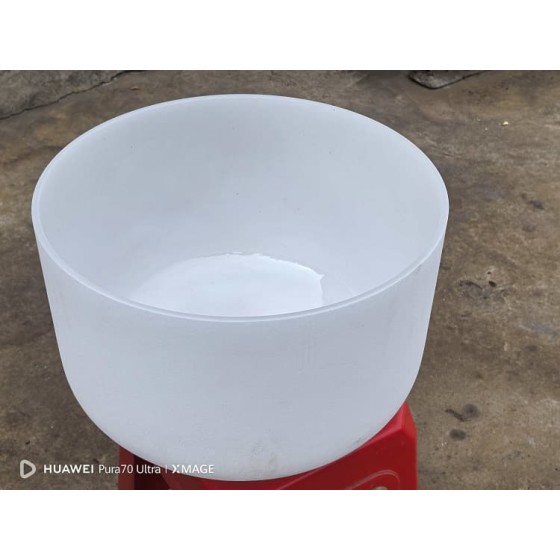
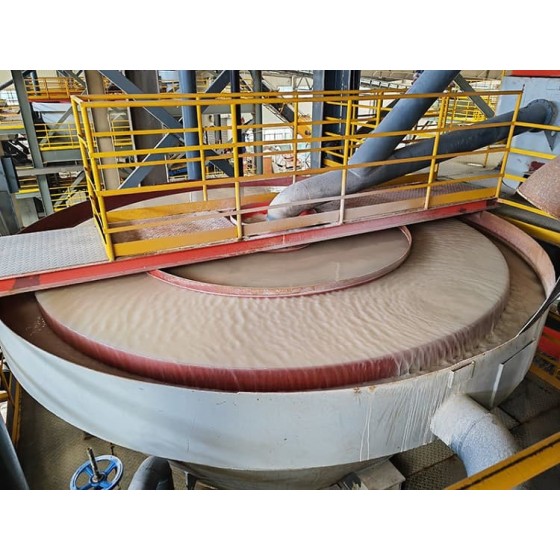
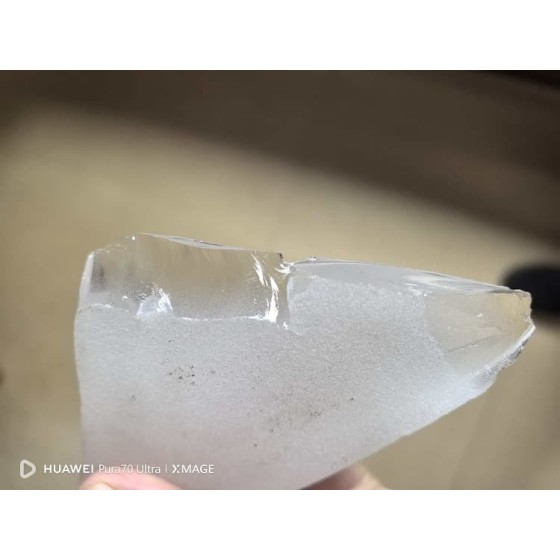
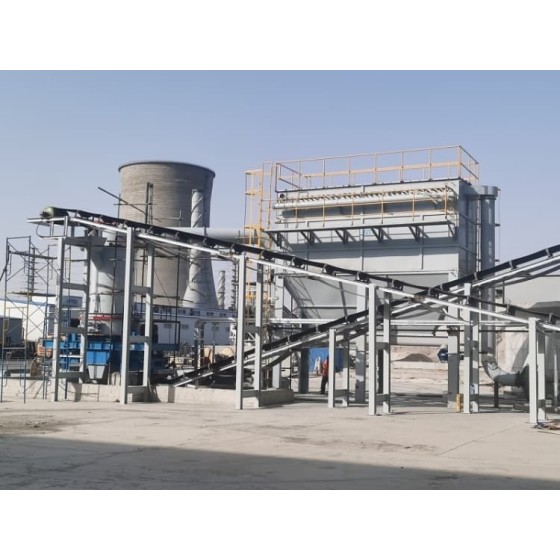
Production Line for Purifying Quartz Sand for TFT Glass Substrates
For ordinary glass sand, a Fe₂O₃ content of 0.1% or less is considered acceptable.For quartz sand used in TFT substrates, this figure must be reduced to below 0.015%, with even stricter requirements for certain high-end grades. The iron content in one metric ton of sand cannot exceed 150 grams—this goes beyond the concept of “ore beneficiation” and is closer to precision purification.
The design of a purification production line for quartz sand used in TFT glass substrates essentially boils down to one thing: how to gradually reduce the iron content step by step using a mechanical processing line for low-iron quartz sand. The four words “iron reduction and purification” are the very essence of the entire line.
[30-Second Summary]
The core task of a quartz sand purification production line for TFT glass substrates is to reduce iron content and purify the sand, bringing Fe₂O₃ down to the ppm level.
The mechanical processing scheme for low-iron quartz sand follows a main sequence of “scrubbing and dissociation—magnetic separation to remove iron—flotation separation—acid washing for deep impurity removal.”
Given significant variations among different ore sources, process configurations and performance metrics must be determined through testing and should not be copied verbatim.
Key considerations during the project\'s preliminary phase include: raw ore compatibility, the limit of iron reduction and purification, environmental compliance, and operational stability.
This article focuses on the selection and process design of quartz sand purification production lines for TFT glass substrates, serving as a reference for the early stages of project planning.
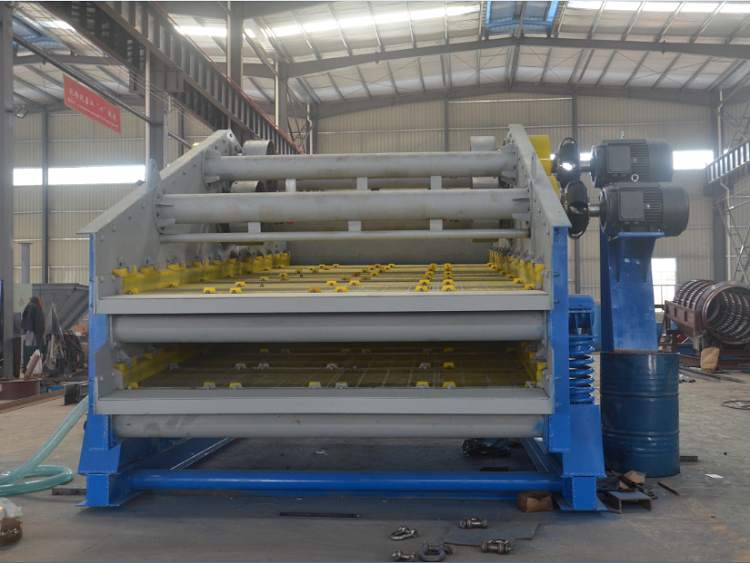
I. What Problems Does a Quartz Sand Purification Production Line for TFT Glass Substrates Actually Solve?
TFT glass substrates serve as the base material for liquid crystal displays. Iron ions in the glass absorb visible light, leading to reduced light transmittance and a yellowish tint in the display. More problematically, iron diffuses during the high-temperature melting process, affecting the electrical performance of thin-film transistors.
Therefore, the objective of a quartz sand purification production line for TFT glass substrates is clear: to reduce iron content while simultaneously ensuring SiO₂ purity, controlling Al₂O₃ levels, and maintaining an optimal particle size distribution.
The positioning of this production line can be summarized in three points:
First, product specifications focus on Fe₂O₃ and SiO₂ as core parameters, while also considering Al₂O₃ and particle size distribution.
Second, the process route relies primarily on physical purification, supplemented by chemical purification, with the low-iron quartz sand mechanical processing line承担ing the main task of iron reduction.
Third, the operational goal is not merely to “meet standards for a single batch,” but to ensure “consistency in every batch.”
Iron reduction and purification do not involve simply “washing away” the iron, but rather “removing” it from the quartz—removing it thoroughly and consistently.
II. Overall Concept of the Low-Iron Quartz Sand Mechanical Processing Line
The mechanical line solution for low-iron quartz sand refers to a purification route centered on mechanical and physical methods such as crushing, grinding, scrubbing, magnetic separation, and flotation. Its advantages lie in relatively controllable chemical consumption and stable operating costs, making it suitable as the primary front-end component of a quartz sand purification production line for TFT glass substrates.
From the perspective of the quartz sand purification process, the mechanical line approach addresses “bulk iron removal,” while the acid washing stage addresses “deep iron removal.” Only when these two stages are well-coordinated can the overall iron-reduction and purification efficiency of the entire line be maximized.
A typical process flow is as follows:
Raw ore crushing → Rod mill grinding → Scrubber washing → Hydrocyclone classification → Magnetic separation (roughing) → Magnetic separation (enrichment) → Flotation for feldspar and mica removal → Acid washing for deep impurity removal → Rinsing and dewatering → Drying and packaging
In this process, the mechanical line handles the four steps of “disintegration—classification—iron removal—separation,” while the acid washing section is responsible for further reducing the iron content to the ppm level. Only through their coordination do they form a complete iron-reduction and purification chain. If any one link is missing, the performance metrics may get stuck at a bottleneck and fail to improve.
III. The Four Key Stages of Iron Reduction and Purification
Magnetic separation, flotation, and acid washing are the four key stages in the iron reduction and purification process for quartz sand used in TFT glass substrate production lines. Magnetic separation captures weakly magnetic iron minerals, flotation separates feldspar and mica, and acid washing provides deep impurity removal—each stage has its own unique challenges.
1. Grinding and Scrubbing: Exposing the Iron
The iron in quartz sand exists partly as discrete minerals, partly as thin films adhering to particle surfaces, and partly as isomorphous impurities hidden within the crystal lattice. The first step in iron reduction and purification is to expose as much of this iron as possible.
The grinding fineness must be properly controlled. If ground too coarsely, iron minerals will not be sufficiently liberated; if ground too finely, the selectivity of subsequent magnetic separation and flotation will decrease, and slime formation will increase. The purpose of scrubbing is not to grind the ore, but to rub off the iron film from the particle surfaces.The three parameters—scrubbing concentration, temperature, and duration—must be determined through testing based on the specific ore source. In mechanical processing schemes for low-iron quartz sand, the selection of scrubbing reagents also affects the effectiveness of stripping the surface iron film; for products with high-quality requirements, specialized scrubbing reagents can be introduced to improve liberation efficiency.
2. Magnetic Separation: Capturing Weakly Magnetic Iron Minerals
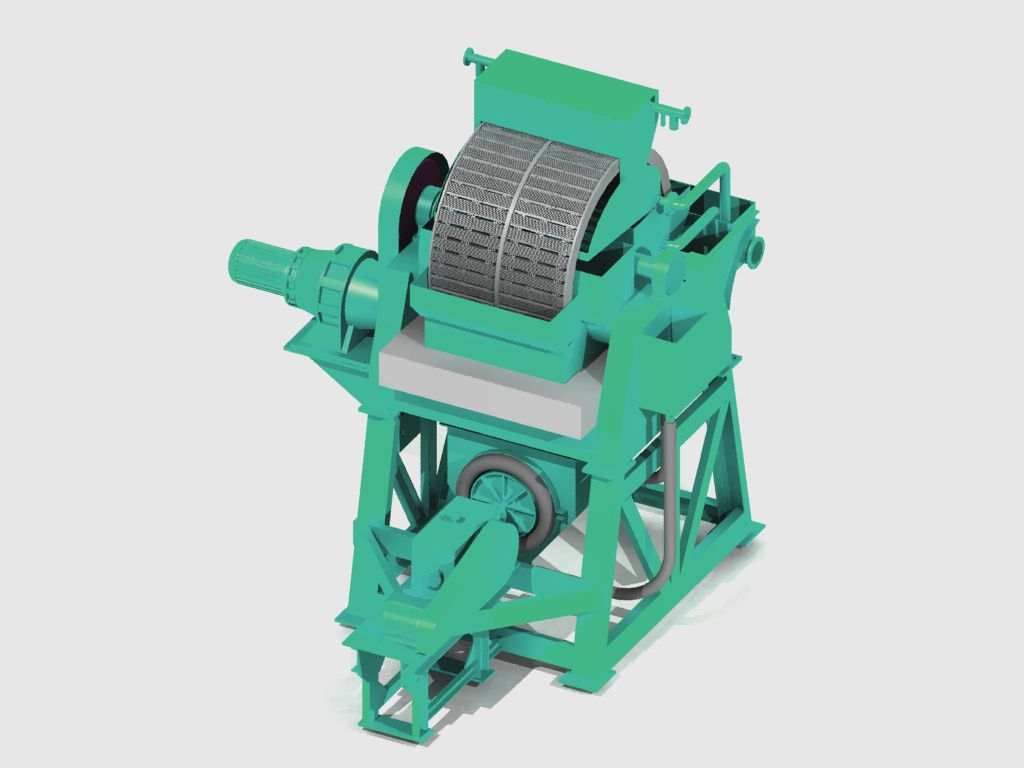
Magnetic separation is the primary process for iron reduction and purification in low-iron quartz sand processing lines. Quartz itself is non-magnetic, while iron minerals are mostly weakly magnetic; the role of the magnetic separator is to separate these weakly magnetic iron minerals from the quartz.
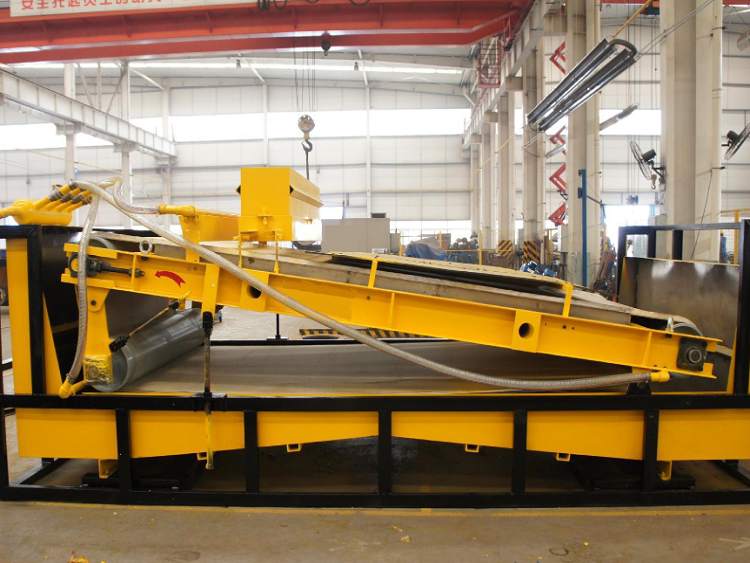
The key to magnetic separation lies in the background magnetic field strength and the particle size range being separated. If the field strength is insufficient, fine-grained iron minerals cannot be captured; if the field strength is too high, a small amount of iron-bearing silicate minerals will be carried along as well. The field strength settings for roughing and concentrating must be determined based on the distribution characteristics of iron minerals in the ore.A common configuration uses a flat-plate magnetic separator for roughing and a vertical-ring high-gradient magnetic separator for scavenging and concentrating; this staged configuration is more effective for stable iron removal than a single-stage high-intensity magnetic separator.
What is the appropriate magnetic field strength for magnetic separation? There is no single answer to this question. The finer the distribution of iron minerals in the raw ore, the higher the required magnetic field strength; however, as the magnetic field strength increases, so does the risk of entraining iron-bearing silicate minerals. This balance can only be determined through testing. It directly determines the upper limit of iron reduction and purification.
3. Flotation: Separating Feldspar and Mica
Feldspar and mica are common iron-bearing associated minerals found in quartz sand. The purpose of flotation is to separate feldspar and mica from quartz while simultaneously reducing iron content and improving purity.
The selection of flotation reagents is critical. There are two approaches for feldspar flotation—fluorine-containing and fluorine-free—while mica flotation uses amine collectors. The pH, flotation concentration, and specific reagent consumption must all be determined through testing.Poor control of the flotation stage not only results in poor iron removal but also affects the load on the subsequent acid leaching process. Flotation and acid leaching work in tandem; if the feed is not thoroughly separated in the front end, acid consumption in the back end cannot be reduced. For weakly magnetic black-spot minerals such as tourmaline and hornblende, a common processing route combines flotation with high-gradient strong magnetic separation.
4. Acid Washing: Reducing Iron to the ppm Level
Acid leaching is the critical deep-processing stage for iron reduction and purification in quartz sand-based production lines for TFT glass substrates. A mixed acid solution of hydrochloric acid and hydrofluoric acid dissolves iron-bearing minerals on particle surfaces and within microcracks, further reducing Fe₂O₃ levels.Systems using oxalic acid or fluorosilicic acid are also employed; the specific choice depends on the nature of the impurities and environmental requirements.
The key to acid washing lies in the acid ratio, temperature, duration, and rinsing. After acid washing, the quartz sand must be rinsed repeatedly until the pH of the rinse water approaches neutrality. Since the acid washing waste liquid contains fluoride, dedicated treatment facilities are required; this is a key focus of environmental approval.
The mechanical processing line design determines how fast you can go, while the acid washing stage determines how far you can go.
IV. Key Considerations for Equipment Configuration and Selection
The equipment configuration for a quartz sand purification production line for TFT glass substrates must be selected with the goal of iron reduction and purification in mind. The following are typical configuration options; specific specifications and quantities are subject to the actual scale of the operation.
| Process Step | Equipment Type | Selection Criteria |
|---|---|---|
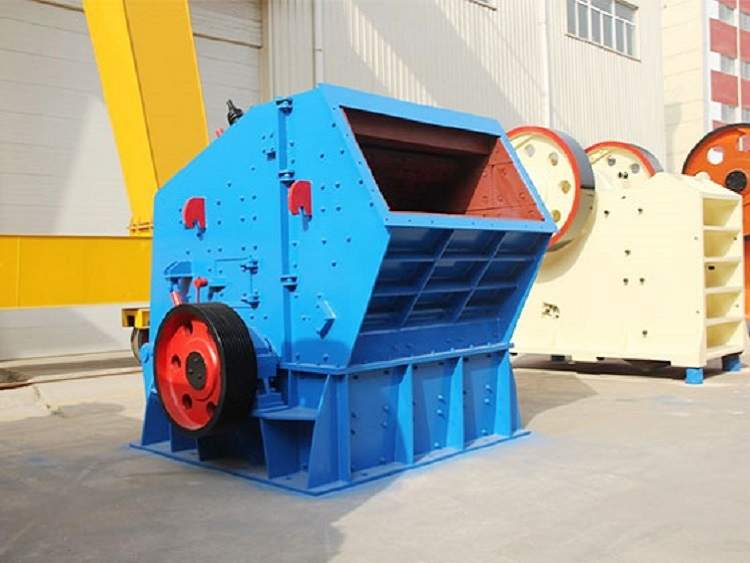
| Crushing | Jaw Crusher, Cone Crusher | Control feed particle size to reduce over-grinding |
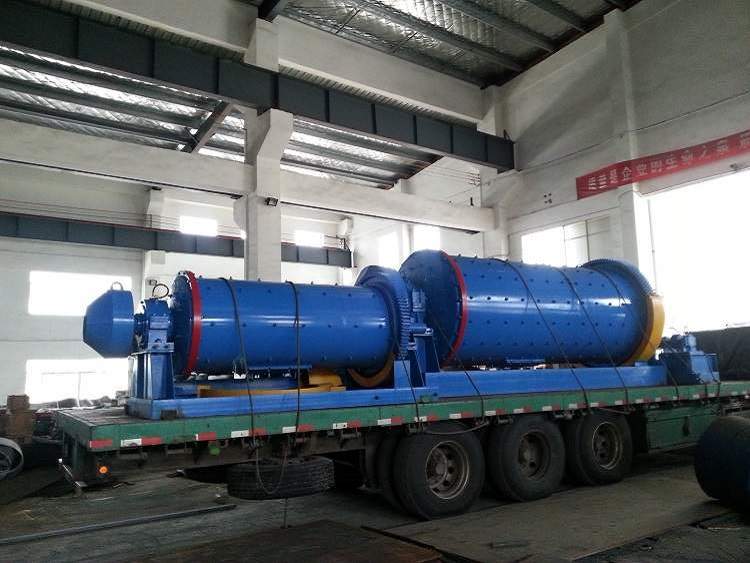
| Grinding | Rod Mill | Uniform grinding, minimal slagging, and preservation of particle shape |
| Scrubbing | Heated Scrubber | Adjustable temperature, concentration, and time |
| Classification | Hydrocyclones, hydraulic classifiers | Stable classification particle size |
| Magnetic Separation | Flat-plate magnetic separators, vertical ring high-gradient magnetic separators, electromagnetic slurry magnetic separators | Background magnetic field strength sufficient for the collection of weakly magnetic iron minerals; staggered configuration |
| Flotation | Aerated mechanical agitation flotation cells, automated dosing system | Adjustable aeration rate and agitation intensity |
| Acid Leaching | PTFE-lined reactors, counter-current scrubbing towers | Resistant to hydrofluoric acid corrosion; equipped with waste acid and exhaust gas treatment systems |
| Dewatering | Plate-and-frame filter presses, dewatering screens | Low moisture content in the filter cake |
| Drying | Rotary dryer | Temperature-controlled to prevent secondary contamination |
There are three key considerations for selection:
First, allow for a margin of safety in the magnetic separation field strength. When the iron content in the raw ore fluctuates, insufficient field strength can lead to unstable performance metrics, compromising the effectiveness of iron reduction and purification.
Second, the material of the pickling reactor must be fluorine-resistant. Ordinary stainless steel corrodes rapidly in hydrofluoric acid environments; PTFE or rubber lining are common choices.
Third, the aeration rate and agitation intensity of the flotation cell must be adjustable. Flotation conditions vary significantly depending on the ore source, so the equipment must allow for adjustments.
V. Industry Considerations for Quartz Sand Purification Production Lines for TFT Glass Substrates
1. How to Assess Raw Ore Suitability
Production lines for purifying quartz sand for TFT glass substrates have basic requirements for the raw ore. The Fe₂O₃ content, grain size distribution of iron minerals, and the content of feldspar and mica in the raw ore all affect the difficulty and cost of iron removal and purification.It is recommended to collect representative ore samples during the early project phase to conduct full-process testing and finalize the plan only after obtaining the relevant performance indicators. Relying solely on experience to make arbitrary decisions about the process will result in significant costs if modifications are required later.
2. What Level of Iron Reduction and Purification Can Be Achieved?
The limits of iron reduction and purification depend on the properties of the raw ore and the process configuration. A mechanical processing line can reduce Fe₂O₃ to a relatively low level, while the acid leaching stage further removes impurities. Specific achievable specifications must be confirmed through testing; it is not advisable to directly apply data from other projects. Results may vary even among ores from the same region but different ore bodies.
3. How to Address Environmental Compliance
Acid leaching waste liquid contains fluoride, which is a key focus of environmental approval for quartz sand purification production lines used in TFT glass substrates. A common treatment route involves calcium salt precipitation combined with flocculation, with the resulting sludge disposed of as hazardous waste.Investment in and operating costs for environmental protection facilities must be considered during the project\'s preliminary planning phase. Failure to meet environmental requirements will prevent the entire production line from operating. In regions with strict requirements for waste acid discharge, alternative routes—primarily involving magnetic separation combined with flotation—can be evaluated to reduce the acid washing load.
4. How to Ensure Operational Stability
The stability of a low-iron quartz sand mechanical processing line depends on three factors: raw ore homogenization, a stable chemical dosing regimen, and effective online monitoring. Panel manufacturers require quartz sand to be consistent from batch to batch, not merely compliant with standards for a single batch. Therefore, the implementation of online monitoring and batch traceability systems is often more critical than the hardware itself.
5. How to Estimate Investment and Operating Costs
The investment and operating costs for quartz sand purification production lines used in TFT glass substrates vary significantly depending on scale, ore source, and environmental requirements. Equipment investment, acid consumption, electricity consumption, water consumption, and environmental treatment costs must all be calculated based on the specific solution. It is recommended to conduct targeted investment estimates based on pilot test data; do not simply apply someone else\'s financial model to your own project.
6. Particle Size Distribution and Grinding Process
Quartz powder for TFT glass substrates has specific requirements for particle size distribution, and D50 and D90 must be consistently controlled. The grinding and precision classification stages following purification often determine whether the product is usable. Wet precision classification combined with iron removal is a common configuration for the downstream section of a quartz sand purification production line for TFT glass substrates.
On the same TFT glass substrate quartz sand purification production line, switching to a different ore source may require a completely different iron-reduction and purification strategy.
VI. What\'s Next?
This discussion of the quartz sand purification production line for TFT glass substrates focuses on iron-reduction purification processes, equipment configuration, and key selection criteria; however, the prerequisite for all of this is that testing must be conducted based on the specific ore source. There is no one-size-fits-all template for quartz sand purification; every stage—magnetic separation, flotation, and acid leaching—must be tailored to the specific ore source.
If you are planning a quartz sand purification production line for TFT glass substrates, or wish to confirm whether a low-iron quartz sand mechanical processing line is suitable for your specific ore source, we recommend doing one thing first: collect representative ore samples and conduct a full-process pilot test. Only after obtaining actual measured data on iron reduction and purification should you proceed with the design of the solution.The process configuration, magnetic separation field strength, flotation reagent regimen, and acid leaching parameters for a low-iron quartz sand mechanical processing line should all be determined item by item based on experimental data.