






300-metric-ton-per-day Silica Sand Flotation and Purification Production Line
I. The Challenge in Reducing Iron Content and Purifying Silica Sand Lies in How Impurities “Become Embedded” in Quartz
Glass sand, photovoltaic sand, and electronic-grade silica fume all have strict specifications for SiO₂ content and iron and aluminum levels. For photovoltaic sand, Fe₂O₃ must be reduced to below 0.008%; for panel-grade sand, whiteness must be ≥85, and Fe₂O₃ must be controlled at the 150 ppm level.The real challenge lies in the extreme variability in the occurrence states of impurities across different ore deposits: when iron exists as free hematite, magnetic separation can remove the majority of it; however, when iron is embedded in fissures or coated on surfaces as a thin film, physical beneficiation is largely ineffective, necessitating flotation.Whether impurities exist as surface iron films or are encapsulated within the crystal lattice directly determines whether magnetic separation, flotation, or calcination and acid leaching should be used—this is the question that mineral processing tests must first answer.
The situation with aluminum is similar. The differences in floatability between feldspar, mica, and quartz are inherently small, resulting in a very narrow separation window. Many processing plants struggle to improve flotation performance despite having the necessary equipment; the root cause lies in a reagent regimen that fails to fully account for the ore\'s properties.
A 300-metric-ton-per-day silica sand flotation and purification production line is scaled for continuous operation and cannot afford any waste in the cost per metric ton of concentrate. The design logic should center on “precise iron removal and purification” from the very beginning.
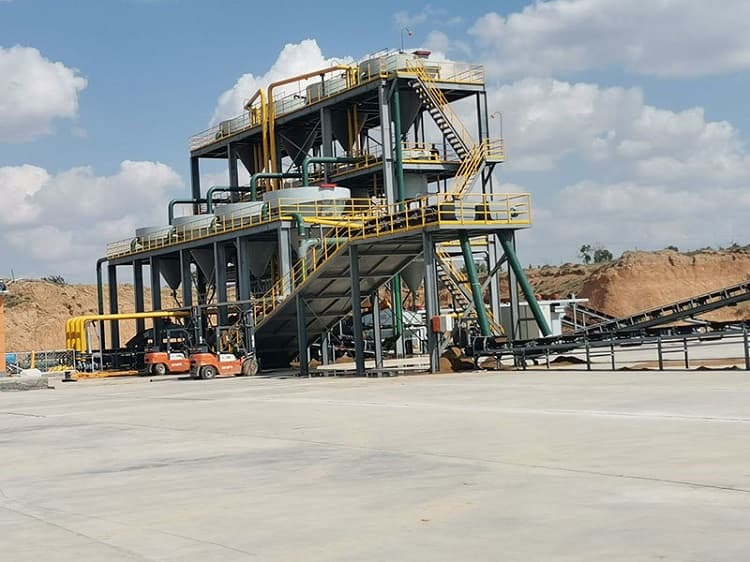
II. Mechanical Processing Line Design for Low-Iron Quartz Sand: How to Divide the Three-Stage Process
A mechanical processing scheme for low-iron quartz sand typically consists of three stages: scrubbing and desliming, magnetic separation for iron removal, and flotation for purification. The key lies in the proper distribution of processing loads.
In the scrubbing and desliming stage, high-efficiency scrubbers are used to remove clay and iron films from the particle surfaces. After classification via hydrocyclones, fine slime is sent directly to the tailings. If this stage is not performed thoroughly, the flotation foam will become sticky, and selectivity will drop sharply.
The magnetic separation stage first removes strongly magnetic minerals. In practice, this is typically configured as a cascading magnetic separation process, with iron progressively stripped through roughing, scavenging, and concentrating stages. The magnetic field strength is adjusted according to the magnetic iron content in the ore; if set too high, it may carry weakly magnetic useful minerals into the tailings.
The flotation purification stage is the final step in iron reduction and purification. Properly adjusted slurry is fed into the roughing flotation cell, where collectors and frothers are added; iron- and aluminum-bearing gangue floats to the top as foam, while quartz remains at the bottom of the cell.
Load distribution depends on the properties of the raw ore: if the iron is primarily magnetic iron, magnetic separation handles the majority of the load; if the iron is primarily hematite, flotation handles the majority. There is no fixed ratio; this is determined after conducting tests.
III. Exclusive Purification Technology: What Sets It Apart
At first glance, silica sand flotation processes appear largely similar; however, the difference lies in several inconspicuous yet critical steps that determine success or failure.
Customized Reagent Formulations. It is difficult for a single type of amine-based or fatty acid-based collector to balance selectivity and collection efficiency. The approach involves formulating a blend of cationic and anionic collectors based on zeta potential and isoelectric point, tailored to the separation window between quartz, feldspar, mica, and iron-bearing minerals, while using pH adjusters to control the pulp\'s pH window.Floating tests are conducted at each mine site first, and formulations are adjusted based on the results; generic formulations are not applied across the board.
Segregated return of intermediate concentrates. Intermediate concentrates from the scavenging stage are returned to the roughing stage, while those from the cleaning stage are returned to the scavenging stage. This prevents the accumulation of fine slime and intergrown particles in the cleaning stage and ensures impurities do not circulate within the system.
Aeration rates are controlled on a stage-by-stage basis. High aeration rates in the roughing stage ensure throughput, while low aeration rates in the cleaning stage result in a thin foam layer and minimal carryover. Different impeller linear speeds are used for different operations on the same flotation cell.
Automation levels can vary. If the budget allows, implement PLC control; if the budget is limited, ensure at least the flotation liquid level and aeration rate are manually adjustable.
The combination of these details is what distinguishes proprietary purification technology from generic solutions. While the equipment lists may appear similar, the performance metrics differ significantly once the system is operational.
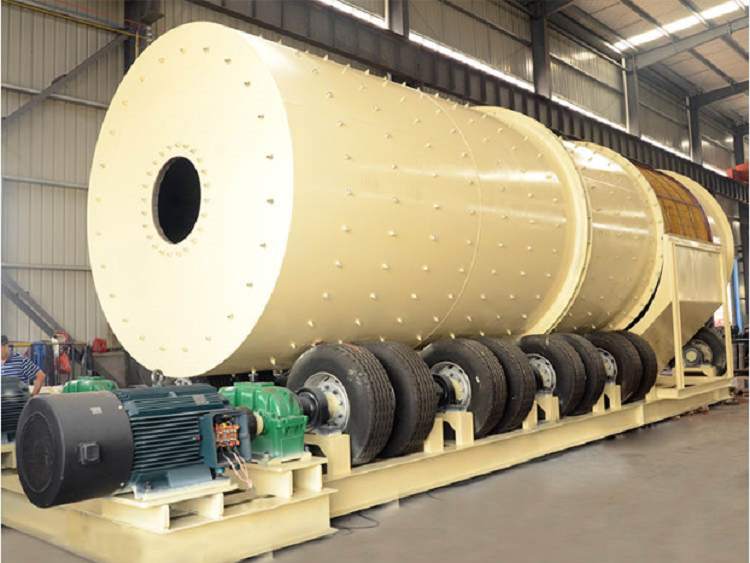
IV. How to Operate a Silica Sand Flotation and Purification Production Line
The entire silica sand flotation and purification production line is broadly divided into six steps: feeding and slurry adjustment (controlling concentration and pH) → washing and desliming (fine slime goes to tailings) → magnetic separation for iron removal (to reduce the flotation load) → flotation roughing (gangue floats to the top, quartz remains at the bottom of the cell)→ Sweep and Concentration (sweep stage recovers intergrown minerals; concentration stage uses a thin foam layer with low aeration; tailings from the concentration stage are returned to the roughing stage to form a closed circuit) → Dewatering and Drying (concentration and filtration; if higher grade is required, follow with drying and magnetic separation for re-concentration).
Based on continuous operation at a daily processing capacity of 300 metric tons, it is recommended to allow for a margin of capacity when selecting equipment.
V. Which silica sand deposits are suitable for this process line?
There are three main criteria for evaluation.
Consider the SiO₂ grade of the raw ore. If the grade is too low or the impurity mineral content is too high, reagent consumption will be excessive, making it difficult to balance concentrate grade and recovery rate. For producing photovoltaic-grade sand or high-purity sand, the raw ore must meet a minimum grade threshold; if the gap is too wide, relying solely on flotation to compensate is not economically viable. For such ores, it is recommended to conduct mineral processing tests before making a decision.
Examine the occurrence of iron and aluminum. If iron is primarily present as free, magnetic iron, magnetic separation can handle the majority of it, with flotation serving as a supplement; if iron is mainly present as fissure iron or film iron, flotation is the primary method. If aluminum exists in the form of feldspar or mica, the flotation window is narrow, and the reagent regimen is highly demanding.
Consider the product specifications. Requirements for ordinary glass sand are relatively lenient; however, photovoltaic sand and electronic-grade silica microspheres have extremely strict requirements for iron and aluminum content, often necessitating a combination of flotation with acid leaching or roasting.
Whether a mechanical processing line for low-iron quartz sand is suitable ultimately depends on the results of mineral processing tests.
VI. Flotation, Acid Leaching, or Roasting: How to Choose the Process Route
The flotation route is suitable for silica sand where iron exists as discrete minerals or in intergrown forms. It has relatively low operating costs and manageable environmental pressures, but it requires a sophisticated reagent regime and relies heavily on operational experience.For applications with low-iron requirements, such as sand for photovoltaic glass, established flotation processes can consistently reduce Fe₂O₃ to below 0.008%; this is why the replacement of acid leaching with flotation has been a recurring topic of discussion in recent years.
The acid leaching route is suitable for cases where iron coats the surface of quartz in a thin film. It offers good iron removal efficiency but involves high acid consumption, high waste liquid treatment costs, and strict environmental approval requirements.
The roasting route is suitable for difficult-to-process ores where iron is embedded within the quartz crystal lattice; while it delivers stable results, it is energy-intensive and requires significant capital investment, and is generally used as a last resort.
In practical applications, flotation is often combined with magnetic separation, while acid leaching is typically used as a supplementary purification step for flotation concentrates. It is difficult for a single process to cover all ore types.
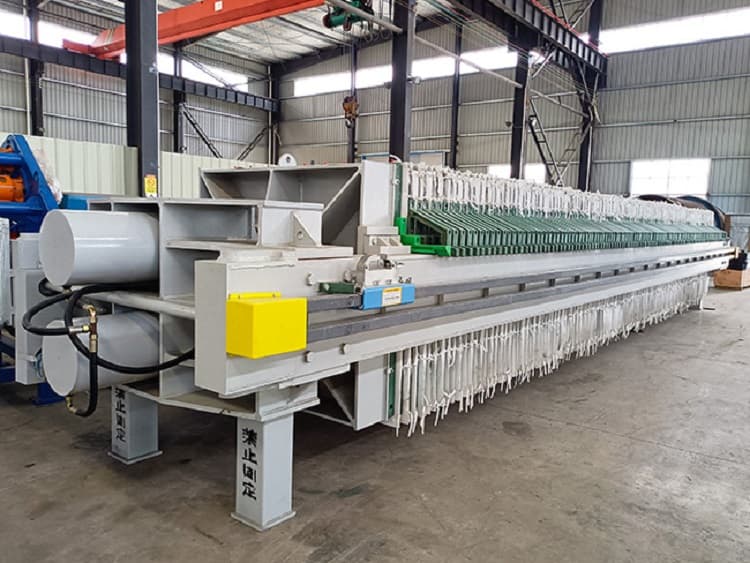
VII. Environmental Protection and Tailings: Calculations Must Be Made Early On
Flotation wastewater must be directed to a tailings pond for sedimentation and must not be discharged directly; overflow from concentrate thickening and filtration should be collected and returned to the pulp preparation process, which can significantly reduce the amount of fresh water required. Flotation tailings have low concentration and are typically fed into a thickener; the underflow is sent to a tailings pond or pressed into cakes for off-site transport.Low-toxicity, biodegradable collectors and adjusters should be selected; however, flotation wastewater still requires treatment, and tailings management must not be neglected simply because the reagents are environmentally friendly. Sufficient budgetary provisions must be set aside for this purpose; without meeting environmental standards, the production line cannot operate.
VIII. Frequently Asked Questions
Q: The SiO₂ content in the raw ore is relatively low. Can it be purified to meet high standards?
This is quite challenging. Flotation has a minimum threshold for raw ore grade; if the SiO₂ content is too low, reagent consumption increases significantly, making it difficult to balance concentrate grade and recovery rate. It is recommended to conduct mineral processing tests first before making a decision.
Q: Are flotation reagents environmentally friendly?
It depends on the formulation. Low-toxicity, biodegradable collectors and modifiers should be selected; however, flotation wastewater must still be directed to the tailings pond for sedimentation and cannot be discharged directly.
Q: Can this line process other ores?
The flotation machines themselves are versatile, but the reagent regimen and process parameters must be readjusted. The flotation windows for silica sand differ from those for feldspar and quartz sand; a single set of parameters cannot be applied universally.
Q: How can we determine if the solution meets the standards?
Acceptance criteria should be clearly defined during the contract phase and typically include indicators such as concentrate grade, recovery rate, reagent consumption per metric ton of ore, and power consumption per metric ton of ore. Specific values vary by ore type and are subject to the mineral processing test report and mutual agreement between both parties. A responsible solution provider will not make absolute numerical commitments without reference to ore samples.
IX. If You Need
A 300-metric-ton-per-day silica sand flotation and purification production line is not a standard product but a customized solution. As ore properties differ, the process and reagents must be adjusted accordingly. The core of a mechanical processing solution for low-iron quartz sand lies in the principle of “tailoring the solution to the specific ore.” The effectiveness of iron-reduction and purification in silica sand ultimately depends on test data, not the equipment list.
If you have a silica sand deposit and are planning to establish a low-iron purification line, the most prudent approach is to first send ore samples for flotation testing and discuss equipment configuration only after obtaining the performance indicators. Reversing this order carries significant risks.
If you would like to learn more about silica sand flotation and purification production line solutions, or if you\'d like to receive recommendations for a low-iron quartz sand processing line tailored to your specific ore, please submit your requirements. We can assist in determining the process route and general target specifications, and provide support for iron-reduction and purification testing and equipment selection.