


Low-Iron Quartz Sand Production Line Prices: Check This List Before Requesting a Quote
For the same low-iron quartz sand production line with a capacity of 30 metric tons per hour, quotes from different equipment manufacturers can vary by several times. The range of price fluctuations for low-iron quartz sand production lines is wider than most people anticipate.
The discrepancy does not lie in the equipment itself, but rather in the fact that information about the ore sample has not been communicated effectively.
Essentially, the price of a low-iron quartz sand production line is a reflection of the ore sample\'s characteristics in the equipment specification sheet. If the ore characteristics aren\'t clearly defined, the resulting specification will be inaccurate. This article does not provide specific quotes but instead outlines the preparatory steps that should be completed before requesting a quote, to help determine whether subsequent price quotes for low-iron quartz sand production lines are comparable.
Ore Sample Classification: The Form of Iron Occurrence Determines the Direction of the Low-Iron Quartz Sand De-ironing Solution
Quartz sand ores are broadly classified into three categories based on the form in which iron is present. Compare your own ore sample to these categories and perform a preliminary classification.
Category 1: Primarily surface iron and strongly magnetic iron. Iron is attached to the surface of the particles or exists in the form of magnetite. This type of ore is relatively easy to process; the magnetic separation stage alone can remove most of the iron. A standard low-iron quartz sand production line is generally sufficient, and the acid leaching stage can be omitted for the time being.
Category 2: Moderate proportion of weakly magnetic iron with minimal lattice-bound iron. This category is dominated by weakly magnetic iron minerals such as hematite and limonite. High-gradient magnetic separation is required, and flotation should also be incorporated. Acid leaching can serve as a backup stage but does not necessarily need to be activated during normal operation.
Category 3: High proportion of lattice iron. Iron ions are embedded within the quartz crystal lattice, making them difficult to remove through either mechanical or physical separation. Acid leaching is mandatory for this type of ore; a low-iron quartz sand mechanical processing line can only minimize the acid leaching load—it cannot replace the acid leaching process.
If you are unsure which category your ore sample belongs to, we recommend first conducting a mineralogical analysis. The proportion of specific iron forms is more critical for decision-making than the total Fe₂O₃ content. Only by thoroughly completing this step can you establish a solid basis for subsequent discussions on iron removal solutions for low-iron quartz sand. Ore sample classification serves as the starting point for evaluating the cost of a low-iron quartz sand production line.
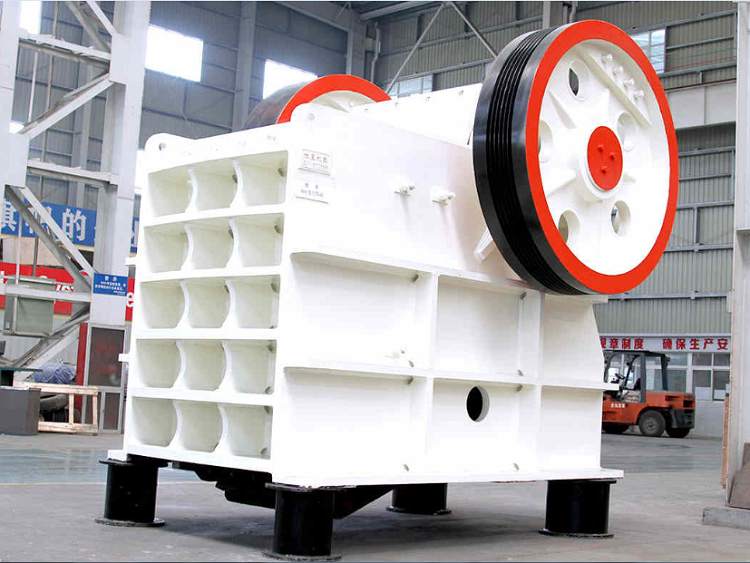
Crushing Stage: Iron Contamination Begins with the First Crushing Stage
Quartz is highly hard, causing rapid wear on carbon steel components. Wear particles from the jaw crusher tooth plates, cone crusher liners, and chute bottoms directly enter the material stream.
Key Configuration Points: Use a jaw crusher for primary crushing and a cone crusher for secondary crushing, operating in a closed-circuit system. Install a vibrating screen at the discharge, with oversize material returned to the feed.Material-contacting surfaces should be lined with wear-resistant ceramics or polyurethane to prevent exposure of carbon steel. Industry practice requires that chutes, pipes, and silo walls in contact with the material be lined with wear-resistant ceramics, polyurethane, rubber, or stainless steel; direct contact between exposed carbon steel and quartz sand is strictly prohibited.
Why It\'s Critical: Iron introduced into the crushing stage exists in the form of elemental iron and iron oxide, with relatively coarse particles; magnetic separation can remove a portion of this. However, when iron in the fine particle size range is mixed with quartz powder, the efficiency of magnetic separation drops significantly.
Common Oversights: To save on the cost of a screen, an open-circuit crushing process is employed. This results in significant fluctuations in the discharge particle size, causing unstable mill loads and a corresponding decrease in the efficiency of the grinding stage. The cost saved on the screen will eventually be more than offset by increased power consumption of the mill.Measures to prevent iron contamination in the crushing stage directly affect the intensity of the subsequent iron removal configuration in a low-iron quartz sand production line.
Grinding Stage: The choice of grinding media directly affects the burden of subsequent iron removal
Grinding is the liberation stage. If iron minerals and quartz are not sufficiently liberated, the effectiveness of subsequent magnetic separation and acid leaching will be limited.
Key Configuration Points: Use a rod mill for coarse grinding to ensure uniform particle size and minimize over-grinding. Line the mill with alumina ceramic or rubber; avoid using steel rods or steel balls as grinding media. Control the fineness within a reasonable range to balance liberation efficiency and over-grinding control.
Why It\'s Critical: Grinding is also one of the primary sources of iron contamination. Iron carried into the fine powder by worn steel grinding media is difficult to remove via magnetic separation, leading to increased acid consumption during acid washing. Selecting the right grinding media reduces the burden on both subsequent processing stages.
Common Oversights: Opting for steel balls or steel liners to save money. Iron introduced through wear mixes with the fine powder and is difficult to completely remove even through acid leaching. Ultimately, iron levels become unmanageable, forcing a retroactive replacement of grinding media—resulting in production downtime losses that far exceed the price difference of the grinding media.The selection of grinding media for the grinding stage is a cost item that is often underestimated in mechanical processing schemes for low-iron quartz sand.
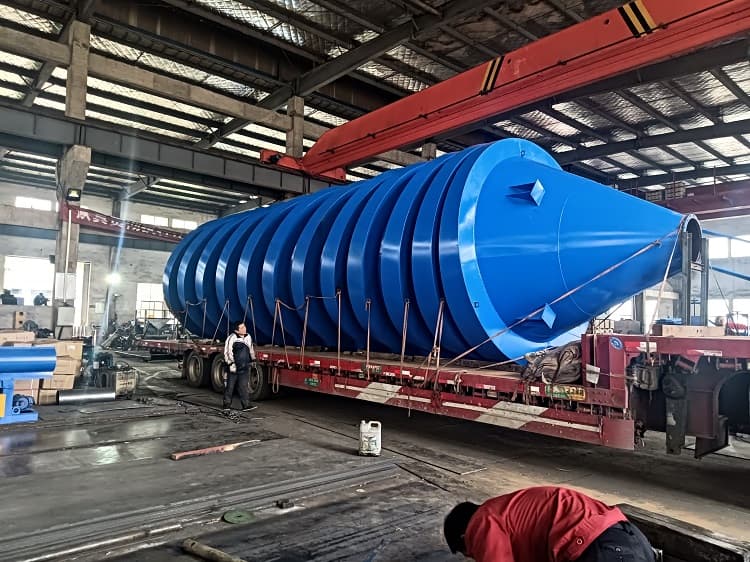
Classification and Desliming: Particle Size Control Is a Prerequisite for Magnetic Separation Efficiency
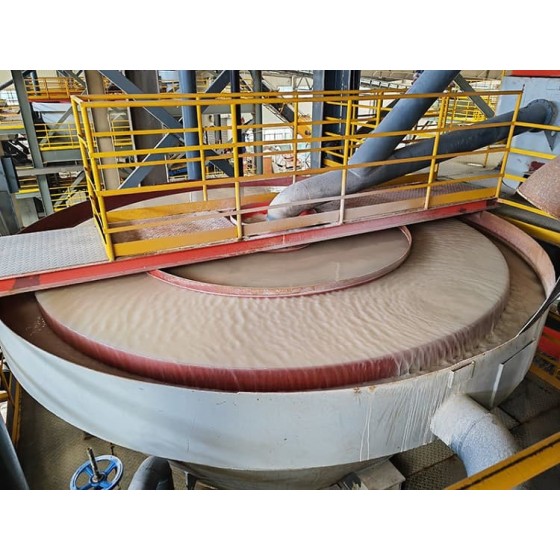
Fine slime must be removed after grinding. If fine slime remains, the magnetic field distribution in the magnetic separator becomes uneven, reducing the capture rate of weakly magnetic iron in the fine particle size fraction. The core equipment in the classification and desliming stage includes a hydraulic classifier or a restricted settling tank, designed to thoroughly remove fine slime before the material enters the magnetic separator.
Why It\'s Critical: A wide particle size distribution—where coarse and fine particles enter the magnetic separation process mixed together—raises the question: at what particle size should the magnetic field strength be set? If set for coarse particles, fine particles will not be fully removed; if set for fine particles, the processing capacity for coarse particles will be insufficient. Only when classification is properly executed can magnetic separation efficiency remain stable.
Common Oversights: Treating classification as a secondary step and feeding the material directly into magnetic separation after grinding.The result is inconsistent iron content levels, making it difficult to pinpoint the cause. When such production lines inquire about prices for low-iron quartz sand production lines, the quoted figures lack a reliable basis because the compliance rate itself is uncertain. Whether the classification and desliming plan is comprehensive serves as a prerequisite indicator for determining whether a quartz sand production line price quote is sound.
Magnetic Separation Section: The Core Component of a Low-Iron Quartz Sand Processing Line
Magnetic separation is the primary method for iron removal in a low-iron quartz sand mechanical production line. The number of stages configured depends on the form in which iron is present.
Configuration Key Points: A three-stage gradient configuration. The first stage uses a permanent magnet drum to remove strongly magnetic iron. The second stage employs a flat-plate high-intensity magnetic separator to remove medium- and weakly magnetic iron. The third stage utilizes a vertical ring high-gradient separator to capture micron-sized, weakly magnetic iron.Industry-standard practices also follow the principle of processing weakly magnetic particles before strongly magnetic ones, with multiple stages arranged in series. The first stage of weak-magnetic pre-selection must not be skipped; otherwise, strongly magnetic particles will clog the media in subsequent high-gradient magnetic separators.
Why It\'s Critical: The first stage of weak magnetic separation must not be omitted. If strongly magnetic particles are not removed and enter the high-gradient stage directly, they will clog the media. Thorough magnetic separation reduces the acid washing load, thereby lowering acid consumption.
Common Oversight: Attempting to use a single magnetic separation stage to handle all particle sizes. The magnetic separation efficiency differs significantly between coarse and fine particles, and a single stage can only effectively address one or the other. Whether the number of magnetic separation stages is properly matched to the form of the iron is one of the primary sources of variation in pricing for mechanical processing lines for low-iron quartz sand.
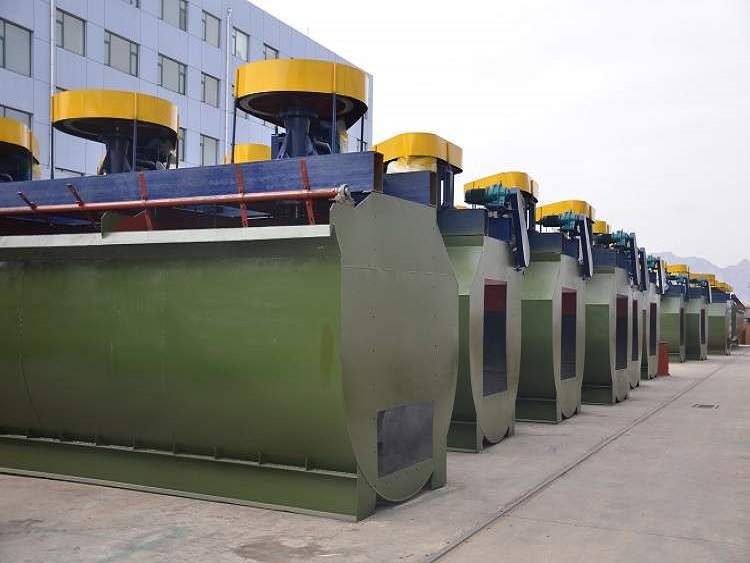
Flotation and Acid Leaching: Criteria for Determining Whether to Include Them
Flotation removes weakly magnetic iron minerals and iron-bearing silicates. Quartz sand acid washing lines use a mixed acid system, with temperature and duration determined by the state of iron occurrence. The acid washing system must be equipped with exhaust gas recovery and waste acid recycling facilities.
Why It Matters: Iron content requirements for ordinary construction sand are relatively lenient, whereas those for photovoltaic glass sand are much stricter. Once magnetic separation has reached its limits, the remaining iron can only be treated through flotation and acid leaching. At this stage of iron reduction and purification, the key challenge lies in the rationality of the process combination, rather than the performance of individual pieces of equipment.
Common Oversights: Designing processes without reference to ore samples. When the proportion of weakly magnetic iron is low but flotation is forced, the investment and reagent costs are difficult to recoup. When the content of lattice iron is high, relying solely on flotation without acid leaching results in a persistent shortfall in iron removal targets.Whether or not to include an acid washing line for quartz sand is a critical decision point in selecting the iron-reduction and purification process route.
The dividing line between mechanical processing and acid leaching
This is the most frequently asked question during the quotation phase.
There is only one deciding factor: the proportion of lattice iron.
If the proportion of lattice iron is low, the mechanical processing line can meet standards, and acid washing is not necessary. If the proportion of lattice iron is moderate, the problem can be solved by combining the mechanical processing line with flotation, with acid washing serving as a backup. If the proportion of lattice iron is high, the mechanical processing line will struggle to meet standards even at its maximum capacity, and acid washing is mandatory.In this scenario, the value of a mechanical processing line for low-iron quartz sand lies in minimizing the acid leaching load, not in completely replacing acid leaching.
There is only one basis for judgment: pilot test data from the ore sample. Verbal commitments from equipment manufacturers are for reference only; only data obtained from testing your own ore samples holds decision-making value. The selection of iron-reduction and purification routes for photovoltaic glass sand also follows this logic. The decision on whether to use a mechanical line or an acid washing line directly determines the price range of a low-iron quartz sand production line.
Verifying the Effectiveness of Iron Reduction
Ask the equipment manufacturer a specific question: “When processing my ore, what is the stable Fe₂O₃ level this line can achieve?”
If the manufacturer only provides a range rather than a specific target value, it indicates they lack confidence in their own capabilities.
A more reliable approach is to first conduct small-scale or pilot-scale tests and discuss equipment configuration only after obtaining actual data. Pilot-scale data is far more valuable than any verbal commitment.The final outcome of iron reduction and purification is not determined by the equipment list, but by how well the ore sample matches the process. The price of a low-iron quartz sand production line ultimately hinges on whether it can consistently meet the required standards. If the targets are not met, even the lowest quote is of little practical value.
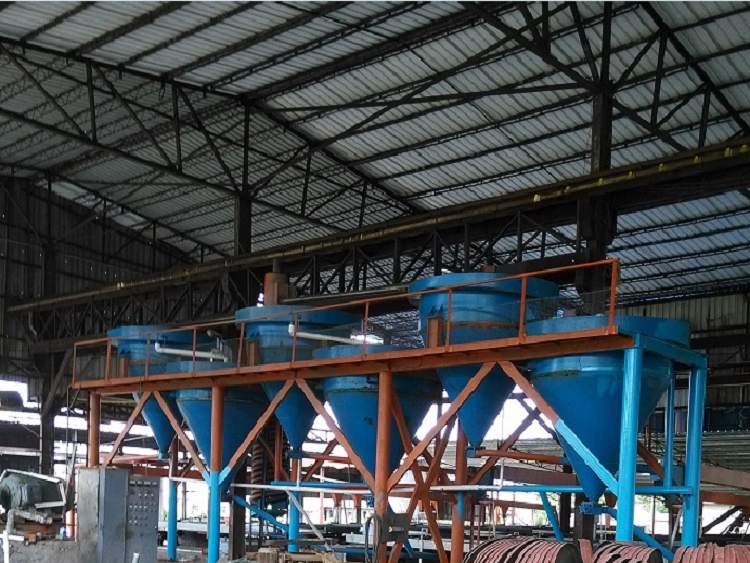
Differences in Capacity Categories and Configuration Logic
Different target production capacities correspond to different configuration approaches, and there are also significant differences in the composition of quotations.
Small-scale lines with an hourly output of around 10 metric tons: An integrated crushing and grinding solution may be considered, with a two-stage magnetic separation configuration, suitable for construction sand or applications with relatively lenient purity requirements.
Medium-scale lines with an hourly output of 30 to 50 metric tons: Two-stage closed-circuit crushing combined with a rod mill, three-stage magnetic separation; flotation and acid leaching are determined based on the ore sample. This configuration is commonly used in photovoltaic sand projects.
Large-scale lines with an hourly output of 50 metric tons or more: Multiple lines are operated in parallel, and the number of magnetic separation stages and equipment specifications must be recalculated. Investments in environmental protection and wastewater treatment also increase accordingly.
Depending on production capacity, the cost structure of low-iron quartz sand production lines varies. For small-scale lines, equipment accounts for a higher proportion of the cost, while for large-scale lines, environmental protection and civil engineering account for a higher proportion. When requesting a quote, clearly specify the target production capacity; otherwise, the quoted price for the quartz sand production line will not be comparable to other offers.
Environmental Protection Equipment: An Area Often Underestimated in the Cost of Low-Iron Quartz Sand Production Lines
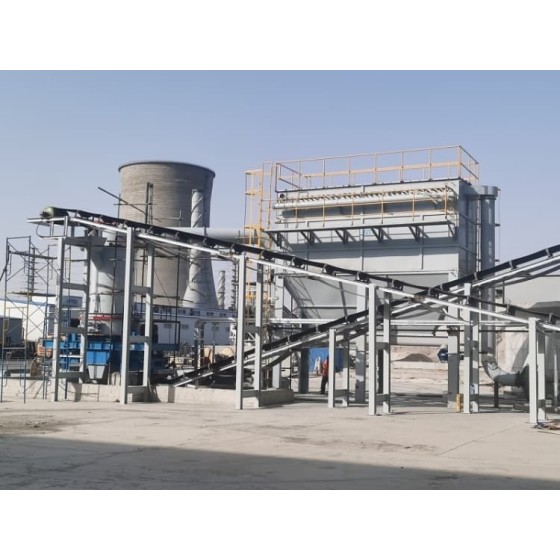
Pulse-jet dust collectors must cover all dust-generating points in the feeding, crushing, screening, and conveying processes. The wastewater treatment system should include a settling tank and a filter press, with acid washing wastewater treated separately. Soundproof panels should be installed in the crushing workshop, and fans should be equipped with silencers.Based on actual environmental impact assessment (EIA) documents, the exhaust gas collection and treatment system for low-iron quartz sand production lines typically includes multiple facilities such as gas collection ducts, spray towers, baghouse dust collectors, and exhaust stacks. Wastewater treatment systems are equipped with recirculation tanks and filter press equipment, all of which are mandatory requirements for EIA approval.
In current environmental impact assessments for quartz sand projects, environmental protection equipment constitutes a mandatory requirement. Without this system, the production line will likely fail to pass acceptance inspection upon completion. Since environmental protection equipment accounts for a significant portion of the total cost, it must not be treated as an optional extra when submitting bids.
Omitting environmental protection items during the quotation stage—only to add them to the budget after signing the contract—or opting for a lower-spec configuration to reduce the total cost may result in dust levels exceeding standards and the discharge of wastewater during operation. Environmental inspections will directly impact production continuity. Whether environmental protection components are included is a critical factor in determining the completeness of the low-iron quartz sand production line configuration list.
Low-Iron Quartz Sand Production Line Configuration List: Verify Each Item Before Requesting a Quote
We recommend verifying each item in the following low-iron quartz sand production line configuration list:
- Has the mineralogical analysis been completed, and are the iron forms clearly identified?
- What are the target Fe₂O₃ specifications for the product—photovoltaic grade or construction grade?
- Have measures to prevent iron contamination in the crushing and grinding sections been finalized?
- Is there a particle size control plan in place for classification and desliming?
- Has the number of magnetic separation stages been determined based on the form of iron?
- Will flotation and acid leaching be implemented, and what is the rationale?
- Has a budget been set aside for environmental protection equipment?
- Is the equipment manufacturer required to provide pilot-scale or small-scale test data?
Only after verifying the above items should you proceed to the quotation phase for a low-iron quartz sand production line. Only when you can address all questions raised by the other party will the quoted figures be meaningful for comparison. This is also the objective of this article: not to provide a specific figure, but to offer criteria for assessing the reasonableness of a low-iron quartz sand production line price.
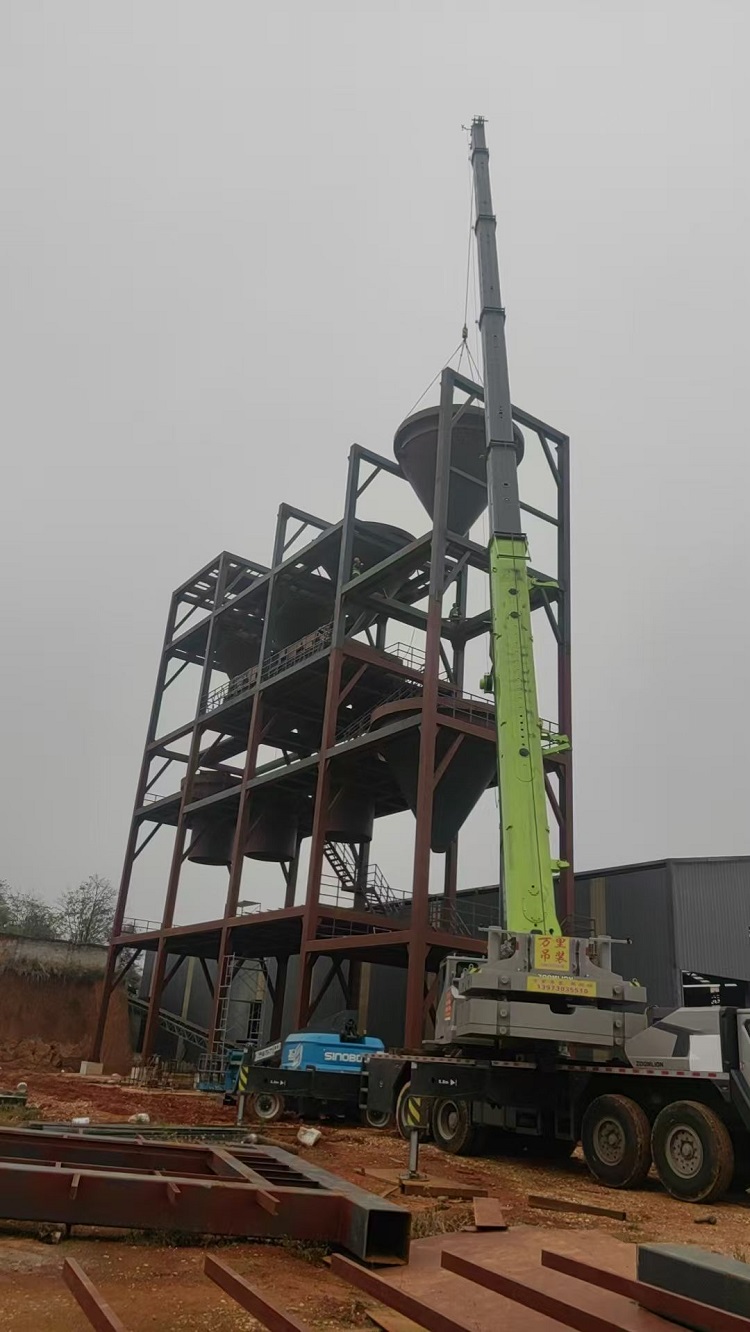
Communication Regarding Pricing Proposals for Low-Iron Quartz Sand Production Lines
There is no uniform standard for the price of a low-iron quartz sand production line; the quote for each line depends on the properties of the raw ore and the product specifications. After providing a mineral sample analysis report, you can explain the low-iron quartz sand machinery line proposal and the iron-reduction and purification process segment item by item, clarifying which stages must be included, which can be simplified, and the approximate investment range for each segment.
Mineral sample analysis is a prerequisite for requesting a quote. We recommend reviewing the above low-iron quartz sand production line configuration list item by item before requesting a quote; proceeding with solution discussions only after this step is completed will ensure greater efficiency. The reasonableness of the price for a low-iron quartz sand production line ultimately depends on the degree of alignment between the mineral sample data and the mechanical line solution.