


Is the operation of a quartz sand crushing, grading, and magnetic separation plant with a production capacity of 70 metric tons per hour stable?
Is the operation of a quartz sand crushing, grading, and magnetic separation line with an hourly output of 70 metric tons stable?
The question “Is it stable?” refers to whether the production line can operate at full capacity over the long term and whether performance metrics can consistently meet standards. A production capacity of 70 metric tons per hour (calculated based on 300 operating days per year and 20 hours per day, resulting in an annual output of approximately 420,000 metric tons) falls within the medium-to-large-scale range for production lines.The three stages—crushing, classification, and magnetic separation—form the “backbone” of a quartz sand production line. The stability of these three stages directly determines whether the entire line can operate continuously.Here\'s the conclusion first: Stability does not depend on the 70-metric-ton capacity itself, but rather on whether three design prerequisites are met—whether equipment selection is tailored to the ore, whether key equipment is configured in parallel, and whether there are buffer mechanisms at the interfaces between series and parallel connections. This article will discuss each point in detail.
I. Clarifying Capacity and Product Positioning
If the 70 metric tons per hour refers to finished product capacity, and assuming a yield rate of 70%–90%, the raw ore processing capacity must be configured at 78–100 metric tons per hour. Equipment for the crushing, classification, and magnetic separation stages should all be scaled up accordingly, with a safety margin of 1.1–1.2 times.
Product positioning determines the load on the three processing stages: for producing sheet sand or photovoltaic glass sand, the magnetic separation process requires a multi-stage, tiered configuration with high classification precision; for foundry sand or ordinary glass sand, the number of magnetic separation stages can be reduced, and classification requirements are relatively less stringent. The distribution of impurities in the raw ore determines the crushing and grinding methods as well as the magnetic field strength configuration.The three-stage configuration must be based on mineral processing test data.
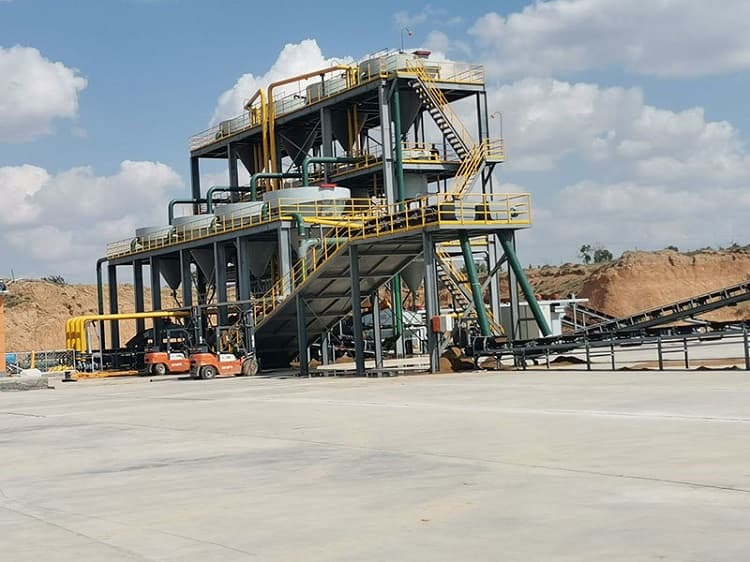
II. Stability of the Crushing Stage
Typical manifestations of instability in the crushing stage include: material jamming, machine blockages, poor particle shape, excessive over-crushing, and fluctuating production capacity.
Key Points for Stability
- Adhere to the principle of “more crushing, less grinding”: jaw crusher for coarse crushing → cone crusher/impact crusher for medium and fine crushing; ensure the crushing stage is fully optimized to reduce the load on the grinding stage;
- Install a pre-screening or pre-washing system before the crushing stage (when the raw ore has a high clay content) to prevent clay blockages;
- Install a buffer bin between the crushing and grinding stages to absorb fluctuations from upstream;
- Ensure the feeder provides a stable, continuous feed to avoid intermittent, erratic feeding that impacts the crushers;
- Select high-chromium alloy or wear-resistant materials for wear parts (jaw plates, hammer plates, liners) based on the abrasiveness of the feed material, and implement a scheduled replacement plan.
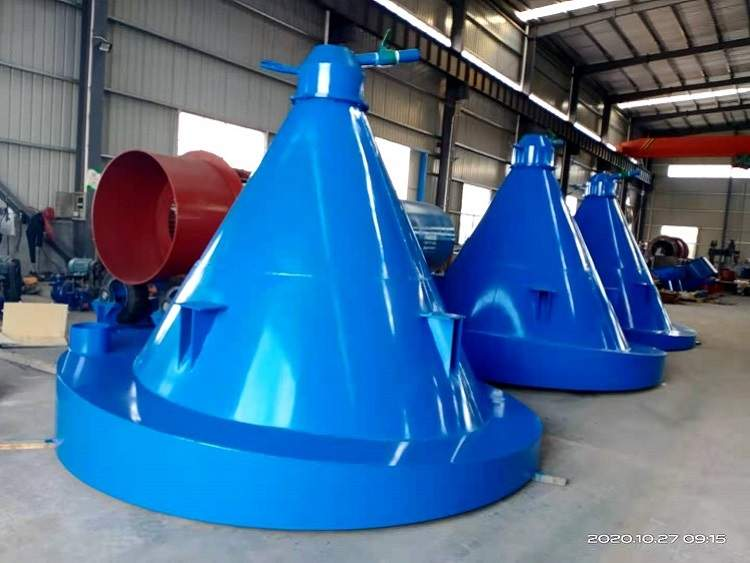
III. Stability of the Classification Section
Typical signs of instability in the classification stage include: fluctuations in particle size distribution, screen clogging, fine powder contamination in the final product, and production capacity limited by screening capacity.
Key Points for Stability
- Select circular vibrating screens and high-frequency vibrating screens with a capacity of 1.1–1.2 times the required throughput, allowing for a margin in screening area;
- Select screen mesh material and aperture size based on the target particle size; inspect and replace them regularly to prevent mesh breakage and grade mixing;
- Control slurry concentration and feed uniformity prior to classification, as concentration fluctuations directly affect classification efficiency;
- Configure multiple units in parallel for critical screening stages so that maintenance on a single unit does not affect the entire line;
- For products with strict particle size requirements (such as TFT substrate powder), configure multi-layer high-frequency vibrating screens or square oscillating screens for precision classification.
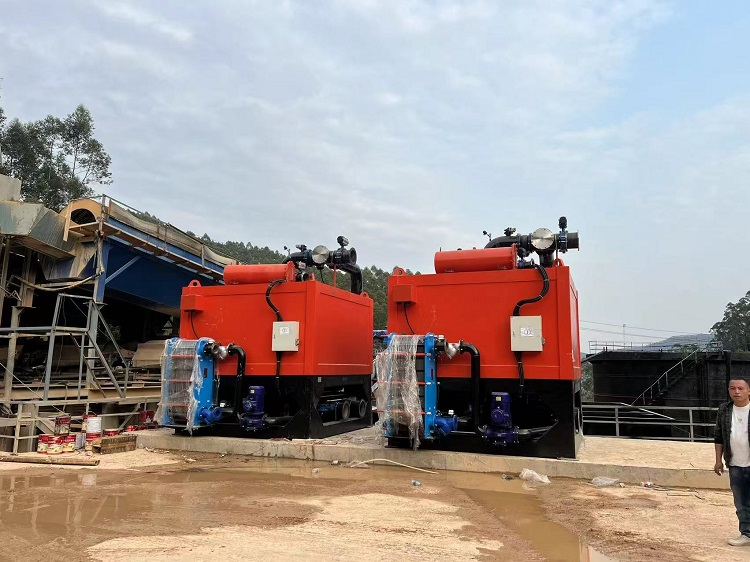
IV. Stability of the Magnetic Separation Section
Typical signs of instability in the magnetic separation section include: fluctuations in iron content, field strength attenuation, slurry blockages, and production line interruptions caused by individual unit failures.
Key Points for Stability
- Multi-stage cascaded configuration: Flat-bed magnetic separator for roughing → Vertical ring high-gradient magnetic separator for scavenging/refining → Electromagnetic slurry magnetic separator for deep iron removal, with field strength gradients reasonably configured;
- Multiple units of key equipment in parallel: For a production capacity of 70 metric tons per hour, a single magnetic separator cannot handle the entire slurry flow. Configure units in parallel based on flow rate so that continuous production is maintained by the remaining equipment during maintenance of any single unit;
- Stable Slurry Concentration and Flow Rate: Install a slurry adjustment tank before magnetic separation, as concentration fluctuations directly affect iron removal efficiency;
- Regular magnetic field strength testing: Magnetic media (steel wool, mesh plates) are regularly cleaned and replaced to prevent magnetic field strength decay;
- The number of magnetic separation stages and magnetic field strength are determined through testing to avoid over-specification or under-specification.
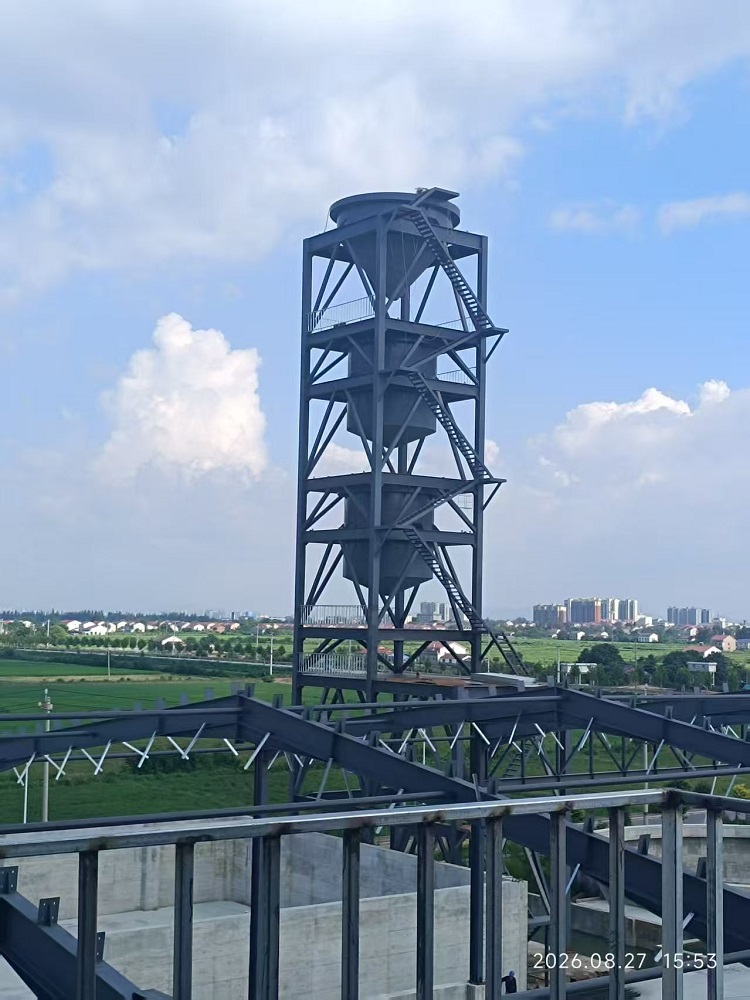
V. Series Stability: Coordination Among the Three Stages
When the crushing, classification, and magnetic separation stages are connected in series, the greatest concern is that “fluctuations in one stage will affect the entire line.”
Key Points for Stability
- Install buffer hoppers or slurry adjustment tanks between each stage to absorb fluctuations from upstream;
- Calculate hourly throughput at each node to identify bottlenecks and prioritize capacity expansion, thereby preventing “the front end running too fast while the back end cannot keep up”;
- Configure critical equipment in parallel to prevent a single-point failure from shutting down the entire line;
- Ensure full-line coordination through electrical control and automation systems, with focused monitoring of material levels, concentration, and flow rates at each node;
- Align design with manufacturing—equipment must be manufactured strictly according to process design drawings to avoid discrepancies such as “design drawings not matching equipment dimensions.”
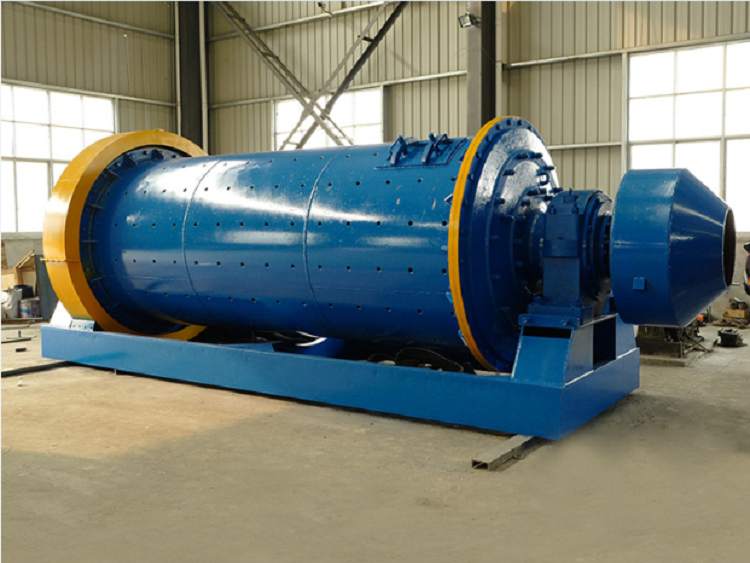
A 70-metric-ton-per-hour quartz sand crushing, classification, and magnetic separation line can achieve stable operation, but stability is not guaranteed by default. Stability depends on three key factors: equipment selected based on ore characteristics rather than inventory availability; parallel configuration of critical equipment to ensure continuity; and the inclusion of buffers at serial interfaces to prevent the transmission of process fluctuations.If these three elements are thoroughly implemented, it is entirely feasible for a 70-metric-ton-per-hour production line to operate at full capacity with stable performance indicators. Specific configuration lists and parameters are subject to the results of beneficiation test reports based on representative ore samples and the process design plan.
The stability of a 70-metric-ton-per-hour quartz sand crushing, classification, and magnetic separation line hinges on three key factors: whether equipment is configured based on the characteristics of the ore rather than inventory availability; whether multiple units of critical equipment are connected in parallel to ensure continuous operation; and whether buffers are installed at serial interfaces to prevent the transmission of fluctuations.First, clarify the feed and product specifications and market positioning; then, configure the three processing stages—crushing, classification, and magnetic separation—based on test data and ensure seamless integration. Only then can the production line operate at full capacity over the long term with stable performance metrics.