






Plan for Controlling Mud Content in a 600-Metric-Ton-Per-Day Quartz Sand Production Line
Plan for Controlling Mud Content in a 600-Metric-Ton-Per-Day Quartz Sand Production Line
A daily output of 600 metric tons (calculated based on 300 operating days per year, resulting in an annual output of approximately 180,000 metric tons; based on a 20-hour operating day, the hourly processing capacity is approximately 30 metric tons) represents a medium-to-large-scale quartz sand production line.Controlling the mud content is the aspect most often underestimated in such production lines—the quality of the mud not only directly affects the specifications of the finished product but also interferes with the effectiveness of magnetic separation, increases the consumption of flotation reagents, and reduces dewatering efficiency. This article focuses on mud content control.
I. First, Clarify: The Objectives and Scope of Mud Content Control
Controlling clay content is not simply a matter of “the cleaner, the better,” but rather involves setting reasonable limits based on the product\'s intended use. Sand for sheet materials and photovoltaic glass is highly sensitive to clay content and fine iron-bearing silt, while foundry sand places greater emphasis on clay content and particle shape. Only after target limits are established can the intensity of washing and sorting, as well as the process configuration, be determined.
At the same time, the scope must be clearly defined: if a daily output of 600 metric tons represents finished product capacity, and assuming a yield rate of 70%–90%, the raw ore processing capacity must be configured for 670–860 metric tons per day. All stages of mud content control should be scaled up accordingly, with a safety margin of 1.1–1.2 times.
The level of clay content in the raw ore—and whether the clay consists of clay or fine iron-bearing silt—determines the load on the washing and beneficiation section and the chemical dosing regimen. The plan must be based on test data from representative ore samples; the process should be determined only after thoroughly understanding the distribution characteristics of the clay.
II. Process Chain for Slime Content Control
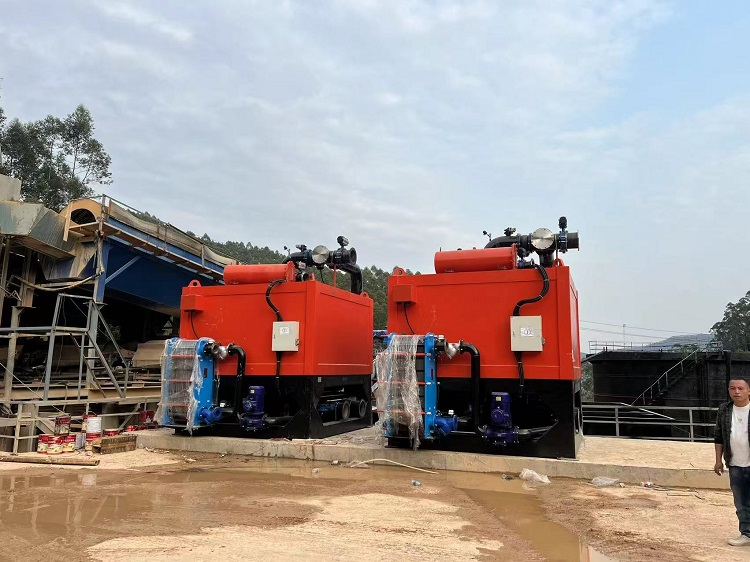
Silt content control spans the entire process chain from “pre-crushing—scrubbing—desliming—classification—dewatering.” The core principle is early desliming, multi-stage desliming, and ensuring that slurry does not recirculate.
1. Pre-crushing Pretreatment
When the raw ore has a high clay content, pre-washing or screening-based pre-de-silting should be implemented before crushing to prevent clay from clogging crushers and screens and to minimize compaction of clay during the crushing stage.
2. Scrubbing Stage (Core)
High-performance scrubbers, combined with ElevateSilica\'s proprietary scrubbing agent, strip away surface iron oxide and clay. Scrubber selection is based on raw ore throughput, with multiple units operated in parallel to ensure continuous operation; sufficient residence time is maintained after scrubbing to allow the agent to act fully. This is the first critical step in mud content control.
3. Desliming Section (Multi-Stage Configuration)
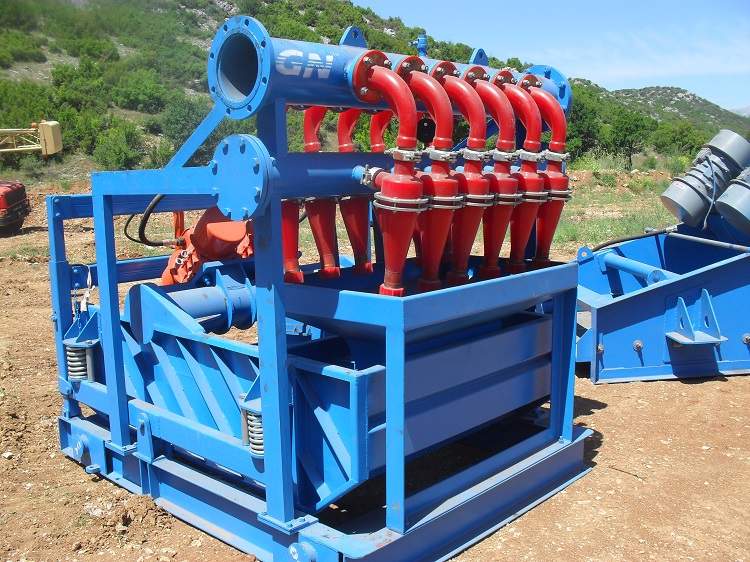
A combination of hydrocyclone banks, desliming hoppers, and bucket wheel sand washers provides multi-stage desliming. The key is to promptly discharge the removed slurry to prevent it from flowing back into the main process stream, thereby avoiding the accumulation of fine silt in the circulation loop. Hydrocyclone banks are configured in parallel according to processing capacity.
4. Classification Section
Circular vibrating screens and high-frequency vibrating screens perform classification while simultaneously aiding in desliming; the fine slurry from the undersize enters the slurry treatment system.
5. Dewatering Section
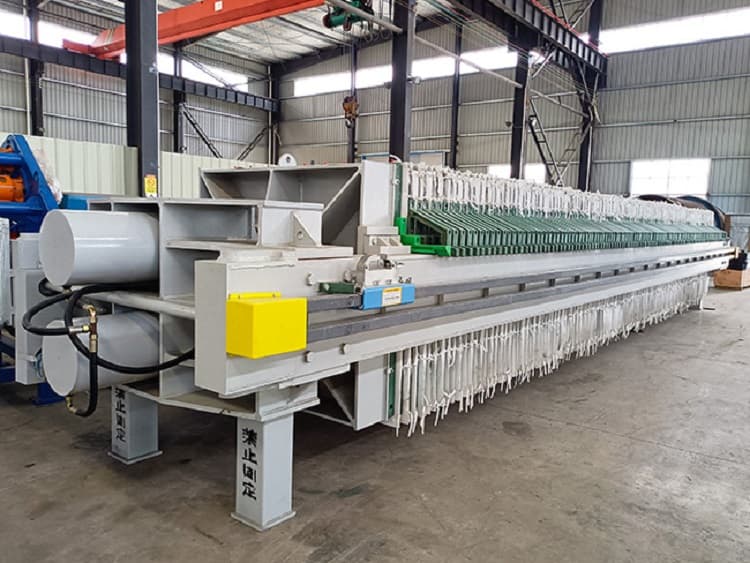
Thickener + filter press units treat slurry-laden wastewater; the clarified water is reused, and the sludge cake is transported off-site. The dewatering capacity must match the sludge removal rate from the upstream process; otherwise, slurry backlog will force a reduction in production.
6. Water System
Sand washing water is recycled; however, the silt content in the recycled water must be controlled. If necessary, install settling tanks or add chemicals for flocculation to prevent high-turbidity recycled water from reducing washing and beneficiation efficiency.
III. Key Control Points and Common Issues
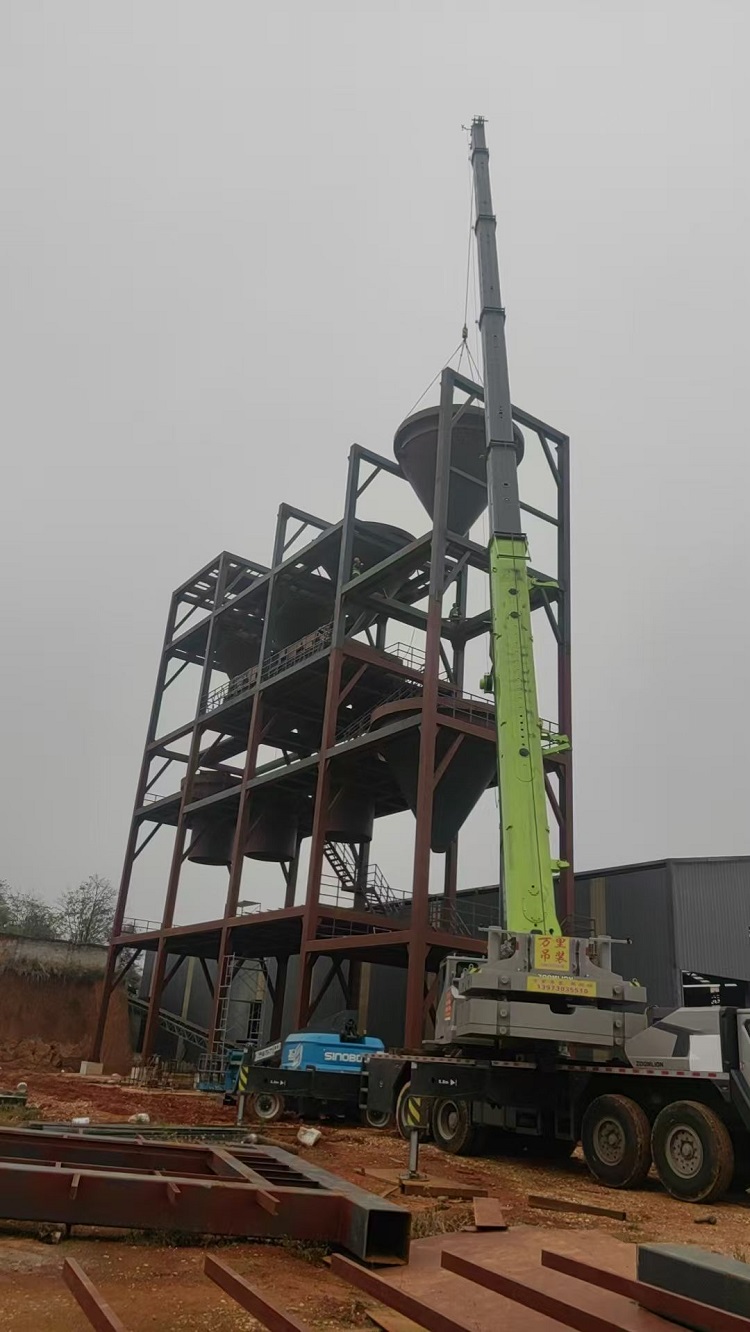
- Issue 1: Incomplete dewatering, resulting in fine slime entering the magnetic separation and flotation stages. Iron-containing fine slime interferes with the magnetic field strength and increases flotation reagent consumption. The solution is to implement multi-stage dewatering after scrubbing, install a slurry adjustment tank before magnetic separation and flotation, and monitor the slime content in the pulp.
- Issue 2: Slurry recirculation causes accumulation in the circuit. If dewatered slurry is recirculated into the main process, fine slime accumulates progressively. The solution is to route the slurry through a separate treatment system, with clear water reused and the sludge cake discharged.
- Issue 3: The dewatering section has become a bottleneck. High slime discharge at the front end combined with insufficient filter press capacity at the rear end leads to slurry backlog and reduced production. The solution is to select thickeners and filter presses with capacities 1.1 to 1.2 times the slime discharge rate and operate multiple units in parallel.
- Issue 4: High turbidity in the recirculating water affects washing and beneficiation. The solution is to install sedimentation or flocculation treatment for the recirculating water to control the turbidity of the reclaimed water.
- Issue 5: Significant fluctuations in the clay content of the raw ore. The solution is to install a pre-wash system or a buffer hopper before crushing to absorb these fluctuations; key equipment should be configured in parallel to ensure continuous operation.
IV. Key Points for Equipment Configuration
List of Core Equipment:
- Pre-washing/Pre-screening Equipment (to be installed when raw ore has high clay content)
- High-Power Scrubber (multiple units in parallel) + High-Efficiency Agitation Tank
- Hydraulic cyclone bank, desliming hopper, bucket wheel sand washer (multi-stage desliming)
- Circular vibrating screens, high-frequency vibrating screens (for grading and de-silting)
- Thickener, filter press, dewatering screen (slurry dewatering, capacity-matched)
- Settling Tanks/Flocculation Chemical Dosing System (for controlling turbidity in recirculating water)
- Pumps, Piping, Valves (wear-resistant flow components; slurry piping designed to prevent clogging)
- Electrical Control and Automation (slurry concentration and flow rate monitoring)
The key to controlling the mud content in 600 metric tons of daily quartz sand production lies in three principles: early de-silting, multi-stage de-silting, and preventing slurry recirculation. Only by ensuring adequate scrubbing chemicals, a multi-stage de-silting configuration, properly matched dewatering capacity, and controlled turbidity in the recirculating water can the mud content consistently meet standards.The specific configuration list and parameters are subject to the mineral processing test report based on representative ore samples and the process design plan; it is recommended to submit samples as early as possible to initiate testing.
The core of the mud content control plan for a 600-metric-ton-per-day quartz sand plant is to first set reasonable mud content limits based on product specifications and clearly define the specifications for finished products and raw ore,followed by the configuration of equipment across the entire process chain—“pre-washing before crushing → scrubbing → multi-stage desliming → classification → dewatering → water system”—adhering to the principles of early desliming, multi-stage desliming, and preventing slime recirculation, while simultaneously controlling dewatering and circulating water turbidity. The final plan shall be subject to the mineral processing test report.