






Equipment List for a 40-metric-ton-per-hour Quartz Sand Washing, Acid Treatment, and Drying Line
Equipment List for a 40-Metric-Ton-Per-Hour Quartz Sand Washing, Acid Treatment, and Drying Line
“Washing, Acid Treatment, and Drying” refers to the three-stage process of water washing (scrubbing and desliming), acid treatment, and drying, which constitutes the core purification and post-processing chain for transforming quartz sand from raw ore into finished product.An hourly output of 40 metric tons (calculated based on 300 operating days per year at 20 hours per day, resulting in an annual output of approximately 240,000 metric tons) falls within the medium-scale production line category. This article organizes the equipment list according to the three stages: washing, acid washing, and drying.
I. Configuration Prerequisites
Capacity Confirmation: If the 40 metric tons per hour represents finished product output, and assuming a yield rate of 70%–90%, the raw ore processing capacity must be configured at 45–57 metric tons per hour. Equipment for each stage should be scaled accordingly, with a safety margin of 1.1–1.2 times the calculated capacity.
Product Specification: Whether the product is intended for photovoltaic/ultra-clear glass sand (Fe₂O₃ ≤ 0.008%), panel sand, or foundry sand determines whether acid washing is required, the chemical treatment regimen for the washing stage, and the drying activity.The form in which iron is present in the raw ore (surface iron film, weakly magnetic associated ore, or crystal lattice inclusions) determines the load on the acid leaching, washing, and drying stages. The equipment list must be based on mineral processing test data.
II. Wash Section (Scrubbing, Desliming, and Water Washing) Configuration
Core Equipment List
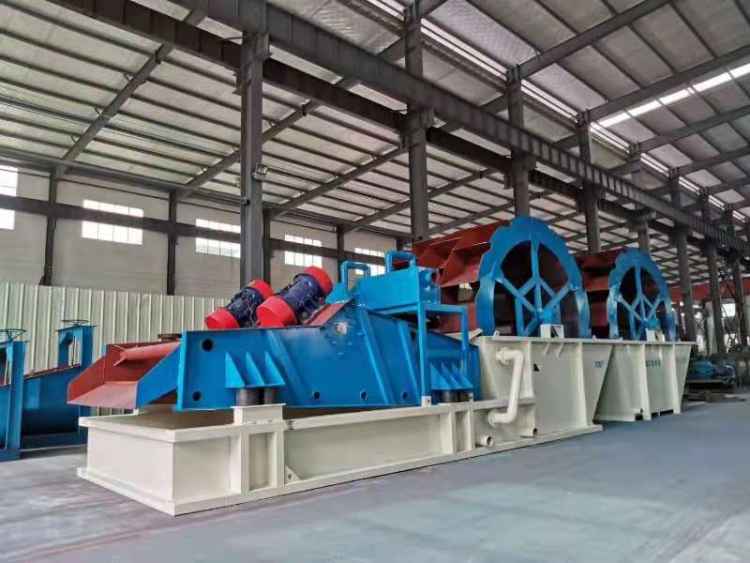
- High-Performance Scrubber: 1–2 units, selected based on raw ore throughput; equipped with ElevateSilica\'s proprietary scrubbing reagent to strip surface iron film and clay
- High-Efficiency Agitation Tank: For reagent dispersion and to ensure adequate retention time
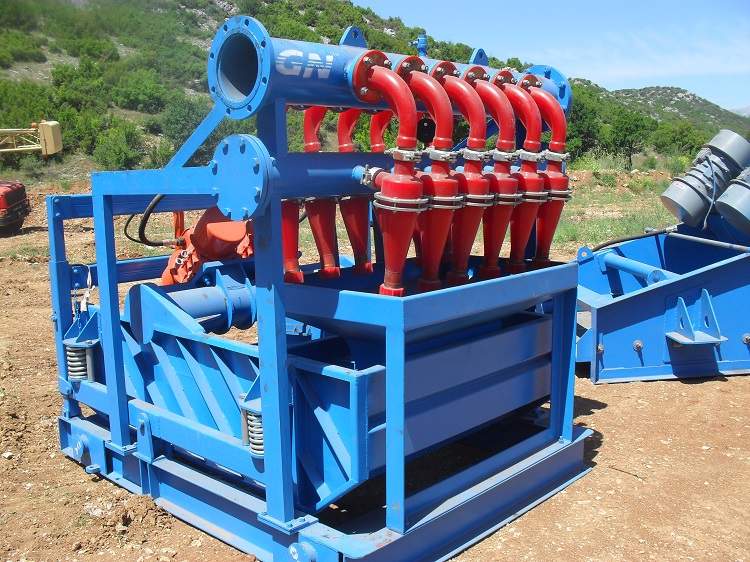
- Hydrocyclone Bank and Desliming Hopper: Remove iron-containing fine slime to prevent interference in the acid washing section
- Bucket-wheel Sand Washer: Auxiliary water washing
- Circular Vibrating Screen/High-Frequency Vibrating Screen: For grading in conjunction with water washing
- Supporting Equipment: Pumps, piping, and water recirculation system; flow-through components made of high-chromium alloy or wear-resistant rubber
Key Points: The more thoroughly sludge is removed in the washing section, the lower the acid washing load and chemical consumption; timely sludge removal after scrubbing is critical.
III. Acid Section (Acid Washing and Purification) Configuration
List of Core Equipment
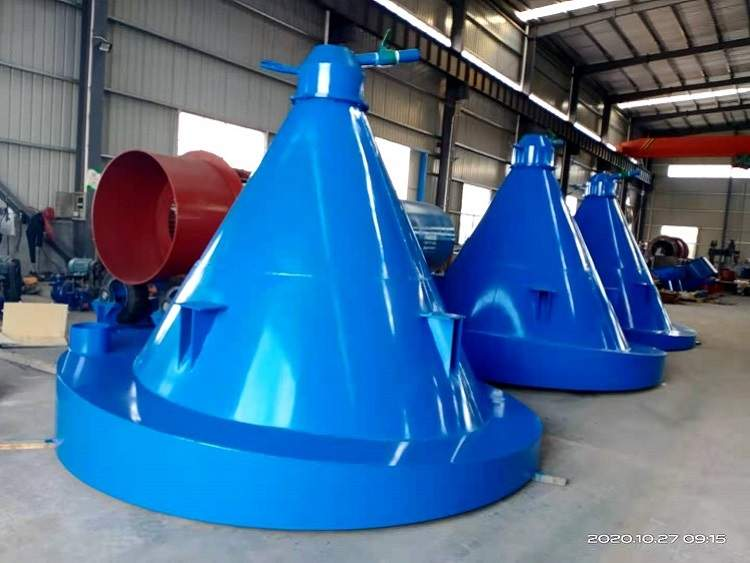
- Acid Washing Reactors: Corrosion-resistant lining (stainless steel or corrosion-resistant coating, selected based on the chemical system); 1–2 units, sized according to processing capacity
- Countercurrent Scrubber/Belt Filter: For deep washing after acid washing to control residues
- Waste Acid Neutralization Tank/Neutralization System: Mandatory environmental protection equipment
- Negative-Pressure Absorption Tower for Fluorine-Containing Exhaust Gas: Mandatory if a fluorinated acid system is used
- Pickling Tanks and Chemical Dosing System: For chemical preparation and metered dosing
- Supporting Equipment: Acid-resistant pumps, piping, and valves; upgrade to corrosion-resistant materials
Key Points: The acid leaching section is a key focus of environmental approval; the neutralization of waste acid and the absorption of exhaust gases must be designed and funded concurrently with the main project. In regions with strict environmental regulations, consider evaluating an “magnetic separation + proprietary flotation” alternative to acid leaching to reduce compliance risks.
IV. Drying Section (Dehydration and Drying) Configuration
List of Core Equipment
- Thickener: Concentration of slurry after acid washing and scrubbing
- Filter Press: Dewatering; control of filter cake moisture content
- Dewatering Screen: Auxiliary dewatering
- Dryer: Selected based on processing capacity and final moisture content requirements; heat source selected according to local energy conditions (natural gas/electricity/biomass)
- Supporting Equipment: Dust collection system, conveying equipment
Key Points: Match the drying capacity to the efficiency of upstream dewatering to prevent the dryer from becoming a bottleneck; heat source costs constitute the largest portion of long-term operating expenses, so carefully calculate energy consumption when selecting equipment.
V. Series and Auxiliary Configurations
Configuration Key Points
- Buffer Design: Install buffer silos or slurry tanks between the washing section and the acid treatment section, and between the acid treatment section and the drying section, to absorb fluctuations
- Parallel Configuration of Key Equipment: Install multiple units of equipment such as acid washing tanks and filter presses to ensure uninterrupted operation during maintenance of individual units
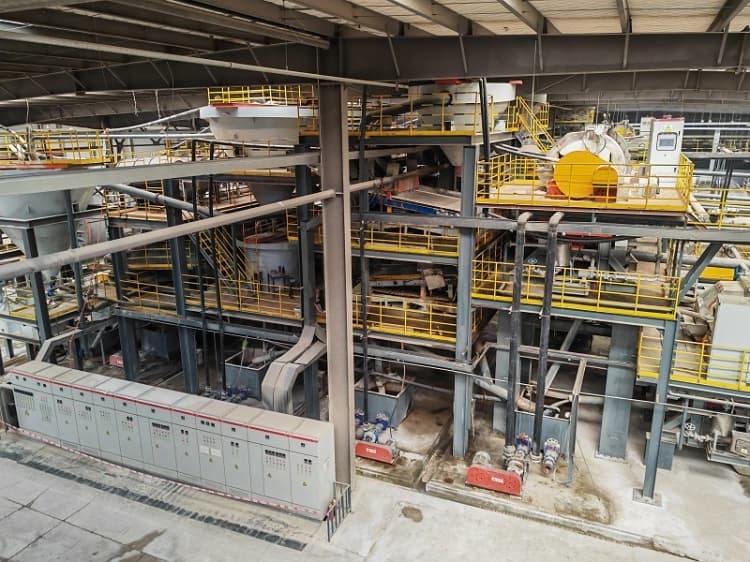
- Electrical Control and Automation: Stable control of chemical dosing, acid concentration, temperature, and drying parameters
- Environmental Protection System: Unified planning for the reuse of waste acid, exhaust gases, and wastewater
The core of a 40-metric-ton-per-hour acid washing and drying configuration lies in: thorough slime removal in the washing section to reduce load; simultaneous implementation of environmental protection measures in the acid section; and matching the heat source with the dewatering capacity in the drying section. The specific equipment list, number of units, and material selection must be based on the mineral processing test report for representative ore samples and the process design plan.Preliminary testing and design fees can be fully offset against the cost of equipment or EPC contracts signed at a later stage; it is recommended to submit samples as early as possible to initiate testing.
The core of the 40-metric-ton-per-hour quartz sand acid washing and drying configuration is to first clarify the product specifications and the distribution of iron in the ore. Equipment is configured in three stages according to the sequence: “scrubbing and desliming → acid washing and purification → dewatering and drying”:In the washing stage, chemical de-silting must be thorough to reduce the acid washing load; in the acid washing stage, environmental protection systems for waste acid and exhaust gases must be designed concurrently; and in the drying stage, the heat source must be matched to the dewatering capacity. Buffer tanks and key equipment are configured in parallel across all stages, with the final equipment list subject to the mineral processing test report.