


Quartz Sand Processing Plant with a Capacity of 100 Metric Tons per Hour: Scrubbing, Magnetic Separation, and Flotation Configuration
Quartz Sand Processing Line with an Hourly Capacity of 100 Metric Tons: Scrubbing, Magnetic Separation, and Flotation Configuration
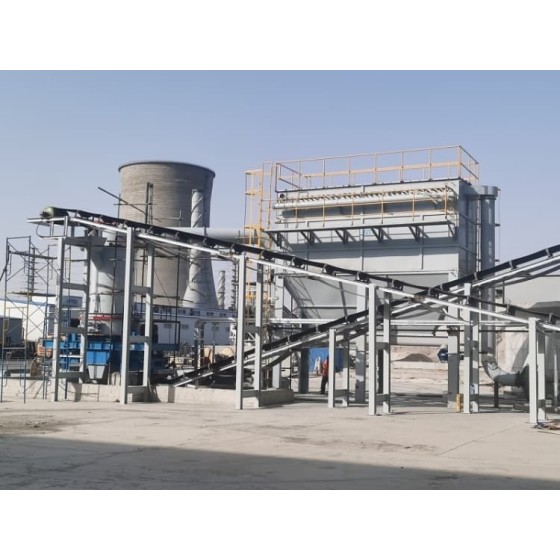
An hourly output of 100 metric tons (calculated based on 300 operating days per year at 20 hours per day, resulting in an annual output of approximately 600,000 metric tons) represents a medium-to-large-scale quartz sand production line.Scrubbing, magnetic separation, and flotation are the three core processes that determine the product specifications in this production line—scrubbing removes the surface iron film, magnetic separation removes weakly magnetic minerals, and flotation separates feldspar and mica while treating black spots. This article outlines the key configuration points based on these three stages.
I. Configuration Prerequisites: Product Specifications and Raw Ore Conditions
The configuration for a 100-metric-ton-per-hour production line cannot be separated from two key factors: what the target product is and the nature of impurities in the raw ore.
For panel-grade sand
The focus is on using flotation to remove black spots caused by tourmaline and hornblende, and on scrubbing to maintain whiteness.
For photovoltaic/ultra-clear glass sand
The focus is on magnetic separation to achieve multi-stage, stepwise iron reduction; flotation can serve as an alternative to acid washing.
For foundry sand or ordinary glass sand
The process primarily involves scrubbing to remove clay and magnetic separation; flotation may be included depending on the impurity profile.
Whether the iron in the ore consists of a surface iron film, weakly magnetic associated minerals, or crystal lattice inclusions directly determines the scrubbing reagent regimen, the number of magnetic separation stages, and whether flotation is required. The equipment list must be based on mineral processing test data and cannot be copied directly from similar projects.
Additionally, the capacity must be clarified: if the 100 metric tons per hour refers to finished product output, with a yield rate of 70%–90%, the raw ore processing capacity must be configured at 110–140 metric tons per hour; equipment selection for all three processing stages should be scaled up accordingly.
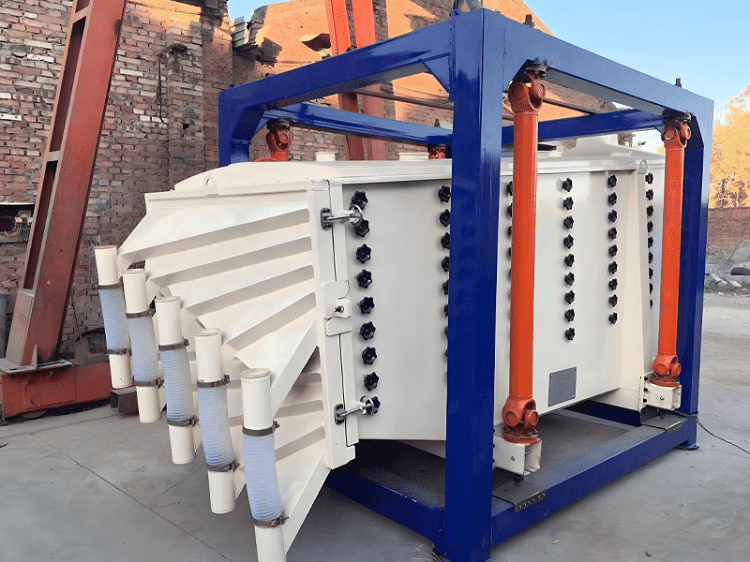
II. Scrubbing Stage Configuration
Core Equipment: High-intensity scrubbers (multiple units in parallel or a single large-capacity unit, selected based on raw ore throughput), high-efficiency agitation tanks (for reagent dispersion), hydrocyclone banks, desliming hoppers, bucket wheel sand washers, and high-frequency vibrating screens.
Configuration Highlights:
- Introduce ElevateSilica\'s proprietary scrubbing reagent to effectively remove surface iron film and clay, thereby reducing the load on subsequent magnetic separation and flotation processes;
- Promptly de-silt after scrubbing to prevent iron-containing fine silt from entering the magnetic separation stage and interfering with magnetic field strength;
- Ensure sufficient retention time between the scrubber and the agitation tank to allow the reagent to act fully;
- Select high-chromium alloy or wear-resistant rubber for equipment flow components to ensure longevity when processing abrasive materials.
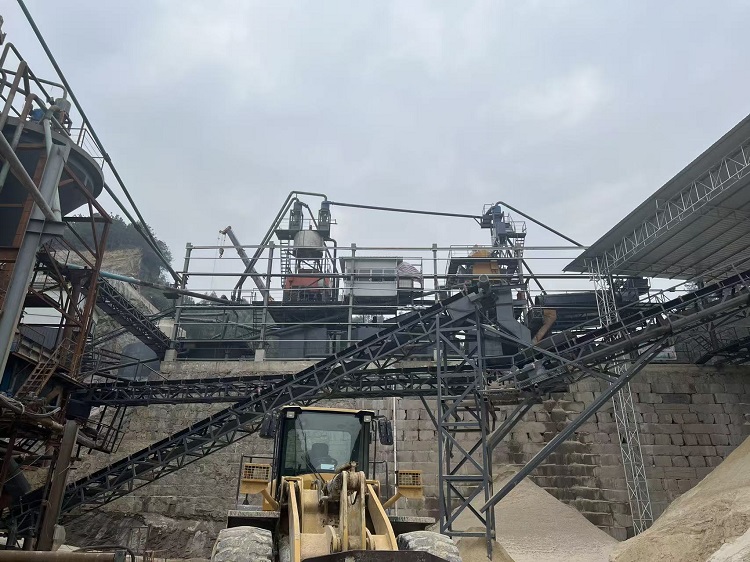
III. Magnetic Separation Section Configuration
Core Equipment: Flat-bed magnetic separator (6,000 Gs class, roughing); vertical ring high-gradient magnetic separator (scanning/concentration, removal of weakly magnetic minerals); electromagnetic slurry magnetic separator (deep iron removal, configured based on specifications).
Configuration Key Points:
- Multi-stage cascading configuration: Coarse separation → Sweep separation → Fine separation. Photovoltaic and ultra-white glass sand grades typically require 2–3 stages of magnetic separation;
- Multiple Key Units in Parallel: For a production capacity of 100 metric tons per hour, a single unit cannot handle the entire slurry flow; magnetic separators are configured in parallel based on flow rate, ensuring continuous production by the remaining units during maintenance of any single unit;
- Stable slurry concentration and flow rate: Install a slurry adjustment tank before magnetic separation to ensure consistent magnetic field strength across all stages;
- The number of magnetic separation stages and the magnetic field strength gradient are determined based on test data to avoid over-capacity or under-configuration.
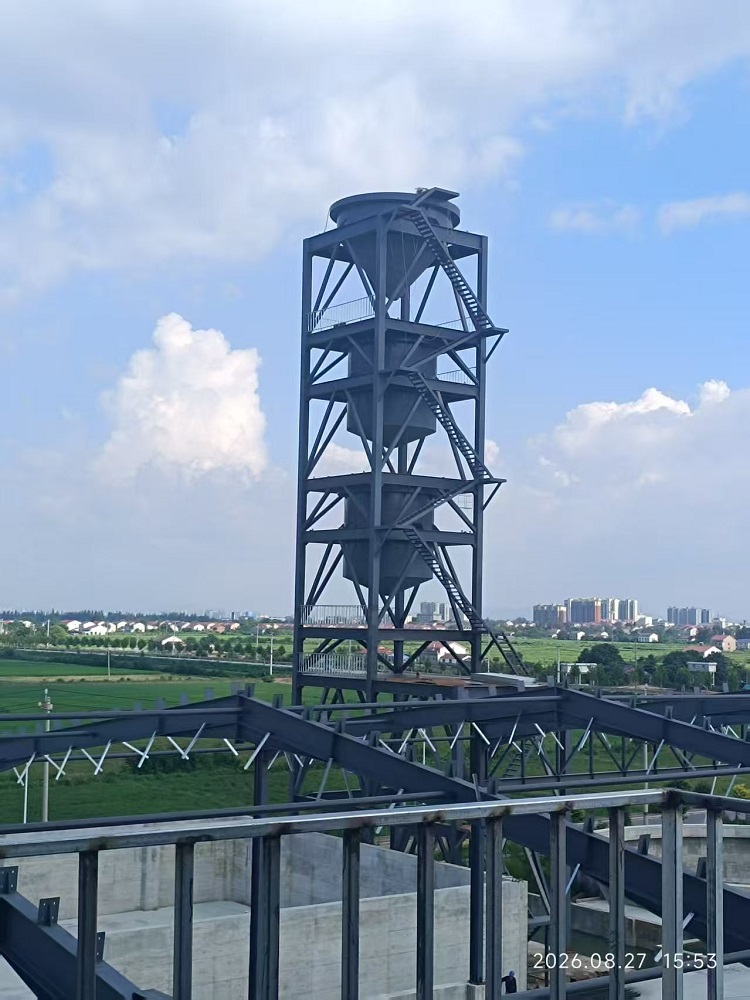
IV. Flotation Circuit Configuration
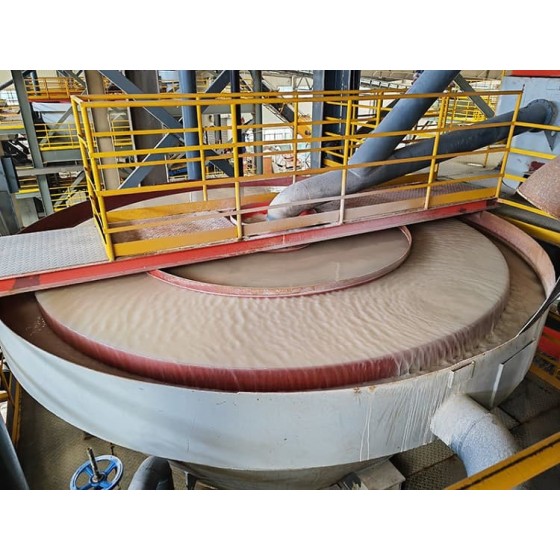
Core Equipment: Large-scale aerated mechanically agitated flotation cells (multiple cells in parallel), automated chemical dosing system, slurry adjustment tanks, and concentrate/tailings thickeners.
Configuration Highlights:
- ElevateSilica\'s proprietary flotation reagents and technology are used to separate quartz from feldspar, mica, and iron-bearing minerals, specifically addressing black spots caused by tourmaline and amphibole;
- Reasonably arrange flotation intervention points: set them after scrubbing and before or after magnetic separation according to process design; for large-scale flotation, ensure stable feed supply;
- An automated dosing system ensures a stable reagent regimen, which is key to maintaining consistent performance metrics in large-scale flotation;
- In environmentally sensitive areas, “magnetic separation + proprietary flotation” replaces traditional acid leaching, reducing the risk of waste acid discharge;
- Equip flotation concentrates and tailings with thickeners to enable the recycling of return water.
V. Series and Auxiliary Configuration
Buffer Design: Install slurry adjustment tanks or buffer hoppers between the scrubbing and magnetic separation stages, as well as between the magnetic separation and flotation stages, to absorb fluctuations from upstream processes.
Capacity Margin: Each section is sized to handle 1.1–1.2 times the raw ore throughput.
Auxiliary Systems: Pumps, piping, and valves are selected based on flow rates at each node; flow-through components are corrosion-resistant and wear-resistant; electrical control and automation systems ensure stable control of chemical dosing, magnetic field strength, and slurry concentration.
Dewatering Section Equipment: Thickeners, filter presses, dewatering screens, and dryers are matched to the capacity of the preceding stages to prevent the finished product section from becoming a bottleneck.
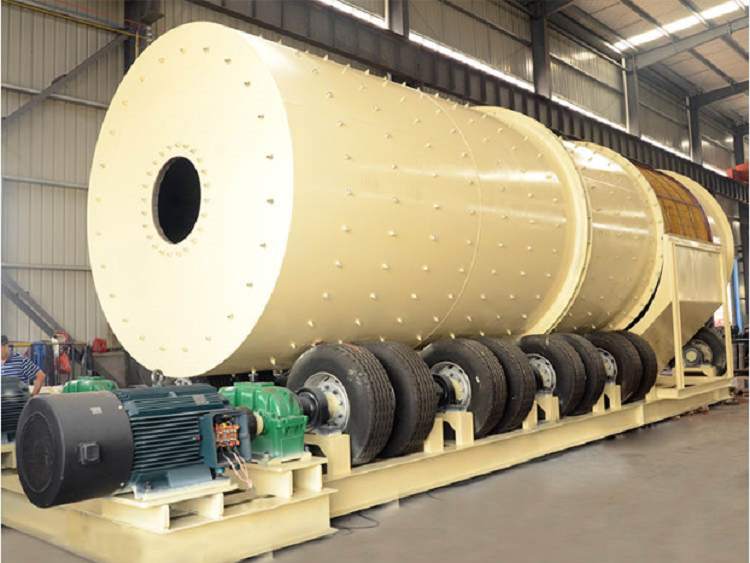
The configuration for a 100-metric-ton-per-hour quartz sand washing, magnetic separation, and flotation process centers on three key elements: adequate reagent dosing and desliming in the washing section; multi-stage, cascaded, and parallel magnetic separation to ensure continuous operation; and a stable reagent regimen in the flotation section.The specific equipment list, number of units, and selection parameters are subject to the mineral processing test report based on representative ore samples and the process design plan. Preliminary testing and design fees can be fully offset against the cost of subsequent equipment or EPC contracts; it is recommended to submit samples as early as possible to initiate testing.
The core of a 100-metric-ton-per-hour quartz sand washing, magnetic separation, and flotation configuration is to first clarify the product specifications and the distribution of impurities in the ore,followed by the modular configuration of equipment according to the sequence “scrubbing and desliming → multi-stage magnetic separation → flotation purification.” It is essential to ensure effective scrubbing and desliming with appropriate reagents, maintain continuous operation through a combination of series and parallel multi-stage magnetic separation, and ensure a stable flotation reagent regimen. Finally, the final equipment list and quantities will be determined based on the mineral processing test report.