


Analysis of an Exclusive Chemical Solution for Iron Removal and Whitening, and a Mechanical Line for Iron Reduction and Purification Using Low-Iron Quartz Sand
I. What Are the Challenges in Flotation Purification of High-Iron-Content Quartz Sand?
The challenge in flotation purification of high-iron-content quartz sand lies in the fact that iron is not a single substance.
Coarse, discrete iron minerals can be removed to a significant extent through magnetic separation.The real challenge lies in three types of “hidden iron”: thin films of iron oxides adhering to the surface of quartz grains; iron impurities embedded in quartz fractures and cleavage planes; and structural iron within iron-bearing silicate minerals, where the iron is an integral part of the crystal and cannot be separated no matter how finely the material is ground.
These three types of iron exhibit weak magnetic properties, have densities close to that of quartz, and display surface properties similar to quartz. Magnetic separation has limited effectiveness, and gravity separation is essentially powerless against them.The reason why flotation purification of high-iron-content quartz sand has been repeatedly discussed is precisely because flotation relies on surface chemical differences for separation, making it one of the more effective methods for dealing with interstitial iron and iron-bearing silicate minerals.
To determine whether a plan for iron removal and whitening is appropriate, the first step is not to ask “what reagents to use,” but rather to first clarify: among the iron in the ore, what proportion consists of free iron minerals, and what proportion consists of disseminated iron and structural iron? Without clarity on this ratio, subsequent process design is prone to errors.
Based on the form in which iron is present, feed materials for flotation purification of high-iron-content quartz sand can be broadly divided into three categories: surface iron film and clay-adhered types, which are primarily treated with scrubbing, desliming, and magnetic separation; disseminated iron and fissure-stained types, which require a combination of magnetic separation and flotation, with flotation serving as the core process;silicate-bound structural iron types, which require fine grinding and liberation followed by flotation combined with deep iron removal. Even though they are all classified as “high-iron-content,” the load on the flotation circuit and the choice of reagents differ completely depending on the category.
II. The Core Logic of the Proprietary Chemical Iron Removal and Whitening Solution
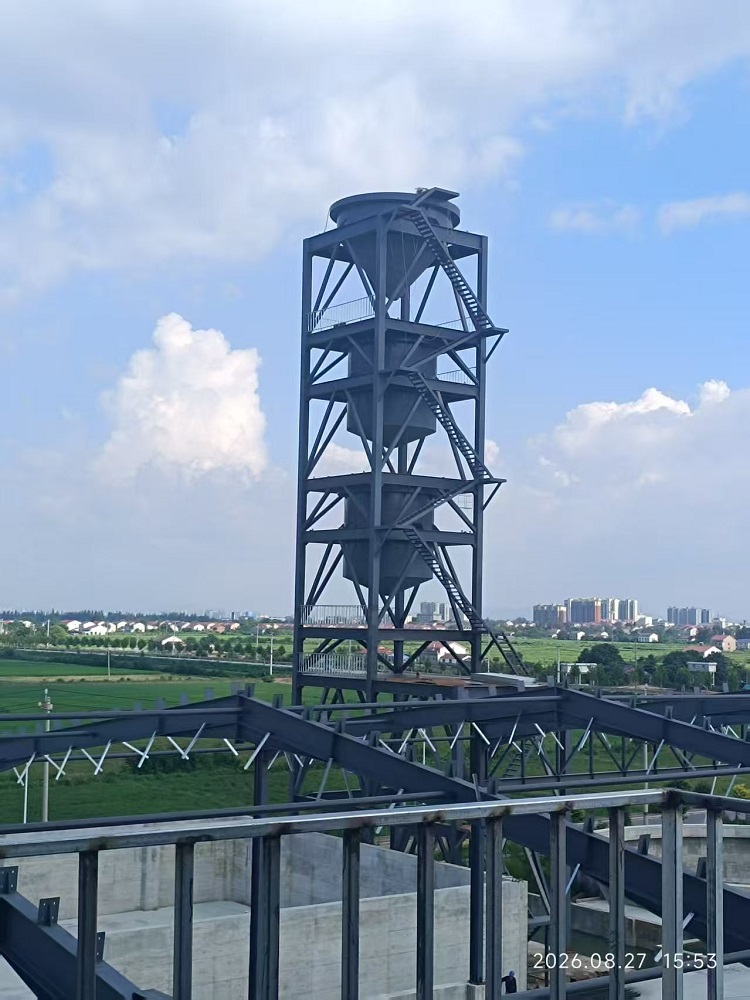
The core of our proprietary chemical iron removal and whitening solution does not lie in any single compound, but rather in the overall formulation and dosing regimen of “inhibitors + collectors + modifiers.”
Traditional flotation iron removal approaches follow two paths: counter-flotation of iron-bearing minerals under acidic conditions, or counter-flotation of feldspar and mica using amine collectors. The former causes significant equipment corrosion and places heavy pressure on waste liquid treatment, while the latter results in difficult-to-disperse foam and requires high operational precision.
Our proprietary iron removal and whitening solution shifts to a positive flotation approach under neutral conditions: rather than floating iron, it suppresses iron-bearing minerals and allows quartz to float.
The core mechanism lies in the selective adsorption of inhibitors. Inhibitors such as starch-based modified agents, organic chelating agents, and lignosulfonates preferentially act on the surfaces of iron-bearing minerals in a near-neutral pulp environment, keeping them hydrophilic;while the quartz surface, after interacting with the collector, becomes hydrophobic and floats to the top, thereby achieving the separation of quartz from iron-bearing minerals.
The value of this approach lies in its particularly effective performance on quartz sand contaminated with iron oxide; it requires no acid adjustment, and equipment corrosion and environmental pressures are relatively manageable.Neutral flotation has specific particle size requirements; feed material generally needs to be ground to below -0.6 mm, preferably -0.5 mm. If liberation is insufficient, the reagents will have difficulty contacting the target minerals.
The “exclusive” aspect of our proprietary chemical-based iron removal and whitening solution lies in the adjustment of chemical ratios and dosing sequences tailored to specific ores. There is no one-size-fits-all formula; only formulations matched to the characteristics of the ore will work. Dosing points, agitation time, and pulp concentration all affect the final iron removal and whitening results.
III. Process Configuration for the Low-Iron Quartz Sand Mechanical Processing Line
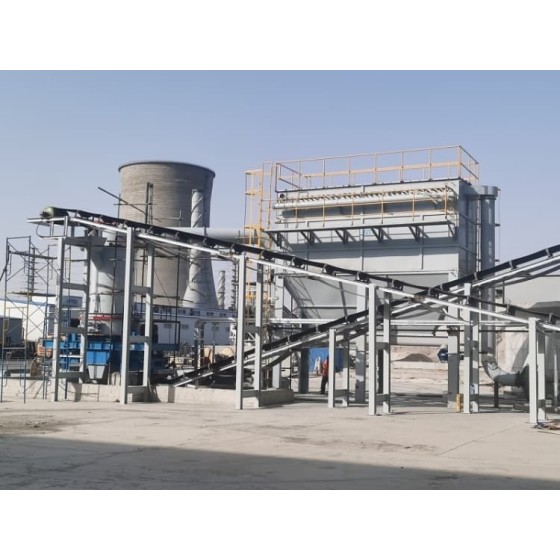
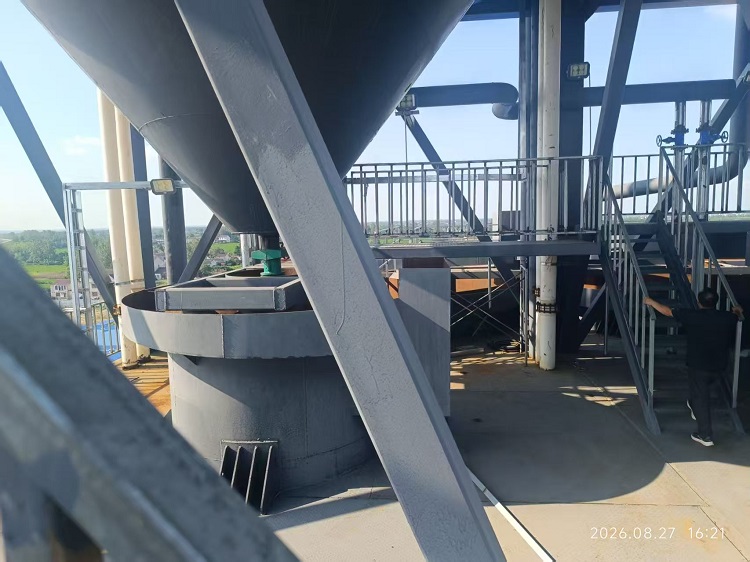
The low-iron quartz sand mechanical processing line solution is not merely a matter of selecting individual pieces of equipment, but rather involves the design of the interconnections between process steps.
Grinding and Scrubbing Section: Grinding controls the liberation particle size, while scrubbing is responsible for mechanically stripping the surface iron film; ultrasonic scrubbing aids in stripping iron impurities trapped within fissures. The objective of this section is not to directly reduce iron content, but to create processable feed conditions for magnetic separation and flotation.
Magnetic Separation Section: After scrubbing, the material enters a strong magnetic separator. The magnetic field strength is determined based on the magnetic characteristics of the ore. This section primarily removes free iron minerals and iron slime dislodged during scrubbing, thereby reducing the load on the flotation section.
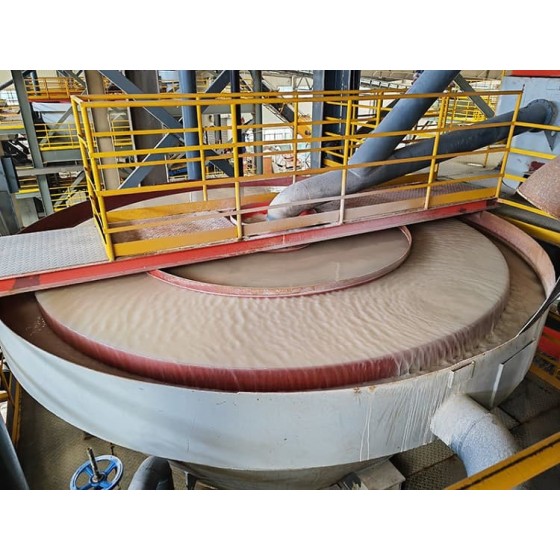
Flotation Section: The magnetic separation concentrate enters the flotation stage, which is the core process where the proprietary chemical iron removal and whitening scheme takes effect. Under neutral conditions, a suppressant is first added and stirred to selectively suppress the surfaces of iron-bearing minerals; subsequently, a collector and frother are added, causing quartz to float to the surface as the froth product, while iron-bearing minerals remain at the bottom of the cell.
Deep Iron Removal Stage: If the product still falls short of the target specifications after flotation, acid leaching may be considered as a backup measure. Oxalic acid is somewhat effective against surface iron, while mixed acids can remove iron trapped in fissures; however, due to significant environmental pressures, these methods should be used cautiously as a last resort.
The design principle for mechanical processing lines for low-iron quartz sand is that each stage addresses a specific level of the problem; one should not expect a single process step to complete the entire iron-reduction and purification task. The coordination of particle size distribution, concentration levels, and recirculated water flow between process steps often has a greater impact on the stability of the entire line than the performance of individual machines.
IV. Priorities for Iron Reduction and Purification by Application Industry
Different downstream industries have markedly different requirements for iron content, whiteness, and particle size; consequently, the configuration priorities for flotation purification of high-iron quartz sand and mechanical processing lines for low-iron quartz sand also differ.
Engineered quartz slab industry: Focus is on whiteness, black spots, and particle size distribution. Iron oxide films and black spot minerals such as tourmaline and amphibole are the primary concerns. The flotation stage\'s contribution to improving whiteness is often more immediately apparent than that of iron reduction alone.
Photovoltaic Glass and Ultra-White Glass Industries: The focus is on the impact of iron content on light transmittance and green tint; strict upper limits are imposed on Fe₂O₃.This is the scenario where our proprietary chemical iron removal and whitening solution integrates most closely with the low-iron quartz sand mechanical processing line. Multi-stage magnetic separation bears the primary load, while the flotation stage is responsible for further reducing iron-stained particles; in some projects, flotation replaces or reduces the need for acid washing.
Optical Glass and Electronic Display Industries: In addition to iron removal, these sectors have higher requirements for particle size distribution and the stability of impurity elements. Iron reduction and purification must be coordinated with precision classification, and the stability of the flotation stage directly affects batch consistency.
High-purity sand and raw materials for photovoltaics and optical communications: These applications impose simultaneous requirements on iron and various impurity elements. A single flotation process cannot achieve this independently; it typically requires a combined approach involving magnetic separation, flotation, acid leaching, or calcination followed by acid leaching. In this context, flotation serves as a bridge, creating low-load conditions for the deep iron removal stage.
Foundry sand and traditional industrial sand applications: Stability in clay content, particle shape, and silicon content are the primary concerns, while iron specifications are relatively lenient. Mechanical processing solutions for low-iron quartz sand typically involve cost-effective combinations of scrubbing for de-silting and magnetic separation.
Breaking down process priorities by industry essentially involves decomposing “iron reduction and purification” into the specific indicators that matter most to each sector, and then working backward to determine the required level of configuration for each section of the processing line.
V. Key Factors Affecting Iron Reduction and Purification Efficiency and Common Issues
Particle Size and Disassociation: Flotation is sensitive to particle size. If particles are too coarse, disassociation is insufficient and reagents cannot act effectively; if too fine, slime formation increases and selectivity decreases. The grinding fineness must be determined through testing.
Reagent Regimen: Insufficient inhibitor dosage results in incomplete suppression of iron-bearing minerals; excessive dosage may also suppress quartz. Dosing sequence, agitation time, and pulp concentration all affect the final indicators.
Pulp pH and Water Quality: Neutral flotation does not require acid adjustment; however, the natural pH of the pulp is influenced by water quality and the ore, so it must be confirmed through actual testing. The accumulation of residual reagents and ions in the return water may affect selectivity, so reagent dosage must be regularly monitored and adjusted.
Common Issue 1: Low concentrate yield after flotation. This is often caused by excessive inhibitor dosage, which results in the co-inhibition of quartz, or by insufficient grinding fineness, preventing adequate quartz liberation. It is recommended to first examine the particle size distribution and then verify the inhibitor dosage.
Common Issue 2: The flotation foam is sticky and difficult to defoam. This is often related to the choice of collector; amine-based collectors produce foam that is inherently difficult to eliminate, and their stability increases further when the slime content is high. Adjust the collector system or enhance desliming before flotation.
Common Issue 3: Iron content remains high after magnetic separation; can flotation further reduce it? This depends on the state of the residual iron. When the iron is primarily in the form of impregnated iron and iron-bearing silicates, there is room for reduction through flotation combined with a targeted chemical regimen; however, when the iron is primarily in the form of lattice-bound iron, the effectiveness of flotation is limited.
VI. Recommendations for Selecting Iron-Reduction and Purification Schemes
The flotation purification and iron-reduction of high-iron-content quartz sand essentially boil down to matching the ore characteristics with the appropriate process route.
Magnetic separation and flotation are not simply interchangeable alternatives that can be compared based on cost alone. Magnetic separation addresses differences in magnetic properties, while flotation addresses differences in surface properties. Impurities such as feldspar and mica have densities and magnetic properties similar to those of quartz, making them difficult to separate by magnetic separation; in contrast, flotation can be effective by leveraging differences in surface chemistry.When selecting a process, the core process should be determined based on the most difficult-to-treat impurity type.
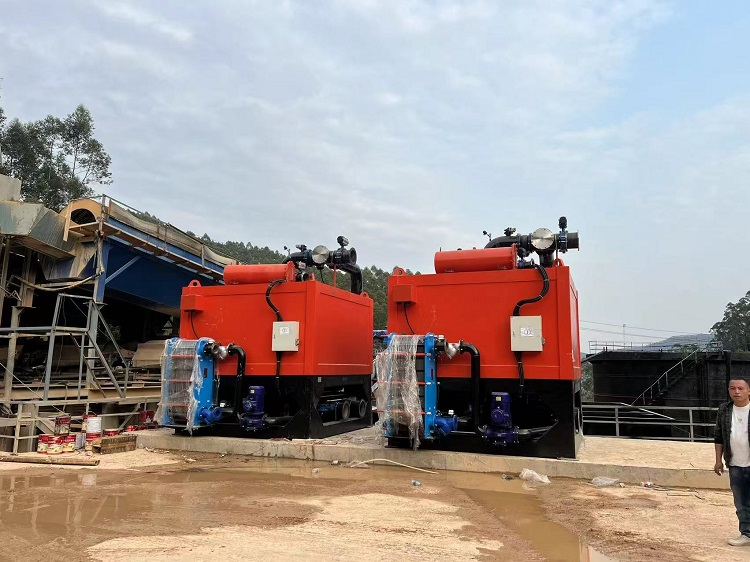
When configuring a mechanical processing line for low-iron quartz sand, it is recommended to follow the principle of “diagnosis first, design later.” The form of iron, particle size distribution, and types of associated minerals determine the load distribution between magnetic separation and flotation, as well as the selection of reagents.The value of our proprietary chemical-based iron removal and whitening solution lies in providing tailored reagent formulations and process parameters for specific ores, rather than applying generic formulas.
If you are currently advancing a flotation purification project for high-iron-content quartz sand, or need to design an iron-reduction and purification solution for a specific ore, please compile and submit the basic ore data, including iron content, iron occurrence state, particle size distribution, and target product specifications.Based on the ore\'s characteristics, we will provide configuration recommendations for a low-iron quartz sand mechanical processing line and guidance on adapting our exclusive chemical-based iron removal and whitening solution.
The more detailed the ore data, the greater the assurance that the flotation purification of high-iron quartz sand and the mechanical processing line for low-iron quartz sand will maintain stable performance metrics during the production phase.