


Is the selection process for a 50-metric-ton-per-hour quartz sand plant reasonable?
Is the equipment selection process for a 50-metric-ton-per-hour quartz sand plant reasonable?
The question, “Is the equipment selection process for a 50-metric-ton-per-hour capacity reasonable?” actually has two layers of meaning: first, whether the equipment selection process is feasible for a 50-metric-ton-per-hour scale; and second, whether the selection process itself is scientifically sound. The former depends on the product positioning and the conditions of the raw ore, while the latter follows a set of industry-standard engineering logic. This article addresses these two aspects separately.
I. First, let\'s look at scale: Where does a 50 metric tons per hour capacity fit in?
Based on 300 operating days per year and 20 hours per day, a production capacity of 50 metric tons per hour corresponds to an annual output of approximately 300,000 metric tons, which falls within the medium-scale production line category.This scale is quite “versatile” in the quartz sand industry: it is sufficient for producing panel sand, glass sand, and foundry sand, and can support regional market supply for low-iron sand used in photovoltaics; however, it is too small for electronic-grade high-purity sand—where process depth is prioritized over tonnage.
Therefore, an hourly output of 50 metric tons is not the issue in itself; the issue lies in determining the appropriate product positioning for this scale. Scale and product must align for the selection process to be meaningful.
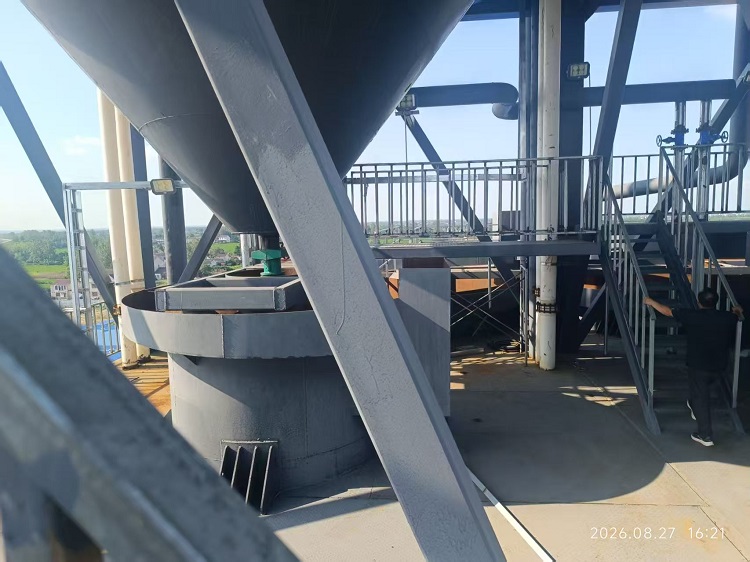
II. Assessing the Rationality of the Equipment Selection Process Itself
The scientific process for selecting quartz sand equipment, as per industry-standard logic, is:需求沟通 → 矿样试验 → 产品定位 → 工艺设计 → 设备选型 → 报价确认. To determine whether a selection process is reasonable, one must assess whether four key steps are properly addressed:
- First, does the process begin with mineral processing tests? This is the most critical criterion. The nature of impurities in silica sand varies greatly—surface iron films, weakly magnetic associated minerals, and crystal lattice inclusions—and the corresponding process routes are entirely different.Selecting equipment without test data from representative ore samples is like “the blind men and the elephant”—it almost inevitably leads to the finished plant failing to meet performance standards. A production line with a capacity of 50 metric tons per hour represents a significant investment, and the cost of rework resulting from skipping testing far exceeds the testing fees.
- Second, should the product be defined before the equipment? For panel sand, the focus is on whiteness and black spots; for photovoltaic sand, it\'s on low iron content; and for foundry sand, it\'s on clay content and particle shape. Different product specifications result in significant differences in the number of magnetic separation stages, flotation configurations, acid washing depth, and classification precision.The proper approach is to “derive the process combination based on both product positioning and raw material characteristics,” rather than first listing equipment and then working backward to determine what products can be produced.
- Third, should equipment selection be based on process requirements rather than inventory availability? Whether to use a two-stage or three-stage magnetic separation process, whether flotation is necessary, and whether acid washing should be included should be determined by testing and process design to avoid over-specification or under-specification.
- Fourth, has a reasonable margin been built into the production capacity? Each stage should be sized at 1.1–1.2 times the 50 metric tons per hour capacity, with multiple units of key equipment operated in parallel to ensure continuous operation; simultaneously, a distinction must be made between finished product throughput and raw ore processing capacity—if 50 metric tons represents finished product capacity, raw ore processing capacity should be configured at 55–70 metric tons per hour.
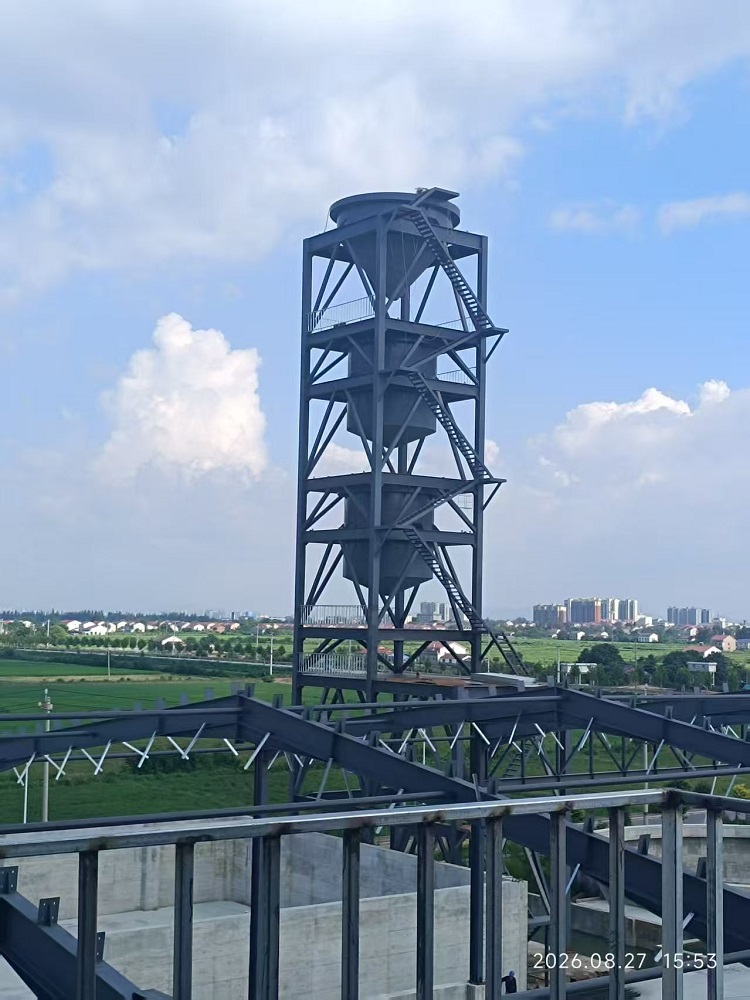
III. Common Unreasonable Practices in Selecting 50-Metric-Tons-Per-Hour Equipment
Purchasing equipment without conducting pilot tests. This is the most common—and most dangerous—practice. While equipment may be readily available, improper process configuration leads to unstable performance metrics—a long-standing issue in the silica sand industry.
Copying configurations from similar projects. The impurity profiles of other mines differ from yours; copying a configuration is tantamount to gambling.
Focusing only on individual unit prices without considering the synergy of the entire production line. When equipment purchased and assembled fails to operate properly, the root cause is a disconnect between design and manufacturing. The proper approach is for process engineers and mechanical engineers to collaborate, ensuring equipment is manufactured strictly according to process design drawings.
Neglecting environmental protection measures. For projects involving acid washing, environmental protection facilities for waste acid and exhaust gases must be planned simultaneously with the main project; retrofitting them later incurs higher costs.
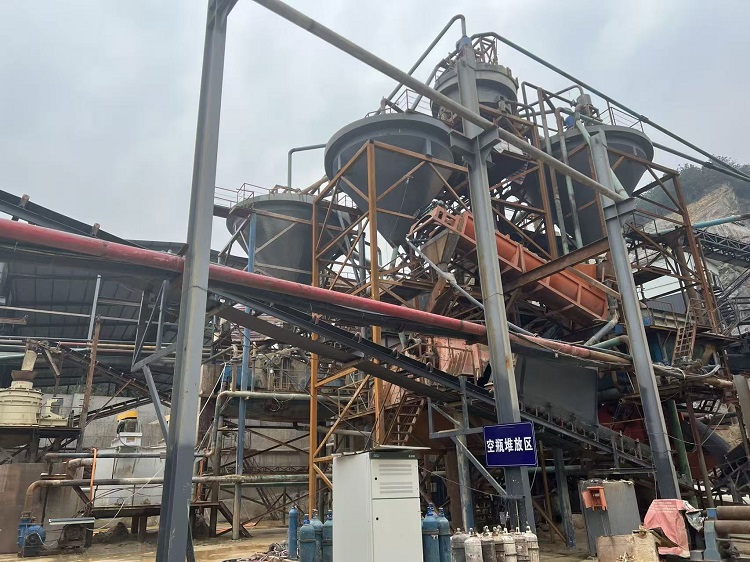
IV. What Does a Reasonable Equipment Selection Process Look Like?
A proven equipment selection process for a 50-metric-ton-per-hour production line should look like this:
1. Requirements Discussion and Preliminary Assessment
Clarify the raw material type, impurity characteristics, processing capacity, target product specifications, and site conditions.
2. Mineral Processing Tests (Typically 30–45 Days)
Determine the distribution of impurities and establish the limits of purification.
3. Product Specification and Process Design
Based on test data, determine the product direction and process route, and provide a process flowchart, equipment configuration list, equipment selection plan, and budget quotation.
4. Proposal Confirmation and Contract
Confirm the equipment list, scope of delivery, project timeline, and division of responsibilities item by item.
5. Engineering Design → Equipment Manufacturing → Logistics → Installation and Commissioning → Training and After-Sales Service
Each phase is seamlessly integrated.
Under this process, equipment selection is not a matter of arbitrarily compiling a list, but rather the result of the seamless integration of test data, process design, and equipment manufacturing. ElevateSilica\'s flexible, modular service model also allows customers to opt for testing only, purchase drawings only, or purchase equipment only; upfront testing and design fees are fully offset against the cost of subsequent equipment or EPC contracts.
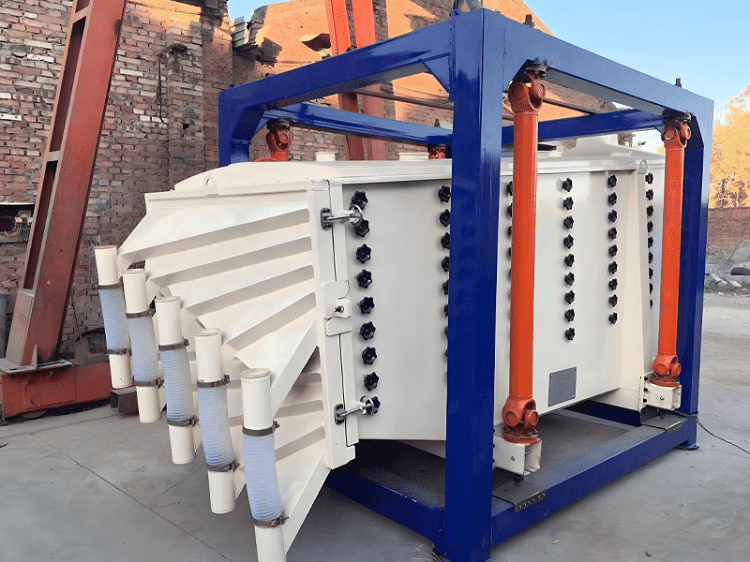
V. Conclusion
The equipment selection process for a 50-metric-ton-per-hour quartz sand plant can be either sound or flawed; the key distinction lies in whether mineral processing tests serve as the starting point and whether the product specifications are defined before the equipment is selected. Scale itself is not an obstacle; skipping tests, blindly copying configurations, and neglecting overall line coordination are.We recommend initiating mineral processing tests using representative ore samples and making investment decisions only after obtaining the recommended process flow and equipment list—this is the shortest path to ensuring a 50-metric-ton-per-hour project “meets standards upon commissioning.”
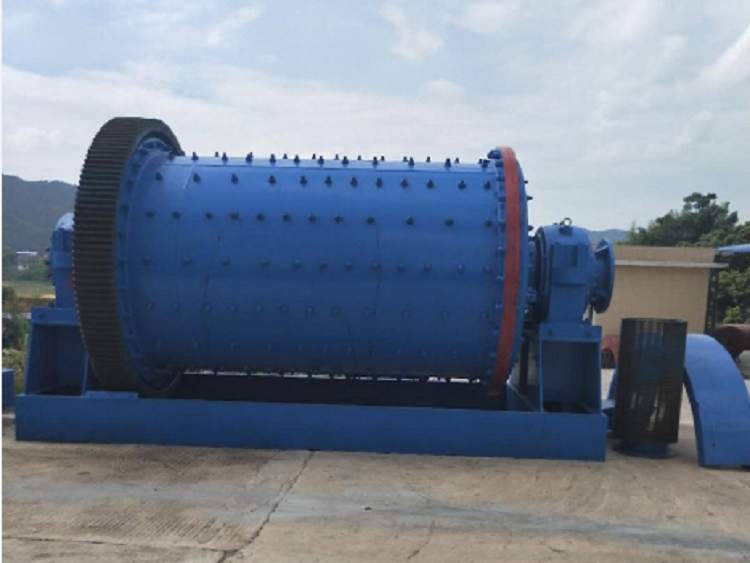
Whether the selection process for a 50-metric-ton-per-hour quartz sand plant is reasonable hinges on four key points: whether it begins with mineral processing tests; whether the product specifications are determined before selecting equipment; whether equipment is selected based on process requirements rather than inventory availability; and whether a reasonable margin of capacity has been built into the design.Conducting tests first, determining the process next, and selecting equipment last—ensuring that scale and product specifications are properly matched—is the only way to achieve a scientifically sound process.