


Selection of Equipment for a 500-Metric-Ton-Per-Day Special Glass Sand Production Line
Equipment Selection for a 500-Metric-Ton-Per-Day Special Glass Sand Production Line
Specialty glass sand is a category within the silica sand downstream industry with a wide range of specification requirements: different products—such as microcrystalline glass, high-borosilicate glass, ultra-white glass, and optical glass—have varying requirements for iron content, particle size distribution, refractory minerals, and harmful elements.A daily output of 500 metric tons (calculated based on 300 operating days per year, with an annual output of approximately 150,000 metric tons) represents a medium-to-large-scale specialized production line. The selection of equipment must not only ensure continuous production capacity but also allow for process adjustments to accommodate the varying specifications of different specialty glass categories.This article outlines the key considerations for equipment selection for a production line of this scale.
I. Selection Prerequisites: Determine the Product First, Then the Equipment
Specialty glass sand is not a single product. Ultra-white glass sand requires Fe₂O₃ ≤ 0.008%,optical glass sand requires Fe₂O₃ ≤ 0.0015%, while microcrystalline glass and high-borosilicate glass impose strict restrictions on particle size distribution, refractory minerals (chromite, corundum, kyanite), and harmful elements such as chromium, cobalt, copper, manganese, and nickel.Before selecting equipment for a production line with a daily capacity of 500 metric tons, it must be clearly defined whether the main products will be ultra-white/photovoltaic glass sand, optical glass sand, or a multi-category, tiered supply. Different product positioning results in significant differences in the number of magnetic separation stages, flotation configuration, acid washing depth, and classification precision.
It is also essential to emphasize that equipment selection must be based on mineral processing test data.Whether the impurities in the ore are surface iron films or lattice inclusions directly determines whether magnetic separation, flotation, or calcination and acid washing should be used; the occurrence state of tourmaline and hornblende black spots determines the configuration of flotation and strong magnetic separation. Equipment selection without reference to test data is like “the blind men and the elephant.”
II. Process Flow Framework
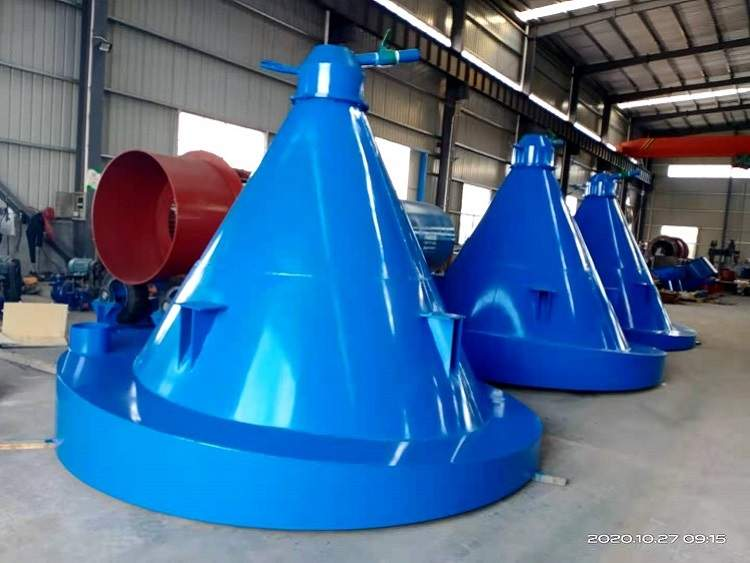
A typical process flow for producing 500 metric tons per day of specialty glass sand is as follows: Crushing and grinding → Scrubbing and desliming → Multi-stage screening → Cascade magnetic separation → Flotation → Acid washing(configured based on specifications) → precision classification → dewatering and drying. Compared to sheet glass sand, specialty glass sand places greater emphasis on low-iron stability and extreme precision in particle size control; compared to electronic-grade high-purity sand, there is no need to include deep purification steps such as calcination-acid leaching coupling (unless the product is intended for optical glass grade).
III. Equipment Selection by Module
1. Crushing and Grinding System
Jaw crusher for coarse crushing; cone crusher or impact crusher for medium and fine crushing; rod mill (to preserve particle shape and prevent over-grinding) for fine grinding.A capacity of 500 metric tons per day corresponds to an hourly throughput of approximately 25 metric tons (based on a 20-hour operating day). Taking into account yield and safety margins, the crushing and grinding section should be designed for a capacity of 30–35 metric tons per hour and equipped with a vibrating feeder, belt conveyor, and bucket elevator.
2. Scrubbing and Desliming System
High-performance scrubbers (multiple units in parallel or a single large-capacity unit), high-efficiency agitation tanks, hydrocyclone banks, desliming hoppers, and bucket wheel sand washers. Proprietary scrubbing agents are used to strip surface iron oxide and clay, thereby reducing the load on subsequent magnetic separation and flotation processes.
3. Screening and Classification System
Circular vibrating screens, high-frequency vibrating screens, and square oscillating screens are equipped with screen meshes configured according to target particle size distribution. Special glass sand has strict requirements for indicators such as 100% pass rate at 20 mesh and percentage distribution in the 20–120 mesh range; screening precision directly determines the finished product\'s compliance rate.
4. Magnetic Separation and Iron Removal System
Flat-bed magnetic separator (rough separation) + vertical ring high-gradient magnetic separator (sweep separation/refining) + electromagnetic slurry magnetic separator (deep iron removal).Specialty glass sand has strict low-iron requirements, necessitating a multi-stage magnetic separation configuration. The number of equipment units is scaled up in parallel based on processing capacity to ensure continuous operation without interruptions due to maintenance on individual units.
5. Flotation Purification System
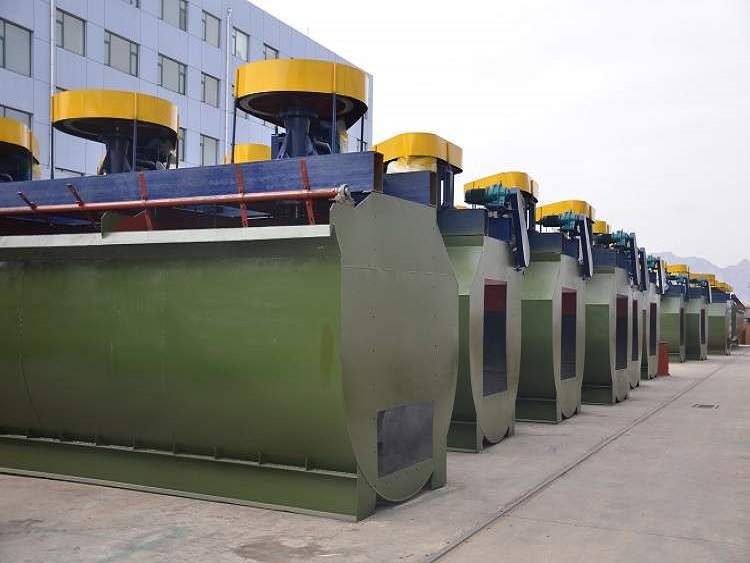
Large-scale aerated mechanically agitated flotation cells, automated chemical dosing systems, pulp adjustment tanks, and concentrate/tailings thickeners. Utilizing ElevateSilica\'s proprietary flotation reagents and technology, this system separates quartz from feldspar, mica, and iron-bearing minerals, while specifically addressing black spots caused by tourmaline and hornblende.In environmentally sensitive areas, “magnetic separation + proprietary flotation” can replace traditional acid leaching, thereby meeting low-iron specifications while reducing the risk of waste acid discharge.
6. Acid Leaching System (Configured as Needed)
If the plant is designed for optical glass sand or if the iron content in the ore is complex, the system should include an acid leaching reactor (with corrosion-resistant lining), a counter-current scrubbing tower/belt filter, a waste acid neutralization tank, and a negative-pressure absorption tower for fluoride-containing exhaust gases.For a 500-metric-ton-per-day acid leaching system, environmental protection-related capital expenditures account for a significant proportion of the total investment and must be planned concurrently.
7. Dehydration and Drying System
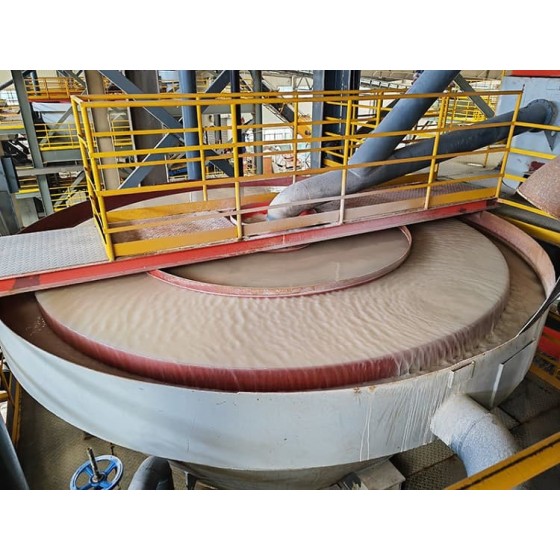
Thickeners, filter presses, dewatering screens, and dryers should be selected based on processing capacity to ensure the finished product\'s moisture content meets standards.
8. Electrical Control and Automation System
DCS or PLC automation control, with a focus on automating the chemical dosing system and ensuring stable control of magnetic separation field strength and flotation parameters. The less manual intervention required in a large-scale production line, the better the consistency of performance indicators.
9. Auxiliary Equipment
Pumps, piping, valves, dust collection systems, and water recirculation systems are uniformly configured according to process requirements. For flow-through components, high-chromium alloys or wear-resistant rubber are recommended; in acid-washing environments, corrosion-resistant stainless steel, duplex steel, or internally lined anti-corrosion coatings should be used.
IV. Key Principles for Equipment Selection
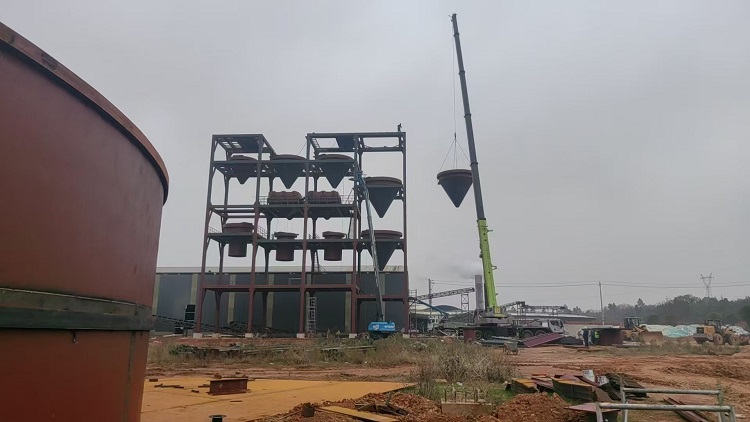
- Selection should be based on ore characteristics, not inventory availability. Equipment is manufactured strictly in accordance with process design drawings; the number of magnetic separation stages, flotation flow sheet, and acid leaching configuration are determined by test data to avoid over-specification or under-specification.
- Allow for production capacity margin. Equipment for each stage is selected based on 1.1–1.2 times the hourly processing capacity to accommodate fluctuations in raw ore supply and allow for future production increases.
- Prioritize reliability for continuous operation. Key processes such as magnetic separation and flotation should employ multiple units in parallel, ensuring that maintenance on a single unit does not affect the entire line.
- Environmental protection measures are planned concurrently. Environmental protection facilities related to acid leaching are designed and funded simultaneously with the main project to avoid the need for retrofitting later.
V. Planning Timeline
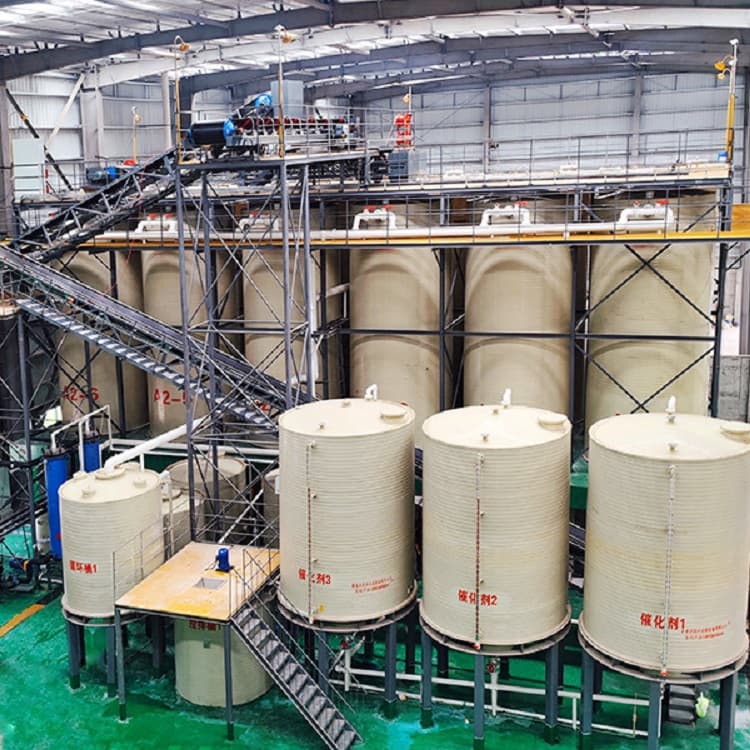
The first step remains mineral processing testing: conduct tests on representative ore samples (typically 30–45 days) and issue a comprehensive report including product positioning, recommended process flow, equipment selection list, and a preliminary budget. Based on this, proceed with engineering design and equipment manufacturing, with each phase reasonably interleaved; for typical projects, the timeline from testing to production commencement is approximately 8–15 months.Civil construction and general installation are organized locally by the client, while ElevateSilica is responsible for manufacturing core equipment, supplying chemicals, and providing on-site engineering guidance—ensuring quality while reducing labor costs.
The key to selecting equipment for a 500-metric-ton-per-day specialty glass sand production line is to first identify the main product and its performance requirements. Then, based on mineral processing test data, configure the following modules: crushing and grinding, washing and desliming, screening and classification, cascade magnetic separation, flotation purification, acid washing (as needed), and automation systems.Sufficient capacity is built into each stage, with key equipment configured in parallel to ensure continuous operation, and environmental protection facilities are planned concurrently.