






Key Planning Considerations for a 30-Metric-Ton-Per-Hour Wood-Based Panel Sand Production Facility
Key Planning Considerations for a 30-Metric-Ton-Per-Hour Engineered Wood Panel Sand Production Facility
Engineered quartz slabs are among the most “demanding” downstream applications for silica sand: the slab surface must be free of black spots, have sufficient whiteness, show no yellowing after firing, and maintain a stable particle size distribution.An hourly output of 30 metric tons (calculated based on 300 operating days per year at 20 hours per day, resulting in an annual output of approximately 180,000 metric tons) represents a typical scale for small- to medium-sized specialized panel sand production lines. While the investment threshold is relatively manageable, the requirements for process details are uncompromising. This article outlines the key planning considerations for a production line of this scale.
I. Product Positioning First: Minimum Specifications for Panel Sand
The core specifications for wood-based panel sand typically include: whiteness ≥85, Fe₂O₃ ≤150 ppm (Grade 1), and the absence of black spots caused by tourmaline or hornblende. Particle size is graded and supplied in ranges such as 40–70 mesh and 70–140 mesh.When planning, the first step is to clarify whether the operation will focus solely on panel sand or adopt a tiered product structure that includes both high-end panel sand (Grade A) and standard panel sand. The product structure directly determines the number of magnetic separation stages, flotation configuration, and classification precision, as well as the level of investment required.ElevateSilica\'s panel sand solution (T-B1) and high-end panel sand solution (T-B2) differ significantly in process complexity.
II. Process Flow: Focusing on “Removing Black Spots, Preserving Whiteness, and Controlling Particle Shape”
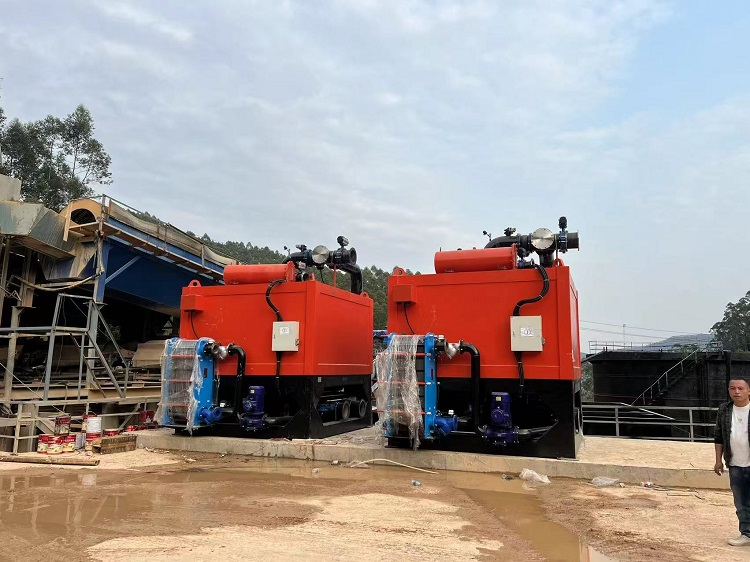
A typical process flow for producing 30 metric tons per hour of sheet sand is as follows: Crushing and shaping → Precision classification → Scrubbing → Magnetic separation → Proprietary flotation for black spot removal → Dewatering → Acid washing (optional) → Final product classification. Key points are as follows:
Crushing and Shaping
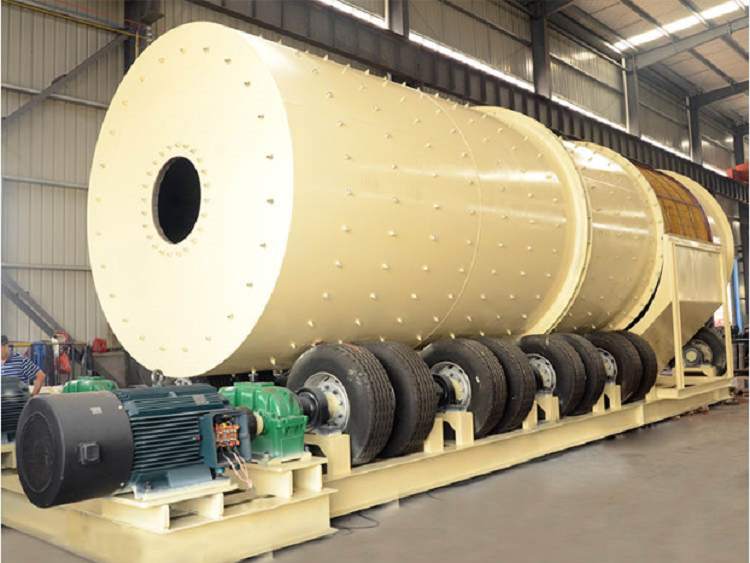
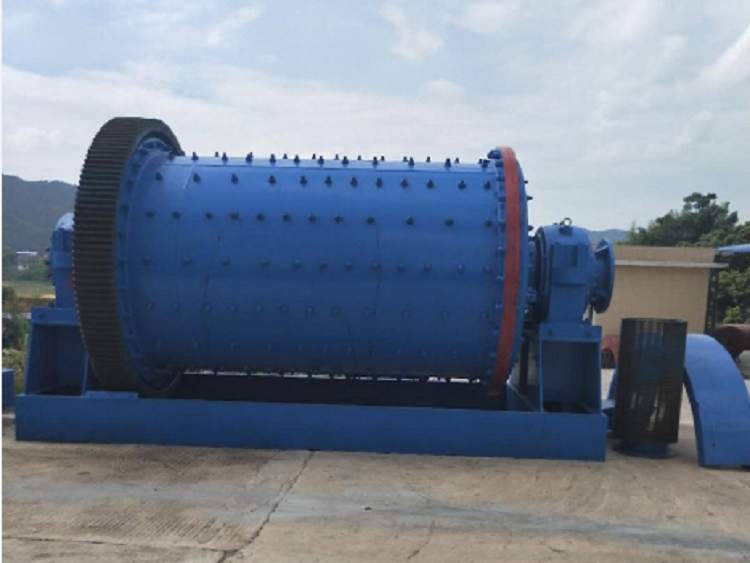
Adhere to the principle of “more crushing, less grinding.” Use impact crushers or rod mills to preserve particle shape and avoid over-grinding, which produces excessive fine particles that adversely affect the gradation.
Scrubbing
We employ proprietary washing agents to effectively remove surface iron film and clay—a critical preliminary step for enhancing the efficiency of subsequent magnetic separation and flotation processes.
Magnetic Separation
A flat-bed magnetic separator (6,000 Gs) is used for roughing, combined with a vertical ring high-gradient magnetic separator for scavenging, specifically targeting weakly magnetic iron-bearing minerals.
Flotation for Black Spot Removal
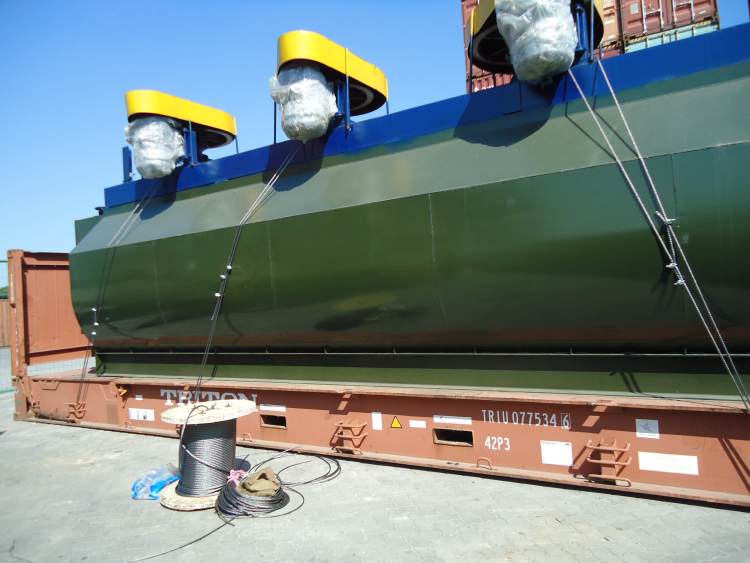
This is the key distinction between sheet glass sand and ordinary glass sand. Tourmaline and hornblende are mostly weakly magnetic minerals or have densities close to that of quartz; they are difficult to remove through traditional physical beneficiation methods and must be precisely stripped using ElevateSilica\'s exclusive flotation technology and reagents. The flotation stage is the technical core of the entire line and the decisive factor in yield.
Acid Leaching
Whether to include this process depends on the iron content in the raw ore and the required whiteness; residual control and environmental protection measures must be properly implemented.
III. Equipment Configuration and Production Capacity Matching
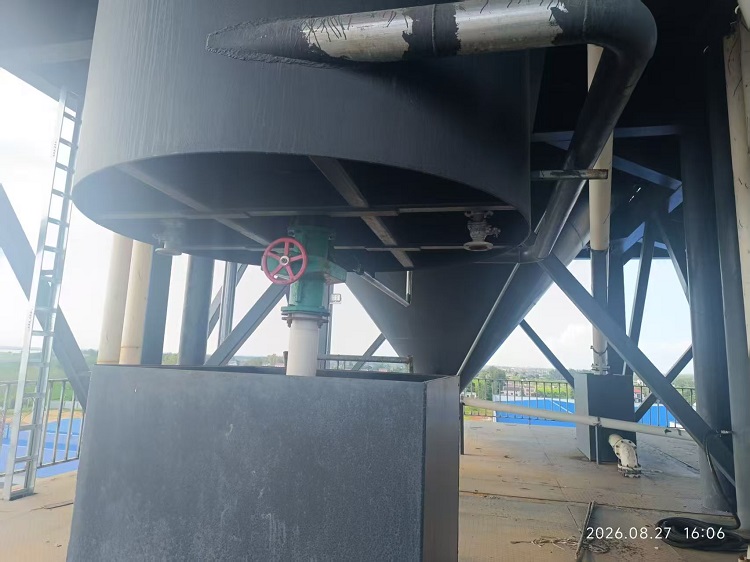
A production rate of 30 metric tons per hour corresponds to an hourly processing capacity of approximately 30 metric tons (based on finished product size); the raw ore processing volume must be calculated in reverse based on the yield rate.Key points for equipment configuration: Select scrubbers, hydrocyclone banks, desliming hoppers, and high-frequency vibrating screens based on processing capacity, allowing for a 10%–20% margin; configure multiple magnetic separators in parallel to ensure continuous operation; equip flotation units with automated chemical dosing systems to ensure a stable chemical regimen;For the classification stage, use square oscillating screens or high-frequency vibrating screens to strictly control the particle size distribution in the 40–70 mesh and 70–140 mesh ranges. Regarding equipment materials, it is recommended that wetted parts be made of high-chromium alloy or wear-resistant rubber to ensure longevity when handling abrasive materials.
IV. Environmental Protection and Cost Control
If acid leaching is included in the plate sand processing, waste acid neutralization and exhaust gas absorption are mandatory supporting measures; if the raw ore conditions permit, prioritize the “magnetic separation + proprietary flotation” route to reduce reliance on acid leaching.Regarding labor costs, adopting a division-of-labor model of “local general laborers + our engineers on-site for guidance”—where civil engineering and general installation are organized by the client locally—can save a significant amount on expenses for dispatched personnel.
V. Recommended Planning Timeline
The first step is always mineral processing testing: use representative ore samples to determine the distribution of “black spot” minerals and the form in which iron is present, and to establish whether flotation is required and the depth to which acid leaching should be configured. The test report (typically 30–45 days) will directly provide product positioning, recommended processes, an equipment list, and a preliminary budget.Based on this, proceed with engineering design and equipment manufacturing, with each phase reasonably interwoven. For typical projects, the timeline from testing to production launch is approximately 8–15 months. Under no circumstances should you skip the testing phase and proceed directly to purchasing equipment and building the plant—the cost of rework resulting from “unremovable black spots and insufficient whiteness” in panel sand is far higher than the cost of a single test.
The core of planning a 30-metric-ton-per-hour engineered wood sand production line is to first lock in the product specifications (whiteness, Fe₂O₃ content, black spot control, and particle size distribution), and then configure crushing and shaping, scrubbing, magnetic separation, flotation, and classification equipment around the objectives of “removing black spots, maintaining whiteness, and controlling particle shape,”and finally, using mineral processing tests to validate the process depth in advance, thereby avoiding the costs of rework.