






Investment Budget Analysis for a 200-Metric-Ton-Per-Day Electronic-Grade Silica Sand Production Facility
Investment Budget Analysis for a 200-Metric-Ton-Per-Day Electronic-Grade Silica Sand Production Facility
Against the backdrop of the continued expansion of high-end manufacturing supply chains—including photovoltaics, semiconductors, and electronic displays—market demand for electronic-grade silica sand, as a critical basic raw material, is rapidly rising.An increasing number of well-capitalized companies are turning their attention to the construction of electronic-grade silica sand production lines. A “daily output of 200 metric tons” falls squarely within the typical range for small- to medium-sized specialized production lines—it does not suffer from the difficulty of achieving economies of scale typical of small pilot lines, nor does it require the massive investments—often running into hundreds of millions of yuan—typical of large-scale production facilities.This article provides a systematic analysis of the investment budget for a 200-metric-ton-per-day electronic-grade silica sand project, helping investors establish a clear cost framework and decision-making logic.
I. First, Clarify the Boundaries of “Electronic-Grade”: A Prerequisite for the Investment Budget
When discussing an investment budget, it is essential to first define the product\'s positioning. In the silica sand industry, “electronics-grade” is a broad concept, and the process routes and investment intensity vary significantly across different sub-grades.
Based on industry-standard metrics, electronic-grade silica sand can be broadly categorized into several tiers: sand for electronic glass (such as quartz powder for TFT-LCD substrate glass, SiO₂ ≥ 99.7%, Fe₂O₃ ≤ 0.008%);high-purity silica micropowder for electronic packaging (SiO₂ ≥ 99.99%), and ultra-high-purity silica for semiconductors and optical communications (4N–5N or even 6N–8N).A production capacity of 200 metric tons per day typically corresponds to an industrial production line for electronic glass substrate sand or high-purity electronic-grade sand (3N–4N grade), rather than a chemical synthesis production line for 6N or higher grades—the latter involves molecular-level restructuring, with a completely different investment logic, and is not suitable for measurement in terms of “daily production tonnage.”
It is particularly important to emphasize that the investment budget for electronic-grade silica sand cannot be determined in isolation from the characteristics of the ore feedstock. Even with the same daily output of 200 metric tons, the process route may differ by two or three steps—and the investment cost may vary by 30% to 50%—depending on whether the feedstock is high-quality quartzite or mechanically processed granite sand with complex impurity profiles.Therefore, any responsible investment budget analysis must be based on mineral processing test data. This is also why ElevateSilica consistently adheres to the principle of “test first, decide later”—without test data from representative ore samples, equipment selection and budget preparation are like “the blind men feeling an elephant.”
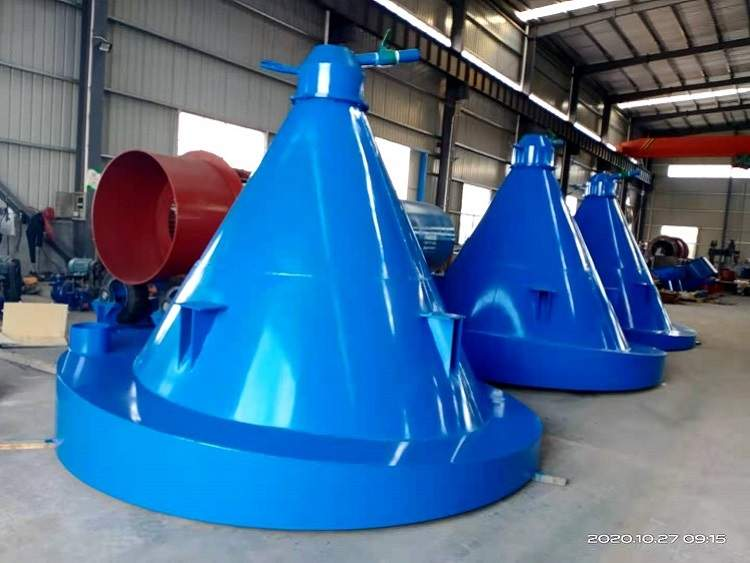
II. Framework of the Process Flow for a 200-Metric-Ton-Per-Day Electronic-Grade Silica Sand Plant
With sand for electronic glass substrates and electronic-grade high-purity sand (3N–4N) as the target products, a typical process flow for a daily output of 200 metric tons (calculated based on 300 operating days per year, with an annual output of approximately 60,000 metric tons) generally includes the following modules:
1. Raw Material Preparation, Crushing, and Grinding
Coarse crushing using a jaw crusher; medium and fine crushing using a cone crusher or impact crusher; and fine grinding using a rod mill (to preserve particle shape and prevent over-grinding) or a ball mill.
2. Scrubbing, Desliming, and Classification
A high-intensity scrubber, combined with a proprietary scrubbing agent, removes surface iron oxide and clay; a hydrocyclone bank, desliming hopper, and high-frequency vibrating screen complete the classification process.
3. Magnetic Separation for Iron Removal
Rough separation is performed using a flat-bed magnetic separator; sweeping and concentrating are carried out using a vertical ring high-gradient magnetic separator; and deep iron removal is achieved using an electromagnetic slurry magnetic separator—the iron content requirements for electronic-grade products often necessitate a multi-stage, tiered magnetic separation configuration.
4. Flotation Purification
Large-scale aerated mechanically agitated flotation cells, coupled with an automated dosing system, use proprietary flotation reagents to separate quartz from feldspar, mica, and iron-bearing minerals.
5. Acid Leaching or Calcination-Acid Leaching Coupling
To address lattice impurities and fine inclusions, the process includes an acid leaching reactor, a counter-current scrubbing tower, a waste acid neutralization system, and a negative-pressure absorption tower for fluorine-containing exhaust gases;If the target purity is 4N or higher, the calcination-acid leaching coupling process must be intensified, requiring the installation of a rotary kiln or fluidized bed furnace.
6. Precision Classification, Dewatering, and Drying
A hydrocyclone bank, horizontal screw centrifuges, and multi-layer high-frequency vibrating screens are used to control the D50/D90 particle size, while thickening tanks, filter presses, dewatering screens, and dryers complete the dewatering and drying process.
7. Environmental Protection and Auxiliary Systems
Waste acid treatment, exhaust gas absorption, water recycling, electrical control and automation systems, dust collection systems, etc.
In regions with strict environmental requirements, a “magnetic separation + proprietary flotation” process can be adopted as an alternative to traditional acid leaching. This approach not only meets low-iron specifications but also significantly reduces the risk of waste acid discharge—a choice that has a substantial impact on the investment structure.
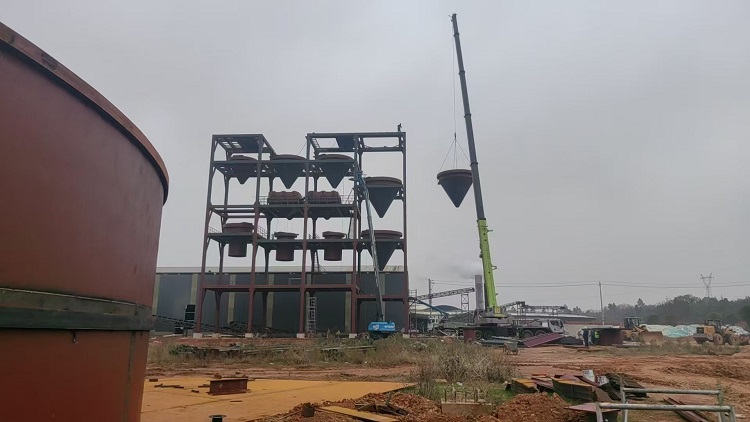
III. Breakdown of the Investment Budget
The total investment for a 200-metric-ton-per-day electronic-grade silica sand project can typically be broken down into several major categories: equipment investment, civil engineering investment, installation and commissioning, environmental protection facilities, working capital, and contingency reserves. The following is an industry-standard proportional framework (specific amounts are subject to mineral processing tests and process design):
(1) Core Equipment Investment (45%–60% of Total Investment)
Equipment constitutes the bulk of the investment. Estimated by process module:
- Crushing and grinding equipment: jaw crushers, cone crushers/impact crushers, rod mills/ball mills, accounting for approximately 15%–20% of equipment investment;
- Washing and Classification Equipment: washers, hydrocyclone banks, vibrating screens, and desliming hoppers, accounting for approximately 10%–15%;
- Magnetic separation equipment: flat-bed magnetic separators, vertical ring high-gradient magnetic separators, and electromagnetic slurry magnetic separators, accounting for approximately 15%–20% in a multi-stage configuration;
- Flotation units: large flotation cells, automated dosing systems, and pulp adjustment tanks, accounting for approximately 10%–15%;
- Acid Leaching/Calcination System: If a complete acid leaching line is installed (reactors, counter-current scrubbers, waste acid neutralization, and exhaust gas absorption), this accounts for approximately 15%–25%; if flotation is used as an alternative to acid leaching, investment in this section can be significantly reduced;
- Dewatering, drying, and fine classification: Thickeners, filter presses, dryers, centrifuges, etc., accounting for approximately 10%–15%;
- Electrical Control and Automation Systems, and Auxiliary Equipment (pumps, piping, valves): account for approximately 8%–12%.
It should be noted that electronic-grade products impose higher requirements on equipment materials—flow-through components require high-chromium alloys or wear-resistant rubber, while acid-washing environments require corrosion-resistant stainless steel, duplex steel, or internally lined corrosion-resistant coatings. These customized material upgrades will increase equipment investment.
(2) Civil Engineering Investment (15%–25% of total investment)
This includes factory building foundations, equipment foundations, corrosion-resistant civil engineering for acid washing and settling tanks, raw material storage yards, finished product warehouses, and office and auxiliary facilities. Civil engineering costs are highly dependent on the geological conditions, material prices, and labor costs at the project site; for overseas projects, differences in local construction standards must also be considered.Under ElevateSilica\'s EPC division of labor model, civil construction is organized locally by the client, while we provide civil engineering drawings and technical briefings, which helps effectively control costs in this area.
(3) Installation and Commissioning (5%–10% of total investment)
Equipment positioning, piping connections, and electrical and instrumentation installation are carried out by local workers organized by the client, with on-site technical guidance provided by engineers dispatched by ElevateSilica; integrated commissioning, trial runs with water and feedstock, and chemical dosing optimization are led by our engineers.This “local labor + technical guidance from our team” model can reduce labor costs by more than half compared to a solution that relies entirely on Chinese workers.
(IV) Environmental Protection Infrastructure (8%–15% of total investment)
If acid washing is involved in the production of electronic-grade silica sand, neutralization of waste acid, negative-pressure absorption of fluorine-containing exhaust gases, and wastewater treatment and reuse are mandatory components; the proportion of environmental protection investment is significantly higher than in ordinary construction sand projects. If an exclusive flotation process is adopted as an alternative to acid washing, this portion of the investment can be reduced, while simultaneously avoiding local environmental approval risks.
(5) Working Capital and Contingency Funds (10%–15% of total investment)
This includes raw material procurement, chemical reserves, spare parts inventory, personnel wages, and interest during the construction period. It is recommended to set aside an additional 10% for contingencies to address variables such as fluctuations in ore quality, construction delays, and customs clearance buffering.
Overall: The total investment for a 200-metric-ton-per-day electronic-grade silica sand project, assuming a medium-level process configuration and moderate raw material conditions, typically ranges in the tens of millions of RMB;If raw materials are complex and require a complete calcination-acid leaching coupled process along with advanced environmental protection systems, the investment amount will increase accordingly; if a simplified process using flotation instead of acid leaching is adopted, the investment can be moderately reduced. Any specific figures must be based on mineral processing test reports and process design drawings.
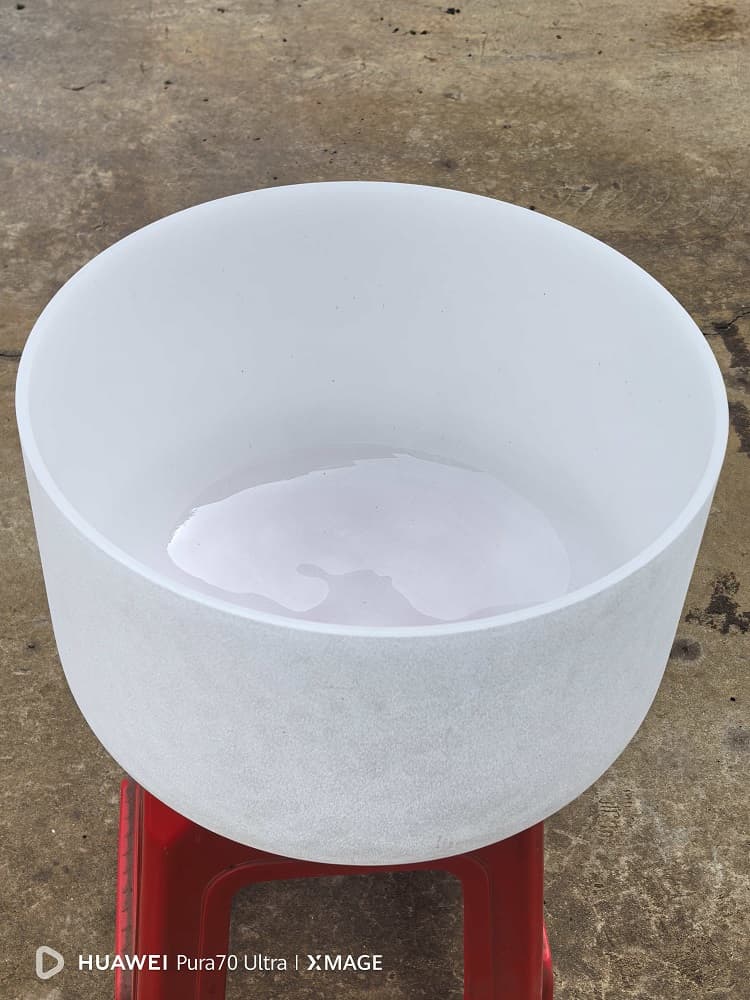
IV. Key Variables Affecting the Investment Budget
- First, the characteristics of the ore feedstock are the most significant variable. Whether impurities exist as surface iron films or lattice inclusions directly determines whether a calcination-acid leaching coupling process is required;the occurrence of tourmaline and hornblende black spots determines the number of stages required for flotation and strong magnetic separation. The higher the ore grade and the simpler the impurities, the lower the investment.
- Second, the precision of product specification. Whether producing sand for electronic glass substrates or 4N-grade high-purity sand, reducing the iron content from 0.008% to 0.0005% may necessitate additional stages of acid leaching and calcination. Product specifications must be precisely defined based on test data to avoid investment waste caused by “over-specification.”
- Third, environmental protection red lines. In regions with strict permits for waste acid discharge, prioritize flotation as an alternative to acid washing to reduce both investment and compliance risks; conversely, if local environmental capacity is ample, the investment structure for the acid washing route will differ.
- Fourth, the boundary between in-house execution and subcontracting. The most cost-effective division of labor involves organizing civil engineering and general installation locally, while ElevateSilica handles core equipment, chemicals, and commissioning. If the client requires a turnkey solution, costs must be calculated separately.
- Fifth, project timeline and funding schedule. Conventional silica sand projects typically take 8–15 months from mineral processing trials to production. For electronic-grade projects, the timeline may be extended due to the complexity of testing and the precision required for commissioning. A reasonable schedule can reduce financial costs, while indecision in the early stages is often the greatest hidden cost.
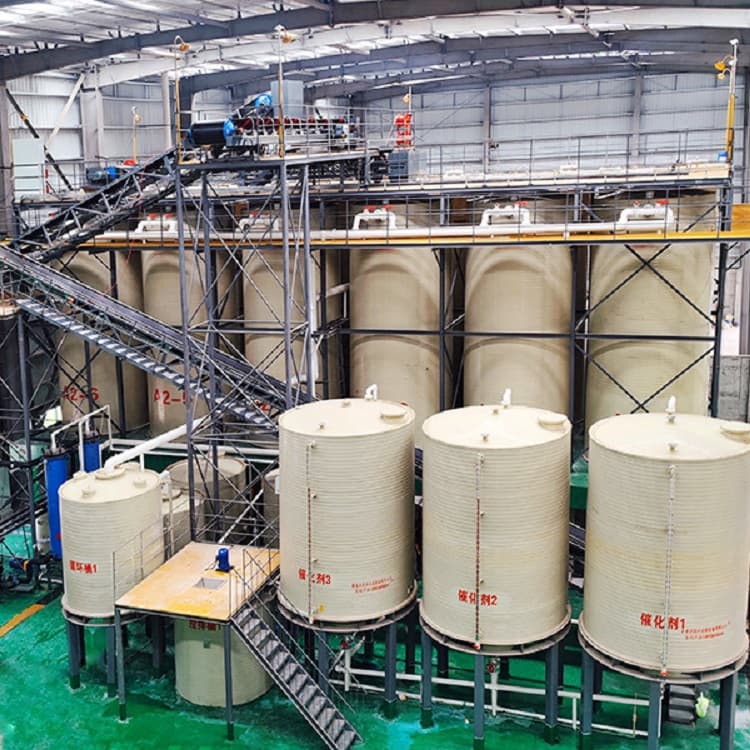
V. The Right Approach to Investment Decisions
Returning to the core conclusion of this article: the investment budget for a 200-metric-ton-per-day electronic-grade silica sand project is not a figure that can be determined on a whim, but rather a systematic calculation that begins with mineral processing tests, is structured around process design, and culminates in equipment selection.
The correct decision-making process should be as follows: First, submit representative ore samples to complete mineral processing tests (typically 4–6 weeks, resulting in a comprehensive report that includes product positioning, recommended processes, equipment selection, and a preliminary budget); next, determine product positioning and the process route based on the test data; then, have the process design team provide an equipment configuration list and an accurate quotation;and finally, a commercial contract with clearly defined terms is drawn up.ElevateSilica offers flexible, modular services—clients may opt for testing only, equipment purchase only, drawings only, or commissioning services only—and all upfront testing and design fees are fully offset against the cost of subsequent equipment or EPC contracts. This approach essentially allows investors to secure the most reliable budgetary basis with minimal upfront investment.
For investors who own mines and aim to enter the electronic-grade silica sand market, a daily production capacity of 200 metric tons is a pragmatic and competitive starting point.Accurate budgeting requires a thorough understanding of the ore; controlling investment risk hinges on selecting the right process. This is precisely the rigorous engineering logic that a grain of sand must undergo to transform from “cheap aggregate” into “electronics-grade raw material.”
The core of the investment budget for a 200-metric-ton-per-day electronic-grade silica sand project is to first identify the characteristics of the raw material through mineral processing tests, then determine the product positioning and process route, and finally break down the costs for equipment, civil engineering, installation, environmental protection, and working capital by process module to form a practical budget framework.