






Quartz Sand Purification Production Line, Complete Set of Equipment, Turnkey Service
Article Overview
- The design of a low-iron quartz sand processing line must be based on raw ore testing; the process flow should be determined by the form in which iron is present, rather than by establishing an equipment list first.
- For iron removal and purification in a quartz sand production line, physical iron removal methods—such as magnetic separation, scrubbing, and flotation—should be fully implemented first, after which a determination should be made as to whether acid leaching is necessary.
- The scope of delivery for a turnkey equipment package should include testing, design, manufacturing of core equipment, installation guidance, integrated commissioning, operational compliance, and personnel training.
- Requirements for iron content, whiteness, particle shape, and particle size distribution vary significantly across different application areas, and the level of sophistication in quartz sand purification equipment configuration varies accordingly.
- Environmental protection measures for acid washing, site layout, and automated interlocks represent the most costly aspects to modify after a quartz sand purification production line has been commissioned.
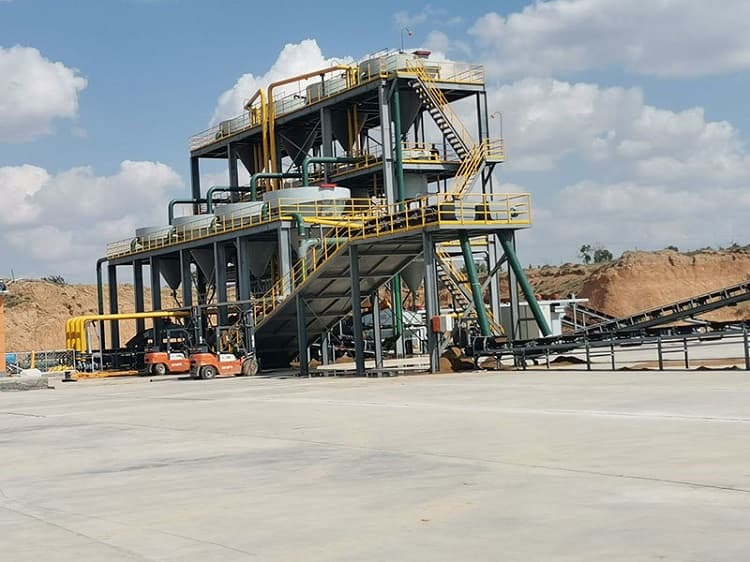
The design of a mechanical production line for low-iron quartz sand cannot ignore one fundamental premise: the properties of the raw ore.
The form in which iron is present varies greatly among quartz sand from different mining areas. In some cases, iron exists as independent iron minerals attached to the surface of the grains and can be effectively removed through scrubbing and magnetic separation;in others, iron is tightly intergrown with quartz in the form of intergrown bodies, requiring fine grinding and liberation before separation; and in yet others, iron enters the quartz crystal lattice as isomorphous impurities, against which physical beneficiation methods are largely ineffective, necessitating chemical purification methods.
Since the proportions of these three types of iron vary, the technical approaches for mechanical processing of low-iron quartz sand differ entirely. For ore sources dominated by surface iron and free iron minerals, magnetic separation combined with classification is sufficient to meet most industrial requirements;for sources with a high proportion of intergrown iron, enhanced grinding fineness combined with high-gradient magnetic separation is required; and for those with a high proportion of lattice-bound iron, processes such as acid leaching, calcination-acid leaching coupling, or even chemical synthesis are often necessary.
Therefore, for a responsible quartz sand purification production line solution, the first step is never to provide a quote, but rather to take samples for beneficiation testing and process mineralogical analysis. Without this data to support it, the configuration of quartz sand purification equipment is nothing more than a castle in the air. The success or failure of iron reduction and purification is largely determined during the design phase.
The iron-reduction and purification process in a quartz sand purification production line essentially addresses a boundary problem: to what extent can physical methods solve the problem, and at what point should chemical methods be introduced?
The main physical methods for iron removal are magnetic separation, scrubbing, and flotation. Magnetic separation is suitable for treating strongly and weakly magnetic iron minerals, with magnetic field strength and feed particle size being the key parameters.If the feed rate exceeds the equipment\'s rated processing capacity, the effectiveness of magnetic separation will decline significantly. Scrubbing targets clay and iron films on particle surfaces; when combined with specialized scrubbing agents, it can enhance stripping efficiency. Flotation is used to separate quartz from feldspar, mica, and iron-bearing minerals; in certain scenarios, it can replace acid leaching to perform deep iron removal.
Acid leaching is a typical method of chemical iron reduction. It can dissolve iron oxides and some lattice iron that cannot be removed by magnetic separation; however, parameters such as acid type, temperature, duration, and solid-to-liquid ratio must be determined through testing based on the characteristics of the raw ore.Oxalic acid, fluorosilicic acid, or mixed acid systems each have their own applicable conditions; the choice of acid depends on the properties of the ore and local environmental regulations.
Here is a principle that is often overlooked: iron that can be removed by physical methods should not be left to chemical methods. For every one-point reduction in iron content achieved through magnetic separation and flotation, the acid leaching load is reduced by one point, and acid consumption and the pressure to treat waste liquid also decrease accordingly.When designing a mechanical processing line for low-iron quartz sand, physical iron removal should be maximized first, followed by consideration of chemical purification as a supplementary measure.
For projects with strict environmental requirements and restrictions on acid leaching discharges, priority should be given to evaluating the “magnetic separation + flotation as an alternative to acid leaching” route. While this route has already been applied in scenarios such as photovoltaic glass sand, its suitability still depends on the results of raw ore testing.
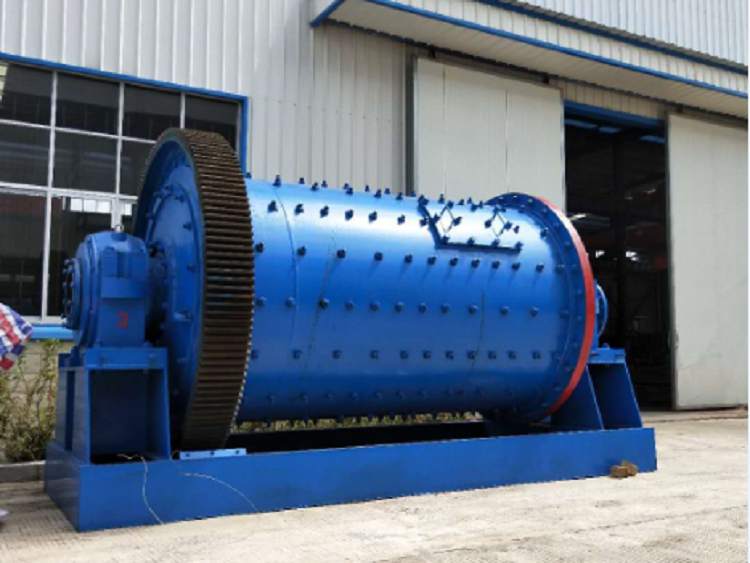
A complete quartz sand purification production line typically consists of the following process sections. The selection of quartz sand purification equipment must be determined comprehensively based on the raw ore particle size, target product specifications, and production capacity.
Crushing and Grinding Section. Jaw crushers or impact crushers are used for coarse crushing, while cone crushers are used for medium and fine crushing; for the grinding stage, rod mills or ball mills are selected based on the required liberation size. Rod mills offer advantages in preserving particle shape and are suitable for applications such as sheet glass sand and foundry sand, where particle shape is critical.
Washing and Classification Section. High-performance washers are used to remove clay and iron films from the particle surfaces, while hydrocyclones, desliming hoppers, or hydraulic classifiers are used for particle size classification to provide suitable feed conditions for subsequent separation.For high-end sheet sand and optical glass sand applications, specialized washing agents can be used to enhance the stripping of iron films from the particle surfaces.
Magnetic Separation Section. Coarse separation employs a flat-bed magnetic separator to remove strongly magnetic impurities, while sweep and fine separation utilize vertical-ring high-gradient magnetic separators or electromagnetic slurry magnetic separators to process weakly magnetic iron minerals. The number of magnetic separation stages must be configured based on the iron content of the raw ore and target specifications, with room for adjustment to accommodate fluctuations in the properties of the raw ore.
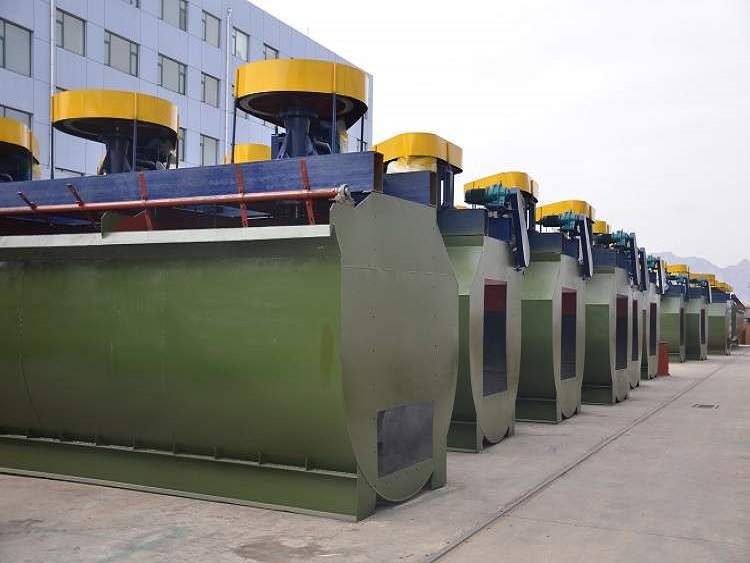
Flotation Section. Large aerated mechanically agitated flotation cells, coupled with an automated dosing system, are used to separate quartz from feldspar, mica, and iron-bearing minerals. For black-spot impurities such as tourmaline and hornblende, a combination of flotation and high-gradient magnetic separation is a highly effective process route in the production of sheet sand and optical glass sand.
Pickling Section. This section includes pickling reactors, counter-current scrubbing towers, acid preparation systems, negative-pressure absorption towers for fluoride-containing exhaust gases, and waste acid neutralization systems. The pickling process imposes high corrosion resistance requirements on equipment; the choice of materials directly affects equipment lifespan and operational stability.
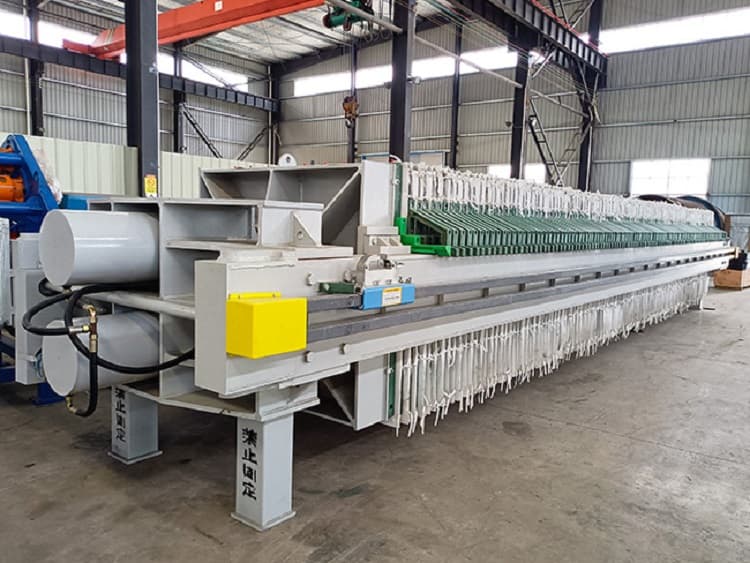
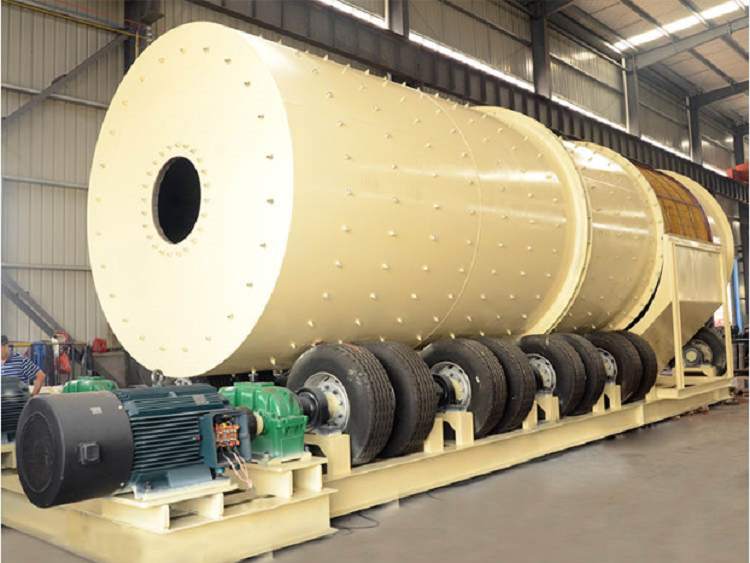
Dehydration and Drying Section. Thickening machines, plate-and-frame filter presses, or vacuum filters are used for dehydration after acid washing, while rotary dryers are used to dry the finished product. The effectiveness of dehydration directly affects acid recovery rates and fresh water consumption, and the drying temperature must be adjusted according to the required moisture content of the finished product.
Screening and Packaging Section. Circular vibrating screens, high-frequency vibrating screens, or square oscillating screens are used to classify the product by particle size, and products of different specifications are packaged separately. Common specifications include 0.5–1.2 mm and 1–2 mm, among others, with specific sizes determined based on downstream applications.
The phrase “complete equipment, turnkey service” is meaningful only when its scope is clearly defined.
For a quartz sand purification production line, turnkey services typically include the following: mineral processing testing and process design; delivery of engineering drawings; manufacturing and supply of core equipment and supporting components; on-site installation technical guidance; individual equipment commissioning and integrated system commissioning; trial operation with actual feed material; performance evaluation against standards; personnel training; and after-sales support.
The client typically assumes responsibility for: raw ore sampling and submission for testing; site preparation (utility connections and land leveling); civil engineering construction; organizing local installation workers; and handling local compliance procedures. Regarding ore sampling and submission for testing, it is recommended that the client assign personnel to participate throughout the entire process to ensure the samples are representative.
Regarding the division of labor for installation, a common approach is for the contractor to station engineers on-site to supervise equipment positioning, piping connections, and electrical installation, while the owner organizes local general installation workers. This approach ensures construction standards are met while helping to control labor costs. If it is indeed impossible to organize a construction workforce at the project site, the scope and costs of a turnkey contract may be separately stipulated in the contract.
The core value of a turnkey service lies not in the length of the equipment list, but in whether the contractor assumes responsibility for the final performance metrics. Incorporating the target iron-reduction and purification metrics into the contract is what distinguishes a turnkey service from a simple equipment sale. The procedures to be followed in the event that the agreed-upon metrics are not met should also be clearly defined in the contract in advance.
Even with the same raw ore, the configuration level of a low-iron quartz sand processing line may differ by one grade depending on the target product.
Photovoltaic glass and ultra-white glass. The core requirement is low iron content, typically requiring Fe₂O₃ to be controlled at a low level. The process primarily involves multi-stage screening, cascading magnetic separation, and flotation, with acid leaching used as a means of deep purification; when environmental regulations are restrictive, the feasibility of using flotation to replace the acid leaching route can be evaluated.The design focus of quartz sand purification production lines lies in the stable control of iron content and environmental compliance.
Engineered quartz slabs. The core requirements are whiteness, black spot removal, and particle size distribution. The process primarily involves crushing and shaping, precision grading, scrubbing, magnetic separation, and flotation for black spot removal, with acid washing used to control residual impurities.The key considerations for quartz sand purification equipment are the washing agents, the ability to remove black spots via flotation, and classification accuracy.
Optical glass and TFT-LCD substrate glass. In addition to iron content, there are specific requirements for particle size distribution. The process requires a combination of purification, grinding, precision classification, and iron removal. The focus of the quartz sand purification production line is on particle size control and stable impurity levels.
High-purity sand for photovoltaics and optical fibers. These applications demand even higher purity levels and typically require a combination of processes such as pre-enrichment, magnetic separation, flotation, and calcination-acid leaching.In such scenarios, mechanical production lines for low-iron quartz sand primarily handle front-end purification and preliminary impurity control, while deep impurity removal is carried out by subsequent processes.
Electronics-grade ultra-high-purity quartz sand. When physical and chemical purification of natural ore approaches its limits, chemical synthesis processes must be introduced. Such projects fall outside the scope of conventional low-iron quartz sand mechanical processing solutions and should be evaluated separately.
Ordinary glass, building materials, foundry sand, and water treatment filter media. While iron content requirements are relatively lenient, there are specific requirements for particle shape, particle size distribution, and mechanical strength. The focus of quartz sand purification equipment lies in shaping, washing, and grading, rather than deep iron reduction.
Discussing iron-reduction and purification goals in isolation from the application field can easily lead to over-capacity or substandard products. Before designing a solution, clearly define the product\'s intended use, then determine the required process depth.
Acid washing is an effective method for iron reduction and purification, but it is also the stage in the quartz sand purification production line that faces the greatest environmental pressure.
Waste liquid treatment is the primary concern. Acid washing residue contains iron ions and residual acid and cannot be discharged directly; it typically requires supporting systems for neutralization and precipitation, filter press separation, and reuse. The specific process depends on the type of acid and local discharge standards.
Exhaust gas absorption must also not be overlooked. Acid mist generated during the acid washing process must be collected and treated, and fluoride-containing exhaust gases require treatment in a negative-pressure absorption tower. The selection and operating costs of the absorption tower should be factored into the planning stage.
Hazardous chemical management involves the storage, transportation, and emergency response procedures for acid solutions. Management requirements for hydrochloric acid, sulfuric acid, and hydrofluoric acid vary, with hydrofluoric acid subject to particularly stringent regulations. For production lines utilizing hydrofluoric acid processes, it is necessary to confirm in advance whether the local area meets the corresponding management requirements.
The capital and operating costs of these supporting facilities are sometimes no less than those of the main equipment.When deciding whether to incorporate an acid leaching process into a low-iron quartz sand mechanical processing line, environmental protection measures should be included in a comprehensive cost assessment, rather than considering only the acid leaching equipment itself. If local environmental regulations are particularly stringent, it is generally more prudent to first evaluate the feasibility of using flotation as an alternative to acid leaching, rather than implementing acid leaching first and then retrofitting environmental protection measures later.
When designing the equipment layout for a quartz sand purification production line, maintenance space and material buffering must be considered during the planning phase.
Sufficient maintenance access routes should be maintained between the various process sections, including crushing, grinding, scrubbing, magnetic separation, flotation, acid washing, dewatering, drying, and screening.In facilities with limited floor space, a multi-level layout may be adopted; however, this reduces maintenance space and may require the disassembly and reassembly of multiple pieces of equipment when replacing screen meshes or servicing magnetic separators, thereby affecting production continuity.
In terms of automation control, the role of PLC-based centralized control systems in quartz sand purification production lines is becoming increasingly significant. Interlock protection between core equipment can automatically cut off upstream and downstream feeding when a piece of equipment shuts down, preventing material buildup or incomplete reactions.Key parameters—such as motor current, temperature zone readings, flotation reagent dosage, and acid concentration—are monitored in real time via a touchscreen, allowing operators to make timely adjustments. The automated reagent dosing system in the flotation section is particularly critical, as the stability of the reagent regimen directly affects flotation selectivity and product specifications.
These design elements are finalized during the planning phase, keeping costs under control; adding them after production begins often requires halting operations for retrofitting. The value of a low-iron quartz sand mechanical processing line solution is also reflected in these early-stage design details.
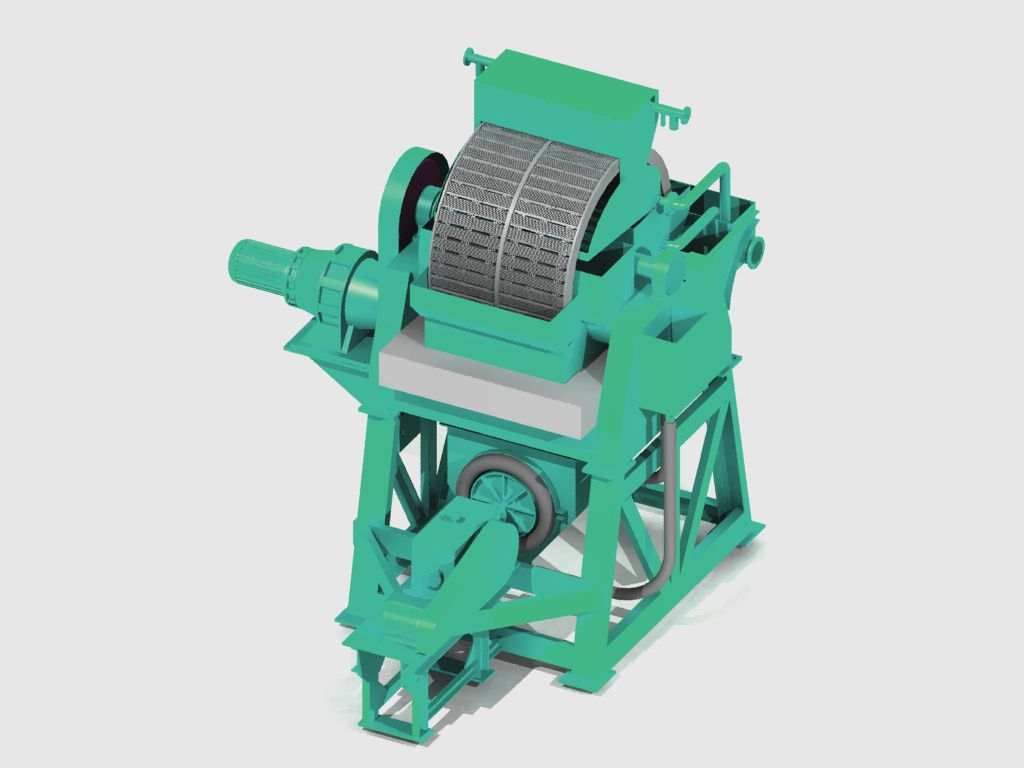
What types of ore sources can the low-iron quartz sand mechanical production line process?
Sources such as sea sand, quartzite, vein quartz, mechanically produced granite sand, and tailings vary in iron occurrence and particle size distribution, requiring separate testing to determine the appropriate process route.The low-iron quartz sand mechanical processing line is suitable for processing ore sources with moderately low to low iron content, primarily consisting of surface iron and free iron minerals; ore sources with a high proportion of lattice iron typically require chemical purification as a supplementary measure.
What level of iron reduction and purification can be achieved?
This depends on the properties of the raw ore and the requirements of the target product. The iron content requirements for sheet glass sand, photovoltaic glass sand, high-purity sand for photovoltaics and optical fibers, and electronic-grade high-purity sand differ significantly.Discussing iron reduction targets without considering the raw ore data and product specifications lacks practical significance. A more reasonable approach is to conduct beneficiation tests to determine the achievable product specifications and purification process under the specific conditions of the ore.
How long is the turnkey delivery cycle for a complete set of equipment?
For conventional silica sand projects, the timeline from mineral processing trials to production commencement is influenced by multiple factors, including testing, design, equipment manufacturing, logistics, on-site conditions, and commissioning progress. The best practice is to clearly define key milestones during the contract phase and allow for a buffer during commissioning. For overseas projects, additional time should be allocated for customs clearance and transportation.
How does the turnkey service ensure results?
The key lies in the performance metrics and acceptance procedures stipulated in the contract. It is recommended to include key metrics—such as Fe₂O₃ content, whiteness, and processing capacity—in the contract, and to clearly define the methods and deadlines for assessing compliance with these standards. The contractor assumes full responsibility for the final performance of the equipment and process; civil engineering and general installation are organized locally by the owner, but installation standards must be verified on-site by the contractor\'s engineers.
From a project implementation perspective, the feasibility study for a quartz sand purification production line should proceed in the following order:
Step 1: Confirm the representativeness of the raw ore and complete beneficiation tests and process mineralogy analysis.
Step 2: Determine product positioning based on test data, clarifying target application areas and key performance indicators.
Step 3: Compare and select process routes, assessing whether physical iron removal is sufficient or if flotation is needed to replace acid leaching—or if acid leaching should be incorporated.
Step 4: Determine the configuration of the quartz sand purification equipment and the mechanical processing line for low-iron quartz sand, and evaluate environmental protection requirements and site conditions.
Step 5: Clarify the scope of delivery, acceptance criteria, and project milestones for the turnkey service of the complete equipment set.
Step 6: Proceed to the equipment manufacturing, installation, commissioning, and compliance operation phases.
The core of this sequence is to first use test data to lock in the product positioning and process route before proceeding to equipment configuration and investment decisions. The certainty of the low-iron quartz sand production line plan stems from raw ore data, process validation, and delivery scope—not from the length of the equipment list.
If you are planning a quartz sand purification production line, or if the iron-reduction and purification performance of your existing line is unsatisfactory, we welcome your inquiries.
Please prepare raw ore samples and product specifications, and we can arrange mineral processing tests and purification validation. Based on the test results, we will provide a detailed proposal for a low-iron quartz sand mechanical production line and a comprehensive turnkey equipment solution.
We recommend completing the raw ore testing and proposal validation before proceeding to the equipment configuration and investment decision-making stages. This sequence helps control project risks and ensures effective iron reduction and purification, as well as the quality of the turnkey delivery.