






Decision-Making Based on a Comparison of Mechanical Line Solutions for Iron Removal and Purification with Mineral Processing Tests
Removing iron from low-iron quartz sand is difficult because it\'s unclear where the iron goes. Magnetite, hematite, limonite, pyrite, and even iron trapped within silicate lattices—each reacts differently to mechanical processing.If you take a mineral sample to an equipment manufacturer, you\'ll most likely be offered a configuration combining magnetic separation and scrubbing—but no one can guarantee that this process will work or to what extent iron levels will be reduced.
The key approach is to make decisions based on comparative mineral processing tests, thoroughly understanding the ore\'s properties before investing in a processing line. There are three key points: the iron phase determines the route for iron reduction and purification; the depth of mineral processing tests must match the scale of investment; and the testing budget should be allocated to critical stages that can reduce investment risk.
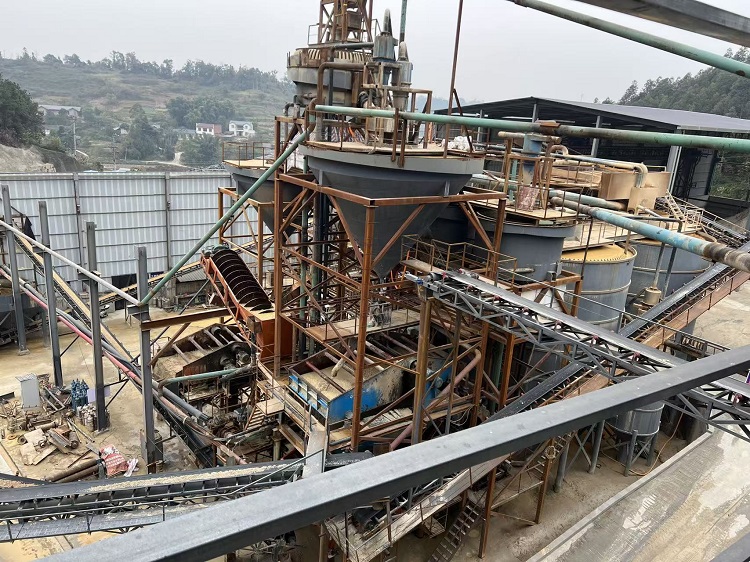
I. Why Mechanical Processing Line Solutions Cannot Be Copied Verbatim
There is a fundamental difference between iron removal from quartz sand and the beneficiation of metal ores: iron is an impurity, not the target mineral. The goal is to reduce it below the limit; recovery rate is secondary.This necessitates a multi-stage process in mechanical lines—typically a scrubbing and desliming stage followed by a magnetic separation stage, sometimes supplemented by flotation or acid leaching. Each stage reduces iron content slightly, with the cumulative reduction ultimately meeting regulatory standards. The sequence of stages and the handling of intermediate products cannot be determined based on quotes for individual machines alone.
The form in which iron is present varies greatly across different ore sources: when iron is embedded in clay minerals, scrubbing and desliming can remove most of it; when iron is embedded in feldspar or mica, the ore must first be ground to achieve single-particle liberation before magnetic separation; when iron exists as pyrite, sulfur flotation must be considered prior to magnetic separation.Applying a solution designed for one ore to another will most likely fail. Skipping pilot testing and proceeding directly to plant design may save on testing costs, but these savings are often offset by equipment idleness, failure to meet performance standards, and additional investment required for retrofitting.
II. Iron Phase Analysis: The First Step in Iron Reduction and Purification
Iron phase analysis breaks down total iron into magnetite, hematite, goethite, pyrite, and ferrosilicate, identifying the proportion of each type—which directly determines the path for iron reduction and purification.Two ore samples with similar total iron content may have vastly different processing options: iron in magnetite can be removed by magnetic separation, whereas magnetic separation is largely ineffective for iron in ferrosilicate.
Another factor to consider is whether the iron exists as a surface film or as a lattice inclusion. The former can often be removed largely through scrubbing and magnetic separation, while the latter typically requires roasting followed by deep acid leaching to be extracted.
Iron phase identification is typically carried out in conjunction with rock and ore characterization and chemical analysis. This process is cost-effective and can be performed during the exploratory testing phase; its value lies in ruling out unfeasible routes. It sets the direction, not the final result; determining the specific reduction level achievable requires quartz sand beneficiation tests.
III. Determining Iron Reduction and Purification Routes Based on Different Iron Occurrence States
Predominantly magnetite and hematite. Relatively easy to process. After washing and desliming, perform a first-stage roughing with magnetic separation to discard tailings, followed by a second-stage concentrating to purify the ore; adjust the magnetic field strength from weak to strong based on grain size distribution. If the hematite content is high, consider strong magnetic separation or magnetized roasting.
Predominantly limonite. Weak magnetic properties result in limited magnetic separation effectiveness. First, scrub to detach iron from the quartz surface, followed by strong magnetic separation or flotation; acid leaching is costly and subject to significant environmental pressure, so it should be avoided whenever possible. In regions with strict discharge requirements, flotation may be evaluated as a partial substitute for acid leaching.
Predominantly pyrite. As a sulfide, flotation is effective. Flotation should precede magnetic separation: first float the sulfur to reduce iron content, then use magnetic separation to remove the remaining iron. The reagent regimen and process configuration should be determined through pilot testing.
Predominantly ferrosilicate. This is the most difficult to process. Since the iron is embedded in the crystal lattice or within the silicate structure, mechanical beneficiation is largely ineffective; the only options are acid leaching or changing the ore source. Mechanical processing schemes should be approached with caution; exploratory tests should be conducted first to confirm processability.
Mixed type. Multiple phases coexist; prioritize based on abundance, treating the most abundant phase first. The process is relatively complex, and closed-circuit testing is essential.
Regardless of the type, iron reduction and purification cannot be achieved with a single piece of equipment; rather, it requires an entire processing line, with each stage contributing to the iron reduction process.
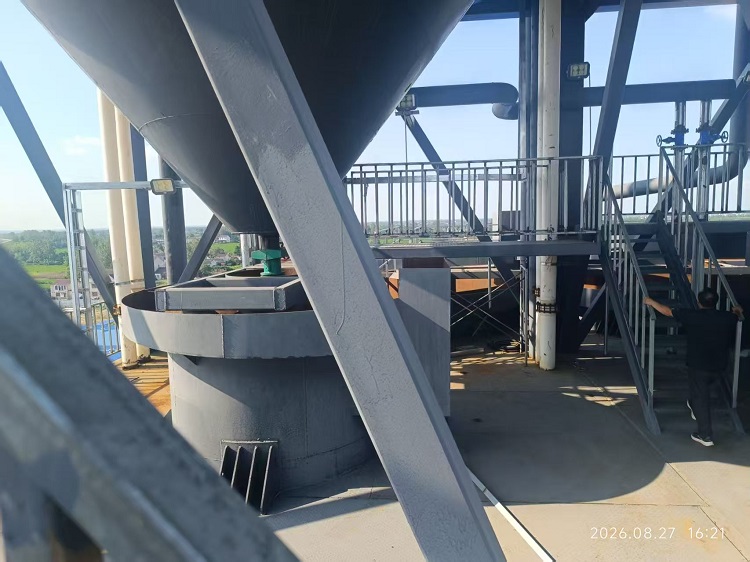
IV. How to Select Iron Removal Equipment for Quartz Sand
There is no standard answer for equipment selection; it depends on the process and parameters determined through testing.
Magnetic separators are the mainstay. Weak magnetic separation is used for magnetite and magnetized roasted hematite, while strong magnetic separation is used for hematite, limonite, and certain iron-bearing silicates; a common approach involves using a flat-plate magnetic separator for roughing, followed by vertical ring high-gradient magnetic separators for scavenging and concentrating, forming a tiered configuration.Magnetic field strength, separation gap, and slurry flow rate are determined based on test data.
Scrubbers are used for scrubbing and desliming, removing the surface iron film and iron from clay; concentration, time, and agitation intensity are determined by pilot tests. Flotation cells are used for ore samples with high pyrite content, as well as for separating feldspar, mica, tourmaline, and amphibole-type minerals; the reagent regime is more critical than the equipment itself.Acid leaching equipment is used when the proportion of iron silicate is high and other methods cannot meet the target; environmental and cost considerations must be carefully evaluated before selecting a model. Classification equipment affects the feed particle size and product particle size distribution, yet is often overlooked.
Equipment selection must be based on test data, not manufacturer brochures. Skipping testing and selecting equipment directly will result in either insufficient capacity or wasteful overcapacity.
V. Iron Content Standards for Quartz Sand Vary Significantly by Application
Sand used for photovoltaic glass has the strictest iron requirements, as iron affects light transmittance and power generation efficiency. Within the industry, Fe₂O₃ not exceeding 0.008% is commonly used as a reference control limit for photovoltaic and ultra-white glass sand, though specific limits still vary depending on product specifications and manufacturer processes.Electronic glass and high-end household glass also have high requirements, as iron affects color and transparency. Standards for ordinary float glass and tableware glass are relatively more lenient, though requirements vary among manufacturers within the same sector.
For sand used in engineered quartz slabs, in addition to iron content, whiteness and black spots are also critical factors—all three must be evaluated together. Furthermore, the form in which iron is present and the product\'s particle size must be considered: even with the same total iron content, downstream acceptance may vary depending on whether the iron is bound in silicates or present as magnetite.
Before setting test objectives, first confirm the iron content limits and particle size requirements with downstream manufacturers. If the targets are set too high, both the difficulty of the testing process and the investment in the processing line will increase; if the targets are set too low, the product may fail to meet specifications.
VI. Comparison of Mineral Processing Test Types: Which Ones to Conduct
| Test Type | Questions Addressed | Applicable Scenarios | Limitations |
|---|---|---|---|
| Exploratory Tests | Can this ore be processed? | New deposit sites, changes in ore sources, preliminary assessments | Provides general guidance, not precise metrics |
| Conditional Testing | What Is the Most Effective Processing Method? | Determine the process and parameter range | Focus on single factors; do not consider overall compatibility |
| Closed-loop testing | What Are the Indicators After the Intermediate Concentrate Is Returned? | Lock in concentrate grade and recovery rate | There are still engineering gaps compared to the field conditions |
| Scaled-up testing | Will the results hold up at scale? | Before investing in a large-scale operation, for complex ores | High costs—not a mandatory requirement |
The four types of tests follow a progressive sequence; if the previous stage is not thoroughly completed, the subsequent stage will be in vain. Exploratory tests set the direction, are low-cost, and have a short cycle, making them suitable for the early stages; conditional tests focus on identifying the parameter window for the main process, yielding a range rather than a single point;Closed-circuit tests simulate the return of intermediate concentrate; if the process involves intermediate concentrate return, these tests are recommended—otherwise, even if open-circuit indicators are excellent, iron may be lost again once the closed-circuit process runs; Scale-up tests validate equipment selection and engineering parameters; they should be considered for projects involving large-scale operations or complex ore characteristics; skipping them entails assuming the associated risks.
The key to making informed decisions based on mineral processing test comparisons lies in determining which types of tests to conduct and in what order, based on the project stage and the characteristics of the ore source. Under normal conditions, the cycle—from submitting samples to issuing a complete report that includes equipment selection and a preliminary budget—typically ranges from several weeks to over a month; this period is extended accordingly for complex ore samples.
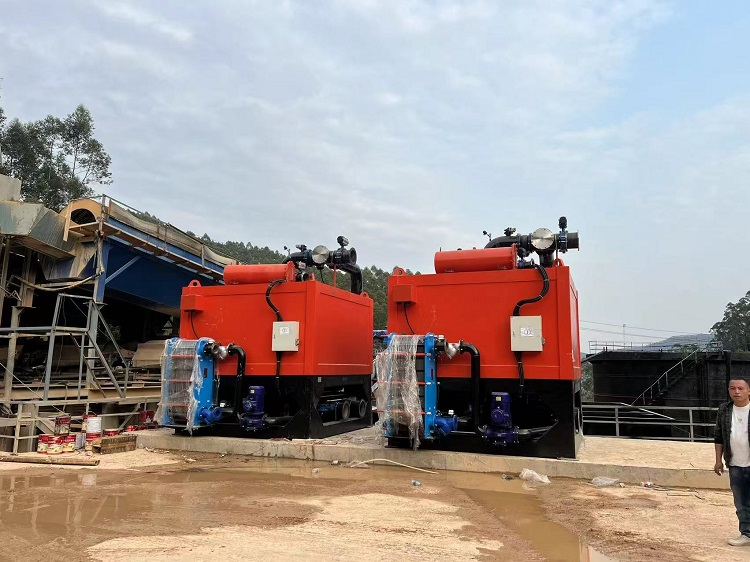
VII. Test Depth and Investment Risk
There is no single answer to how many tests are sufficient, but one principle applies: the depth of testing should correspond to the amount of investment planned. Proceeding directly to closed-circuit testing without thorough exploration and validation is gambling on the process structure; proceeding directly to scaled-up testing without closed-circuit testing is gambling on the scaling-up effect; and proceeding directly to production without scaled-up testing is gambling on equipment compatibility and engineering integration.
If conditional testing is insufficient and the parameter window has not been fully mapped out, production indicators may fluctuate significantly; if closed-circuit testing is skipped, intermediate ore accumulation may cause concentrate grades to drop; if scale-up testing is omitted, equipment selection errors may occur, and the investment lost in these areas is difficult to recoup through later adjustments.The direction is clear: the relationship between testing costs and investment risks is one of trading a small amount of money for certainty; the testing costs saved will most likely be recouped in another form.
VIII. Design Steps for the Mechanical Line Plan
Ore Sample Preparation. Representativeness is paramount; drill hole samples, channel samples, and production samples must represent different ore body ranges, and iron phase analysis must be conducted.
Exploratory Testing. Combine rock and ore identification with iron phase analysis, along with magnetic separation tube and shaking table tests, to determine the primary occurrence state of iron and the direction of recoverability.
Conditional Testing. Optimize the main process by adjusting magnetic field strength, scrubbing concentration, scrubbing time, reagent types, and dosages, ensuring a sufficient range of parameters is tested—do not limit testing to a single point.
Closed-Circuit Testing. Determine the intermediate concentrate return path, run stable cycles, and monitor the iron content in the concentrate, the accumulation trend of iron in the intermediate concentrate, iron loss in the tailings, and the water balance.
Scale-up tests. Focus on equipment selection and engineering parameters to verify whether the laboratory-scale magnetic field strength and agitation intensity remain sufficient after scaling up.
Equipment Selection and Process Configuration Confirmation. Select equipment models and specifications based on the process and parameters determined by the tests. Finalize the number of stages, their sequence, and the intermediate concentrate handling method during the testing phase, as making changes during production would be far more costly.
After completing each stage, ask: “Do the conclusions from this stage sufficiently justify the investment in the next stage?” If not, conduct additional tests; if so, proceed to the next stage.
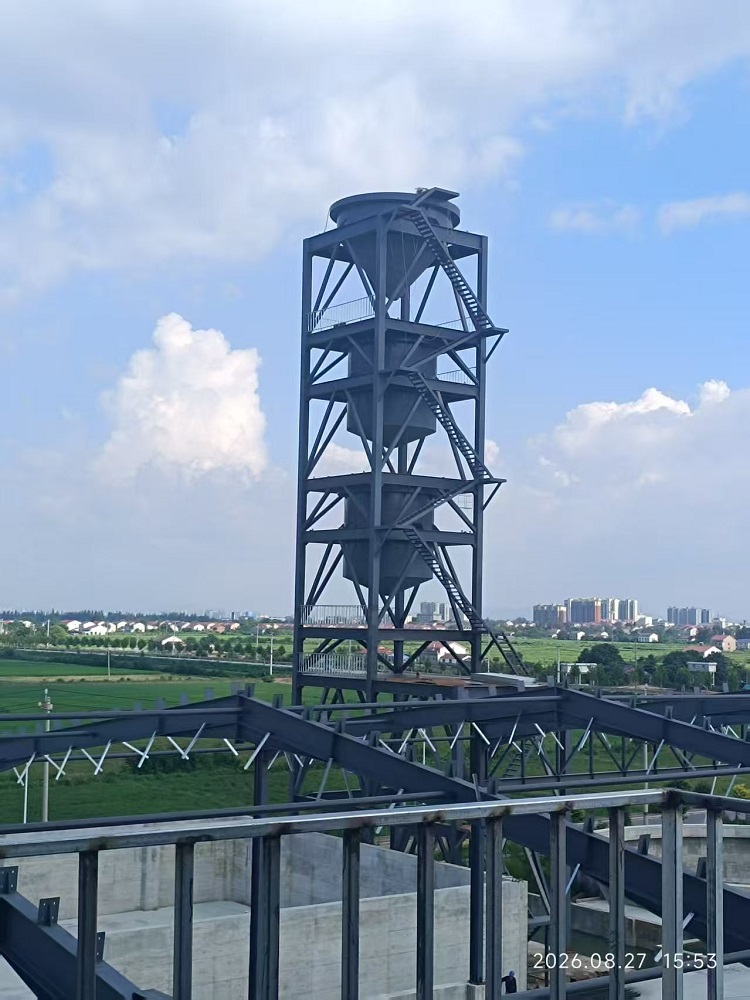
IX. Common Decision-Making Pitfalls
Non-representative ore samples. High-grade samples may show favorable indicators, but these cannot be achieved in actual production.
Commissioning equipment without first analyzing iron phases. Iron bound in silicates cannot be recovered by magnetic separation, no matter how strong the magnetic field; iron bound in sulfides must first be separated from sulfur via flotation.
Conducting only a single-point pilot test. Without a clear understanding of the parameter window, production fluctuations will lack direction.
Putting the production line into operation without conducting closed-circuit tests. The behavior of iron changes after the intermediate product is returned; what works in an open circuit does not necessarily work in a closed circuit.
Scaling-up tests are treated as a panacea. They address engineering scaling but do not resolve issues of ore processability.
The overall logic of using mineral processing test comparisons to inform decision-making is ignored. The output of each test category serves as the input for the next; if the sequence is wrong, the problems will remain even after spending money.
X. Decision-Making Checklist
Before conducting tests, confirm: Is the ore sample representative? Has the iron phase analysis been performed? Have the target concentrate iron content and application scenario been defined? Are the test budget and timeline sufficient? Who will interpret the test reports and coordinate equipment selection? Can the process structure be finalized during the testing phase?
If you cannot answer these questions, do not rush to submit samples. Comparative mineral processing test decisions must be made upfront so that the mechanical line design can be accurately tailored.