






Low-Iron Quartz Sand Production Line Solution: Turnkey Production Line for Iron-Reduction and Purification of Quartz Raw Materials for TFT-LCD Substrates
Guide to Implementing a Mechanical Production Line for Low-Iron Quartz Sand and Reducing Iron Content
The purification of quartz raw materials for TFT-LCD substrates hinges on two key factors: reducing iron content and maintaining consistent particle size. For a low-iron quartz sand production line solution to operate successfully—from raw sand to finished product—there are far more hurdles to overcome than many people realize.Centered on the theme of iron reduction and purification, this article breaks down the process logic, equipment configuration, key control points, and common issues of a turnkey production line, providing a practical reference for those currently working on projects involving quartz raw materials for TFT-LCD substrates.How should a low-iron quartz sand production line solution be designed, and how can iron reduction and purification be effectively implemented? We\'ll explore these topics step by step below.
What Specific Specifications Are Critical for Quartz Raw Materials Used in TFT-LCD Substrates?
TFT-LCD substrate glass serves as the “foundation” of display panels, and quartz raw materials play a crucial role in forming the glass network while ensuring high strain tolerance and a low coefficient of thermal expansion. The requirements for quartz raw materials used in TFT-LCD substrates focus on three key aspects.
Purity Is the Threshold
Fe₂O₃ content must typically be controlled at extremely low levels, and alkali metal oxides such as Na₂O and K₂O must also be strictly controlled, as they lower the glass\'s strain point. If iron content does not meet standards, problems will arise directly in the subsequent melting process—resulting in discoloration of the glass and reduced light transmittance, rendering the substrate unusable.
Particle Size Is Key
Finer is not necessarily better. If the particle size is too fine, bubbles and unmelted particles are likely to form during melting; if it is too coarse, the melting temperature must be raised, leading to increased energy consumption and furnace erosion.The particle size distribution must be narrow, concentrated within a range suitable for the furnace process. Quartz powder used for TFT-LCD substrate glass typically has specific range requirements for D50 and D90, with exact values determined by the furnace process and product specifications.
Batch Consistency Is Critical
If the iron content in a single batch of raw sand fluctuates—lower one day and higher the next—the glass factory must halt production to adjust parameters. Fluctuations between batches cause more headaches for downstream operations than the absolute values themselves. The success of iron reduction and purification ultimately depends on whether these fluctuations can be controlled.
These three indicators determine the design direction for mechanical processing lines for low-iron quartz sand—everything revolves around iron reduction, purification, and particle size control. Reducing iron content and purifying quartz raw materials for TFT-LCD substrates is not a single-point technical issue; it is a systems engineering challenge.
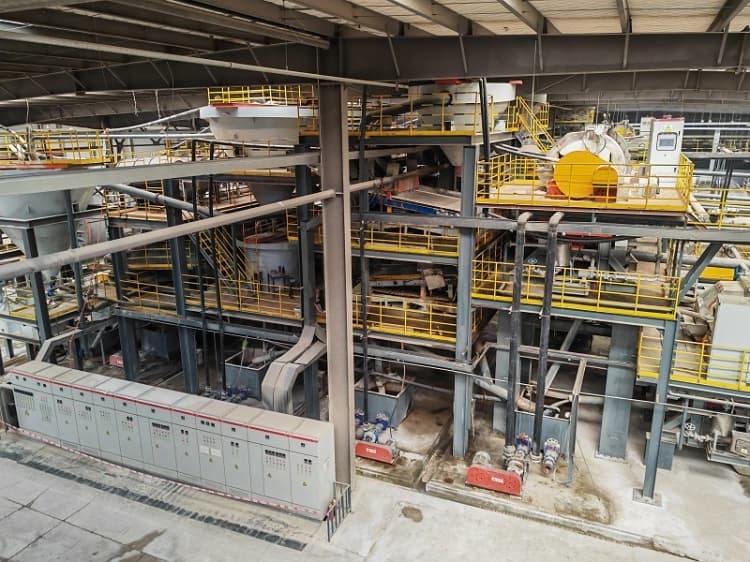
The Main Process Flow for Iron Reduction and Purification: Six Stages from Raw Sand to Finished Product
A turnkey production line for quartz raw materials used in TFT-LCD substrates is, at its core, a complete process organized around iron reduction and purification. The process is not lengthy, but each stage requires meticulous attention.
Raw Sand Pretreatment
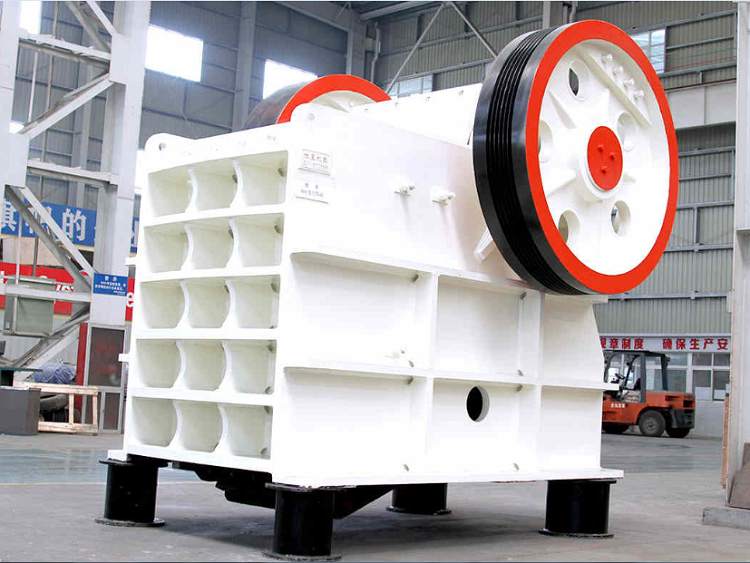
Upon arrival at the plant, raw sand is first screened to remove large particles and impurities. If the feedstock is sand ore, it typically undergoes scrubbing to remove clay and thin films of iron oxide from the particle surfaces.This step does not aim for deep purification; its purpose is to reduce the burden on subsequent iron-reduction and purification processes. The scrubbing concentration and duration must be tailored to the properties of the raw sand. For raw sand with particularly stubborn surface iron films, specialized scrubbing agents can be used during this stage to achieve a more consistent stripping effect than mechanical friction alone.
Grinding and Classification
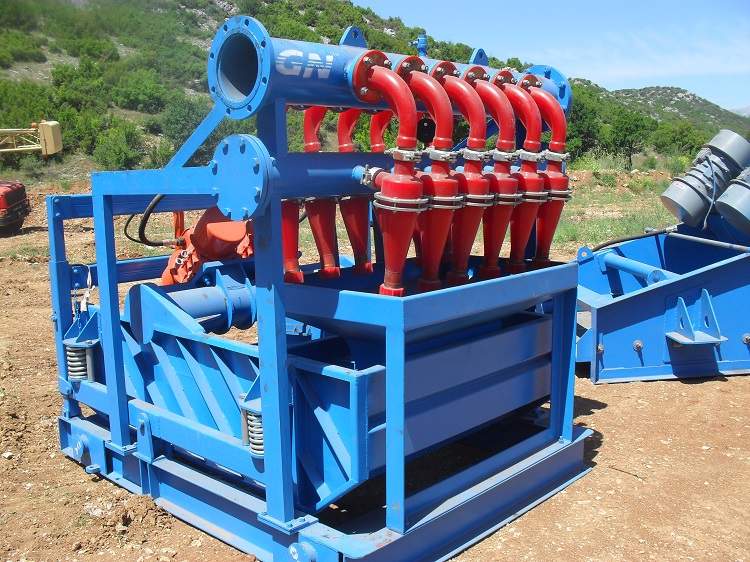
The purpose of grinding is not to produce a fine particle size, but to achieve “liberation” (separating quartz particles from individual iron minerals).Immediately after grinding, the material enters the classification equipment; particles within the target size range are sent onward, while those outside the range are returned for regrinding. Over-grinding is the greatest concern in this stage; an excess of fine silt exponentially increases the difficulty of subsequent iron reduction and purification. Matching the grinding concentration with the classification particle size is the aspect of this process that requires the most experience.
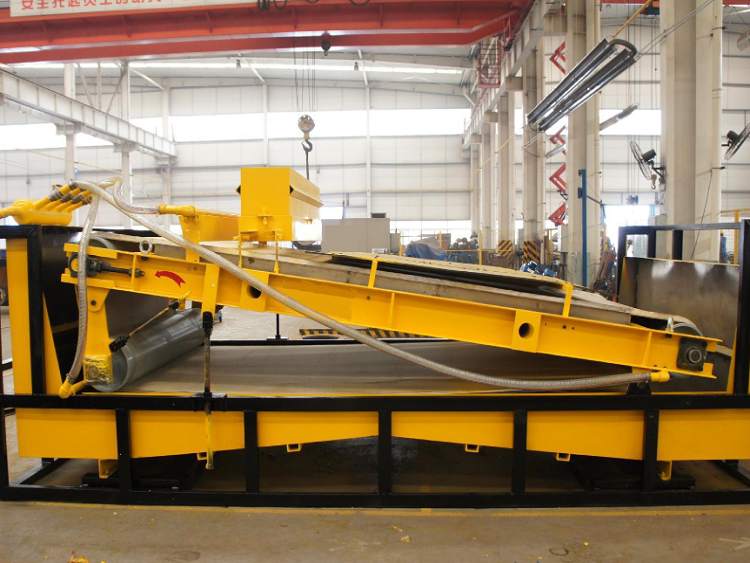
Magnetic Separation for Iron Removal
Magnetic separation is the primary process for iron reduction and purification. It is generally carried out in two stages: first, weak magnetic separation to remove mechanical iron, followed by strong magnetic separation to remove iron oxide and iron-bearing silicate minerals.A common engineering configuration involves using a flat-bed magnetic separator for roughing, followed by a vertical-ring high-gradient magnetic separator or an electromagnetic slurry separator for scavenging and concentrating, thereby forming a tiered iron removal process. The magnetic field strength for strong magnetic separation must be determined based on the occurrence state of iron in the raw ore; higher is not necessarily better.If the magnetic field strength is too high, non-iron minerals will also be recovered, which will actually reduce the yield and grade. The combination of the number of magnetic separation stages and the magnetic field strength directly determines the lowest level to which the final iron content can be reduced.
Flotation Separation: Depends on the Properties of the Raw Ore
If the iron minerals in the raw ore are finely disseminated and cannot be completely removed by magnetic separation, flotation must be employed. Acidic or neutral flotation is commonly used to separate quartz from feldspar and mica. The flotation reagent system varies by ore, and there is no one-size-fits-all formula.In regions with strict environmental regulations, a neutral flotation reagent system can serve as an alternative to acid leaching, reducing iron to the target range while alleviating the burden of waste acid disposal. Wastewater treatment for this step must be planned in advance; if environmental standards are not met, even the most effective iron reduction and purification efforts will be rendered ineffective.
Acid Leaching and Purification: High-Purity Applications
For products requiring extremely low iron content, acid leaching is virtually unavoidable. Oxalic acid, fluorosilicic acid, and mixed acid systems are all used, with mixed acids typically yielding better results than single acids. The three parameters of acid leaching—concentration, temperature, and duration—must be properly balanced. Excessively high temperatures accelerate equipment corrosion, while excessively low temperatures slow the reaction.Rinsing after acid leaching must be thorough, as residual acid ions can affect glass melting. The acid leaching system must be equipped with integrated processes for waste acid neutralization, precipitation, filter press processing, and negative-pressure absorption of fluoride-containing exhaust gases; without a complete set of environmental protection measures, the production line cannot operate stably.
Dehydration and Drying
The purified quartz sand undergoes dehydration and drying before being transferred to the finished product silo. The drying temperature should not be too high to prevent changes in the hydroxyl groups on the quartz surface. Before packaging the finished product, it is best to perform another iron removal step to eliminate iron contamination introduced during transportation.For products with strict particle size requirements, precision grading must be performed before iron removal to ensure that D50 and D90 fall within the target ranges. Although this step may seem simple, many plants neglect it, thereby undermining the results achieved in the preceding iron reduction and purification processes.
Core Equipment Configuration for a Low-Iron Quartz Sand Production Line
Equipment configuration is not about having more; the key lies in the compatibility between equipment. The following outlines the core equipment configuration for a typical production line of quartz raw materials used in TFT-LCD substrates.
| Process | Core Equipment | Key Control Points | Selection Criteria |
|---|---|---|---|
| Pre-treatment | Scrubber, Trommel Screen | Scrubbing concentration, screen mesh size | Determined based on the original sand\'s clay content and the types of impurities |
| Grinding and Classification | Ball mill, hydrocyclone | Grinding concentration, classification particle size | Aim for liberation; avoid overgrinding |
| Magnetic separation | Flat-bed magnetic separators, vertical-ring high-gradient magnetic separators | Background magnetic field strength, number of magnetic separation stages | Set the magnetic field strength based on the occurrence of iron; configure in a stepped arrangement |
| Flotation | Aerated mechanical agitation flotation cells, automatic reagent dosing systems | Air injection rate, reagent regimen | Reagent regimens must be determined through testing |
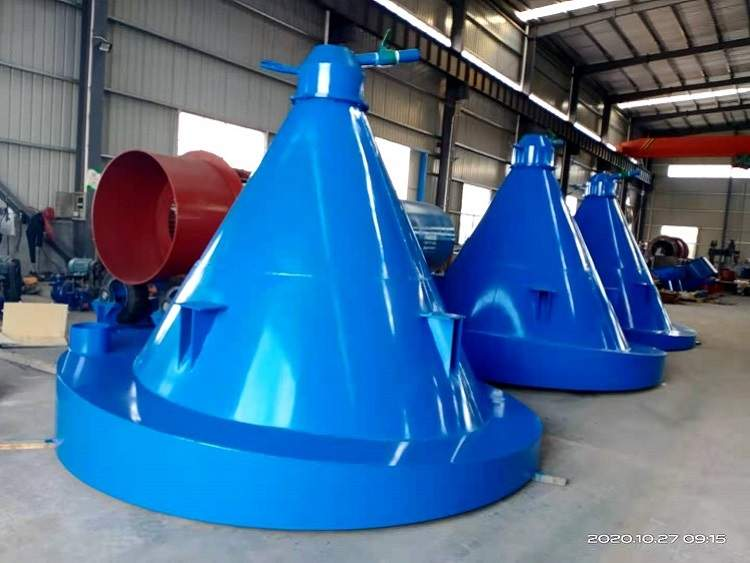
| Acid Leaching | Acid washing reactor, counter-current scrubber, waste acid neutralization system | Acid concentration, temperature, and time | Determine acid washing intensity based on target iron content |
| Graded Iron Removal | Precision grading equipment, iron removers | D50/D90, final-stage iron removal | Dual control of particle size and iron content |
| Dehydration and drying | Filter Presses, Dryers | Moisture, drying temperature | Temperature control to preserve the surface properties of quartz |
This configuration offers considerable flexibility in production capacity. Small-scale production lines can process raw sand starting at several dozen metric tons per day, while medium-scale lines can handle over 100 metric tons per day. The specific line size depends on the supply of raw sand and the target procurement volume.When designing the production capacity for a low-iron quartz sand processing line, it is better to allow for some margin based on actual demand rather than blindly aiming for maximum capacity.
What Determines the Level of Iron Reduction and Purification?
Many project owners ask right off the bat: “How low can this line reduce the iron content?” There is no standard answer to this question, as the upper limit for iron reduction and purification is determined by the raw sand itself.
The form in which iron is present in the raw sand is the primary factor determining the difficulty of iron reduction and purification. If iron exists as independent iron oxide minerals, magnetic separation combined with acid leaching is sufficient;if iron exists as a solid-solution substitute for silicon in the quartz lattice (a phenomenon where impurity atoms replace certain atoms in the crystal without altering the crystal structure), acid leaching or even more complex methods are required, causing costs to multiply. There is an ironclad rule in mineral processing: the process can only approach the limits permitted by the properties of the raw ore; it cannot exceed them.Based on their occurrence, they can be roughly divided into three categories: surface iron films and clay-like materials, which are primarily treated with scrubbing and magnetic separation; weakly magnetic associated minerals, which require high-gradient strong magnetic separation followed by flotation; and lattice impurities and fine inclusions, which necessitate enhanced roasting and deep acid leaching.
Key Concerns for Project Owners
Is acid washing absolutely necessary for quartz raw materials used in TFT-LCD substrates?
What is the approximate investment range for a mechanical processing line for low-iron quartz sand?
Once the production line is completed, how long will it take to achieve stable product quality?
Is wastewater treatment a mandatory requirement?
Given the generally average grade of the raw ore, is it worthwhile to pursue the TFT-LCD substrate market?
What types of projects is this line suitable for?
This turnkey production line for TFT-LCD substrate-grade quartz raw materials is not suitable for all quartz sand projects. It is particularly well-suited for the following scenarios:
High Suitability
- Stable supply of raw quartz sand with sufficient potential for iron removal
- The target product is quartz raw material for TFT-LCD substrate glass or sand for high-end glass products
- Possesses the necessary environmental protection infrastructure, particularly the capacity to treat acid washing wastewater and fluorine-containing exhaust gases
- Patience to conduct raw sand testing and process optimization, without rushing for quick results
In terms of project types, the three categories—end-user glass manufacturers establishing their own raw material supply chains, mining companies monetizing their resources, and technical upgrades at existing silica sand plants—are relatively better suited for this production line.
Caution is required
- Although the iron content in the raw sand is already very low, its particle size distribution is extremely poor, resulting in purification costs that exceed the product\'s premium
- The source of raw sand is unstable and relies on piecemeal purchases from external suppliers
- Environmental compliance requirements are not met, making it impossible to install an acid washing system
- Lack of preparedness for the downstream certification process
Implementation of a Turnkey Production Line
The value of a low-iron quartz sand mechanized production line solution ultimately lies in its feasibility. The scope of a turnkey project typically includes: mineral processing tests, process design, engineering drawings, manufacturing of core equipment, specialized chemicals, installation guidance, integrated commissioning, and personnel training—all handled by the technical provider;while civil construction, the organization of general installation workers, on-site site preparation (water, electricity, and access roads), and local compliance procedures are organized locally by the project owner. This division of labor ensures that the process and equipment are fully supported while keeping labor costs down.
There is no mandatory bundling of services. We can provide only raw ore testing, only process design and engineering drawings, only the procurement of core equipment or specialized chemicals, or send engineers to the site for installation guidance and commissioning; we also undertake full turnkey projects for the entire line.Upfront payments for mineral processing test fees and design fees can be fully offset against the equipment cost when a subsequent equipment or EPC contract is signed.
If you have samples of raw quartz sand and plan to reduce iron content and purify the quartz for use as TFT-LCD substrate material, you can send samples for testing first. Upon completion of the tests, we will provide a proposal report detailing the process flow, equipment configuration, investment estimates, and operating costs to aid in project decision-making.How to select a mechanical processing line solution for low-iron quartz sand and how to perform iron reduction and purification—start with raw sand testing and let the data speak for itself.